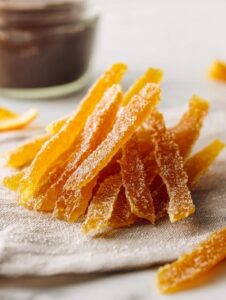
Let Me Tell You About My Relationship With Candied Orange Peel
Okay, I’ll admit it: the first time I tried to make candied orange peel, I nearly glued a saucepan to the stove. Turns out, sugar boils faster than I’d convinced myself it would. But I kept at it because honestly, nothing reminds me of my granny’s kitchen at Christmas quite like the smell of oranges bubbling away in syrup. My cousins would sneak into the kitchen, trying to pinch pieces as soon as they were cool enough to nibble (and occasionally before—cue burnt tongues and scolding, whoops).

There’s something a little bit magical about taking something as ordinary as an orange and turning the peels—stuff most folks toss—into chewy, glittery, bonafide candy. And the best bit? You get to eat your mistakes, which, frankly, is my kind of cooking.
Why I Keep Making This (Even When I Burn My Fingers)
I make this when I want my kitchen to smell like fancy bake shops. My family absolutely loses the run of themselves for it, especially when I dunk half the peels in chocolate (yes, as you should). And honestly, it’s become this silly tradition to see who can cut the peel the thinnest—my brother cheats and uses a ruler, like he’s building a spaceship, not dessert.
Even my grumpy neighbor gets excited if I hand her a bag at Christmas. Actually, I started doubling the recipe because the first batch never survives till the next day. Sure, the peeling gets old, and you will splash syrup at some point, but wow, it’s worth it when you pop that first sweet, tangy strip in your mouth.
What You’ll Need (and What I Use When I’m Out of Patience)
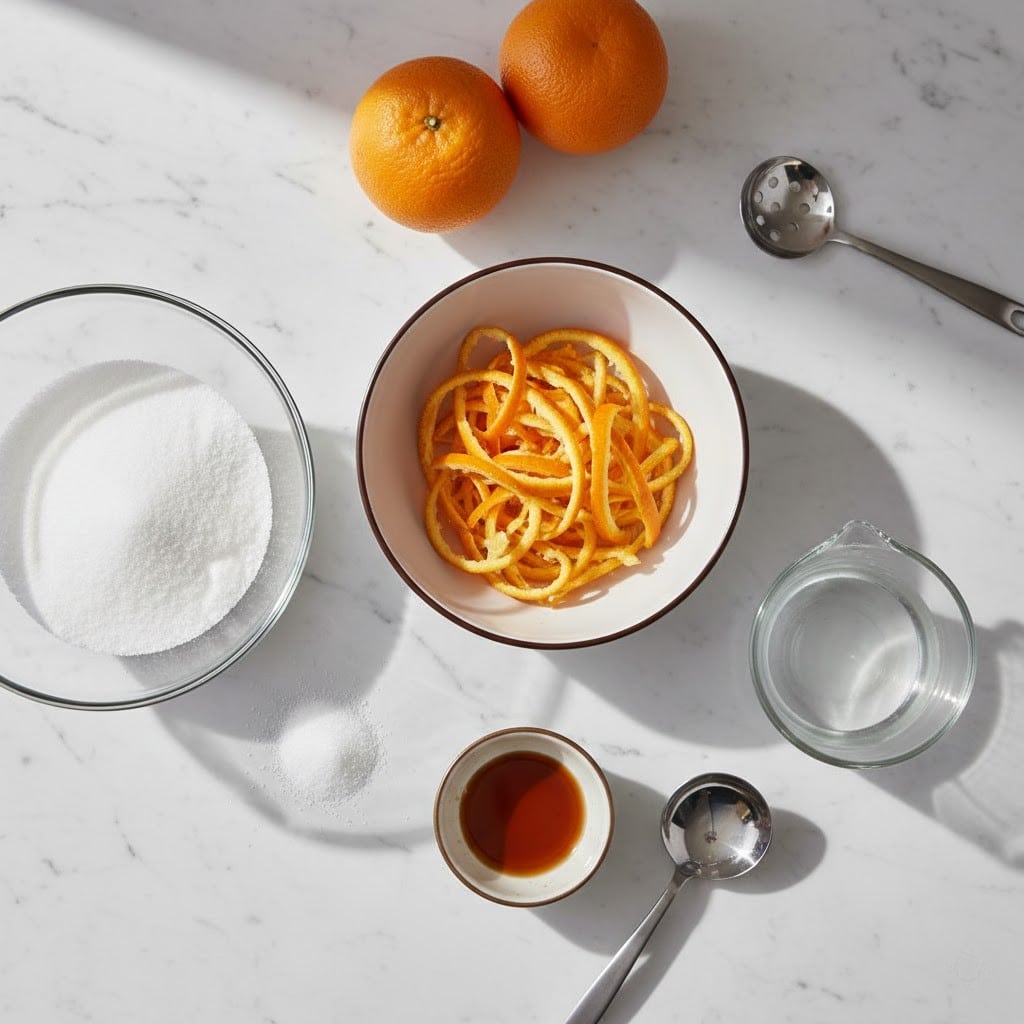
- 4 navel oranges (or blood oranges, if you fancy them — my cousin swears by mandarins, but eh, any orange works in a pinch)
- 2 cups granulated sugar (plus an extra half-cup for tossing, though I sometimes just eyeball it. If you’ve only got caster sugar, that’ll do.)
- 1 cup water (tap water is fine here — I tried filtered once; no difference)
- Optional: a splash of vanilla extract (maybe a half-teaspoon, if you want something extra cozy), or a couple whole cloves for a Christmassy flavor
- Pinch of salt (my mum insists on this; I forget it half the time and haven’t noticed much difference, but it sounds proper)
- 100g dark chocolate, for dipping (if you’re feeling fancy, or just trying to impress)
Here’s How I Do It (Wobbles and All)
- Start by slicing the tops and bottoms off your oranges so you can set them down flat. Take a good knife and cut down the sides, following the curve, to remove the peel in big chunks. Try to keep the white pith attached—it gets soft and sweet (trust me, it’s not as gross as it looks guess what, it’s delicious once candied!).
- Then, cut the peel into thin strips—aim for about 1/4 inch wide, but honestly, no one’s measuring. If you want little confetti-sized pieces for baking later, chop smaller.
- Toss the strips into a saucepan, cover with water, and bring to the boil. Let them bubble for 2 minutes. Drain off the water and repeat this two more times. This blanches out the bitterness; don’t skip it unless you love chewing on pithy sadness. (I rushed once —… regretted it!)
- Now, in a clean saucepan: stir together 1 cup water and 2 cups sugar over medium heat. Let it simmer until the sugar dissolves. Toss in your orange strips, plus your pinch of salt, vanilla, or cloves if you’re using them.
- Let the peels cook gently, uncovered, for 45–60 minutes. Stir every so often (and keep a weather eye — this is where I usually get distracted and the syrup wants to boil over!). They’ll go translucent and squishy. If you sneak a taste now, blow on it first… hot sugar is fierce. Don’t worry if it looks weird; it always does at this point.
- Fish out the peels (tongs, a fork, whatever you reach first) and lay them in a single layer on a wire rack or a parchment-lined tray. Don’t crowd them or they’ll glue themselves together like school glue. Let them dry for at least 6 hours or overnight. (Yeah, patience. Not my strong suit either.)
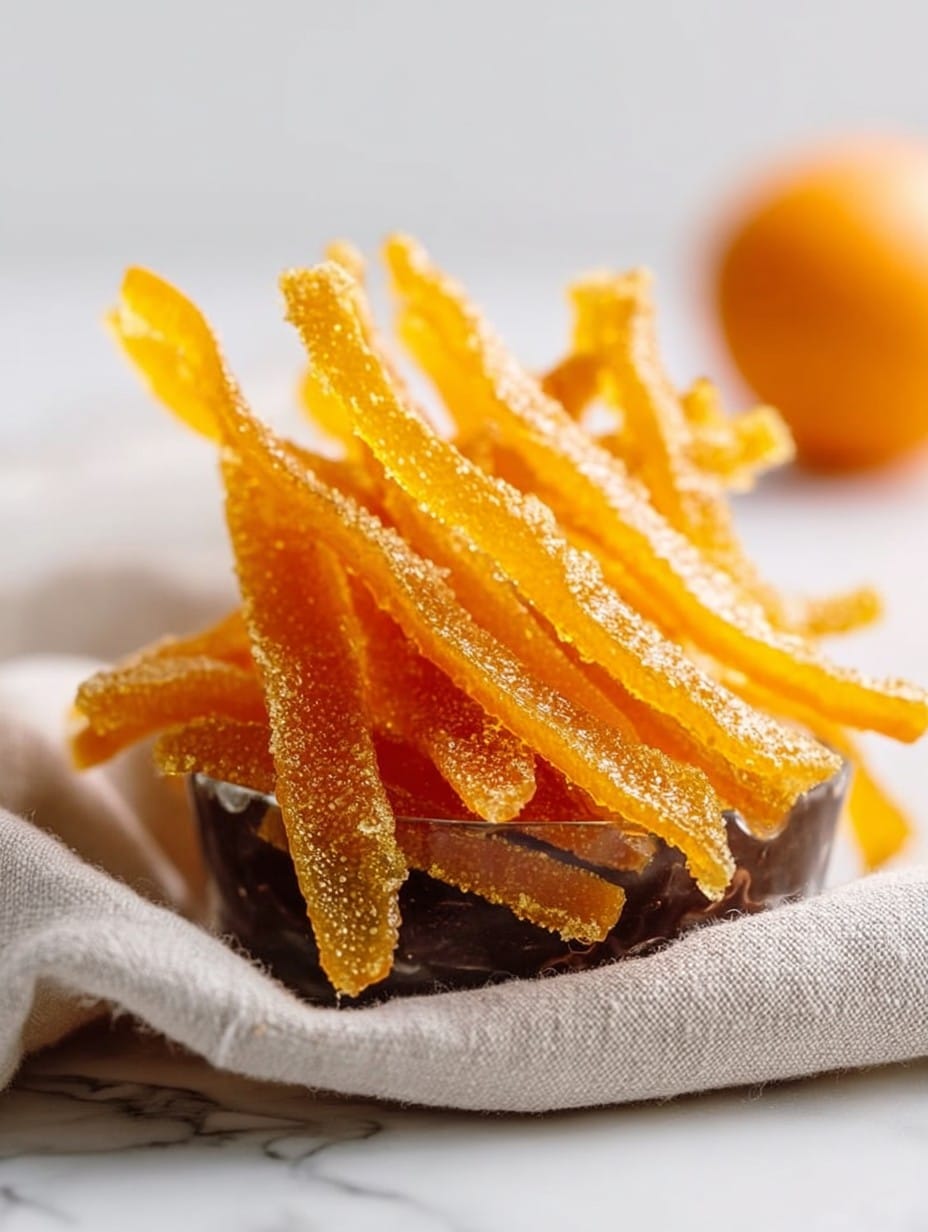
- When they’re tacky but not wet, toss the strips in extra sugar. Shake off the excess. Now—if you want to dip in chocolate—melt the chocolate gently and dunk away, then set them back on your parchment till the chocolate sets.
Things I’ve Learned the Hard (and Sometimes Sticky) Way
- If your syrup looks like it’s turning brown, quick, off the heat! It’ll get bitter, and not the good kind.
- The thinner you slice, the prettier, but thick ones are juicier. Pick your poison.
- Sometimes I forget the salt and no one notices, so don’t panic.
- Run short on peels? Toss in some lemon or grapefruit strips. Mixed citrus is a delight—my accidental discovery after a juice mishap.
Variations That Worked (and One That Didn’t, Oops)
- I once swapped vanilla for a few drops of orange blossom water. Gorgeous. But, erm, a drizzle too much and it tasted like potpourri. Slower hand next time.
- Lime peels? Surprisingly brilliant. They come out extra zingy.
- Tried it with honey instead of sugar syrup. Not my best move—came out sticky as old taffy and just didn’t set right.
You Don’t Need Fancy Tools (But They’re Nice to Have)
- Wire rack for drying—if you don’t have one (like, where do they go in the cupboard?), just use parchment on a tray. Works fine.
- A decent saucepan—go heavier if you can, but my old aluminum pot still gets the job done, scorch marks and all.
- A slotted spoon or basic tongs. Or…clean fingers, as long as you’re not afraid of a little heat.
Keeping Your Candied Orange Peel (If You Actually Have Leftovers)
So, technically, you can keep these in an airtight jar for up to 2 weeks. Just toss in a sachet of rice or a sugar cube to keep things dry if it’s humid where you are. But—honestly? They’ve never lasted that long here. My nephew has radar for hidden treats, and I find empty jars tucked everywhere come Boxing Day.
Serving Them Up (My Preferences)
- I love them as a little extra with coffee after dinner.
- My mum likes sneaking them into fruitcake. (Sometimes with a wink.)
- They look smashing chopped over yogurt, and if you fancy, stir them into scone dough once you’re feeling posh.
If I Could Go Back and Tell Myself These Things…
- Don’t try to rush the drying; if you bag them up too soon, you just get orange goo. Trust me on this one. Not cute.
- If you think “oh, I don’t need to blanch, I like bitter” — you probably actually don’t like that much bitter. Just do the extra boils.
You Ask, I Attempt to Answer
- Can I do this with other citrus?
Yep, totally. Grapefruit is ace (bigger strips!), lemons are sharp but lovely, and even limes work. Mix ‘em up for a sweet and tangy chew. - Do I have to dry them overnight?
Well, no, but if you don’t let them dry enough, the sugar will just soak in and you get a sticky mess. So, give it at least a few hours. I once ate some sticky ones. Wouldn’t recommend it (though I still finished the batch… waste not, want not!) - Can I freeze candied peel?
Actually, you can. But I think they lose a bit of their texture. Try it if you’re making a huge batch, but for me, they’re better just kept in a jar on the counter. - What if the syrup turns hard in the pan?
Aw mate, I’ve done that! Just add a splash of water and stir over low heat, it should loosen up. Don’t scrape the hard stuff, though, or you might scratch your pan. (Voice of experience… my old saucepan still holds a grudge.)
And, since you read this far—a quick tip: if you’ve got extra syrup leftover, drizzle it on pancakes or ice cream. Sometimes my best ideas come by accident. Go on, try it.
Ingredients
- 4 navel oranges (or blood oranges, mandarins, or any orange you like)
- 2 cups granulated sugar (plus an extra half-cup for tossing, or caster sugar as substitute)
- 1 cup water
- Optional: 1/2 teaspoon vanilla extract or 2 whole cloves
- Pinch of salt
- 100g dark chocolate, for dipping (optional)
Instructions
-
1Start by slicing the tops and bottoms off your oranges so you can set them down flat. Take a good knife and cut down the sides, following the curve, to remove the peel in big chunks. Try to keep the white pith attached—it gets soft and sweet.
-
2Then, cut the peel into thin strips—aim for about 1/4 inch wide, but honestly, no one’s measuring. If you want little confetti-sized pieces for baking later, chop smaller.
-
3Toss the strips into a saucepan, cover with water, and bring to the boil. Let them bubble for 2 minutes. Drain off the water and repeat this two more times. This blanches out the bitterness.
-
4Now, in a clean saucepan: stir together 1 cup water and 2 cups sugar over medium heat. Let it simmer until the sugar dissolves. Toss in your orange strips, plus your pinch of salt, vanilla, or cloves if you’re using them.
-
5Let the peels cook gently, uncovered, for 45–60 minutes. Stir every so often. They’ll go translucent and squishy. Don’t worry if it looks weird; it always does at this point.
-
6Fish out the peels and lay them in a single layer on a wire rack or a parchment-lined tray. Don’t crowd them. Let them dry for at least 6 hours or overnight.
-
7When they’re tacky but not wet, toss the strips in extra sugar. Shake off the excess. If you want to dip in chocolate, melt the chocolate gently and dunk away, then set them back on your parchment till the chocolate sets.
Approximate Information for One Serving
Nutrition Disclaimers
Number of total servings shown is approximate. Actual number of servings will depend on your preferred portion sizes.
Nutritional values shown are general guidelines and reflect information for 1 serving using the ingredients listed, not including any optional ingredients. Actual macros may vary slightly depending on specific brands and types of ingredients used.
To determine the weight of one serving, prepare the recipe as instructed. Weigh the finished recipe, then divide the weight of the finished recipe (not including the weight of the container the food is in) by the desired number of servings. Result will be the weight of one serving.
Did you make this recipe?
Please consider Pinning it!