Making Cheesecake for Dogs? You Bet!
Okay, picture this—it’s Sunday, the dog’s eyeballing your plate like you’re a magician pulling treats form thin air, and suddenly I remember that one time my neighbor baked a pupcake with bacon (seriously, bacon). That set me on the road to making this cheesecake recipe just for dogs, and let me tell you, my mutt, Finn, practically dances when he smells it. Anyway, dogs can’t have real-deal cheesecake obviously, so I had to get a little bit creative. Oh, and don’t worry—no sugar crashes or tummy rumbles here, just pure tail-wagging delight.

Why You’ll Want to Try This (and When I Make It)
I whip this up whenever Finn’s got that “it’s my birthday and I demand decadence” look (which is, to be honest, most weekends). Seriously—he’s fussy and turns his snout up at half the store-bought snacks, but this cheesecake? He’ll do sit, paw, lie down, and throw in a surprise spin. Sometimes I use this for pup playdates or as a reward after bath time (nothing says forgiveness like homemade treats). I have tried getting all fancy with the decoration, but honestly, Finn would eat it right from the bowl if I let him.
What You’ll Need (and a Few Lazy Swaps)
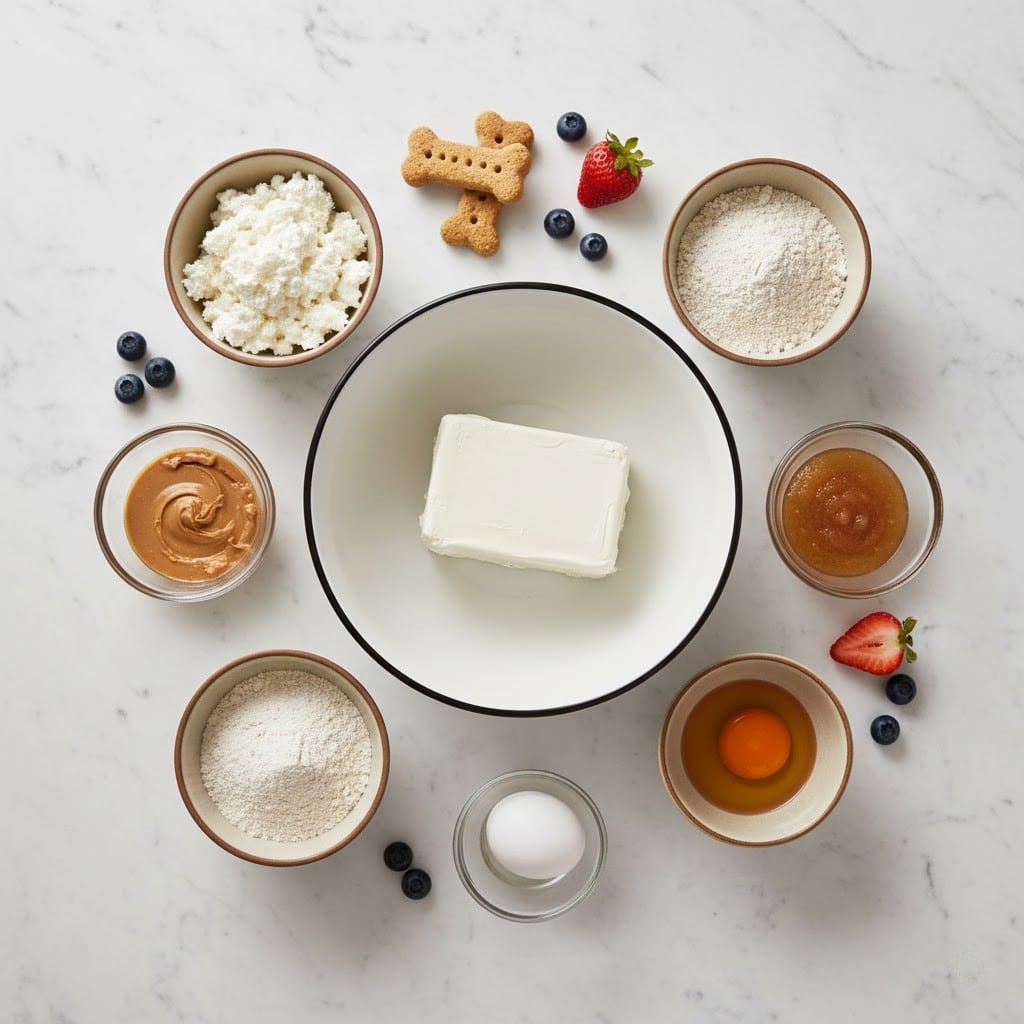
- 1 cup low-fat plain Greek yogurt (or honestly, any plain yogurt without added sugar is fine—I’ve even used kefir in a pinch)
- 1/2 cup low-fat cottage cheese (my gran claimed cottage cheese is the secret to smooth texture, but I don’t always listen)
- 2 large eggs
- 1 tablespoon honey (totally optional, and if your dog’s ultra-sensitive, just skip)
- 1/4 cup oat flour (sometimes I use regular rolled oats blitzed in the blender, and it works just as well)
- 1/2 teaspoon pure vanilla extract (some folks skip it, but I like how it smells—just don’t overdo)
- 1/2 cup unsweetened applesauce (I’ve also tried mashed banana when the applesauce ran out; works, but it’s a bit more…unruly?)
- 2 tablespoons peanut butter (make sure it’s xylitol-free—most major brands here in the UK are fine, but do double-check)
How I Make It (Realistic Directions!)
- Preheat your oven to 350℉ (175℃). I always forget this until I’m nearly done mixing, so if you remember on the first go, hats off to you.
- Grease a 6-inch springform pan or a couple of ramekins (I once used a loaf pan, and it was, let’s say… abstractly shaped).
- Toss all your ingredients—yogurt, cottage cheese, eggs, honey, oat flour, vanilla, applesauce, and peanut butter—into a blender or food processor. A good blitz until smooth. If you’re using a stick blender, brace yourself for a mess. Actually, sometimes I just mash it with a fork and call it “rustic” when I’m not in a fancy mood.
- Pour the mixture into your pan. Give it a little tap on the counter (I pretend it helps with air bubbles, does it really? Who knows.)
- Bake for about 30-40 minutes, or until the center doesn’t wobble like a jelly. If it jiggles a little, that’s okay – it’ll set as it cools. But don’t poke it too much, or you’ll have cheesecake with a crater (voice of experience).
- Let it cool in the pan. This is the hardest part—I once tried to rush it, and let’s just say Finn’s slice was more like cheesecake mush. Pop it in the fridge for two hours, if you’ve got the patience.
- Release from the pan, cut into dog-appropriate slices, and watch the chaos. Clean-up? I just let Finn lick the bowl. Good as done.
Notes from My Very Honest Kitchen
- Too runny? Add a bit more oat flour. Too thick? Splash in more yogurt.
- If a bit browns on top, that’s fine—dogs don’t care about golden perfection.
- This isn’t meant for humans but—um—I may have tried a bite. It’s kind of plain but not bad?
Fun Variations I’ve Dabbled With
- Used mashed pumpkin instead of applesauce. Finn loved it, but my kitchen smelled like Thanksgiving.
- Sneaked in some grated carrot. That one was solid, though the orange tinge surprised me.
- Once added blueberries—honestly, it went a bit runny. Wouldn’t recommend unless you reduce the liquid somewhere else.
What You Need—But Honestly, Improv Works
- Mixing bowl (or if you’re lazy like me, you can mash it right in the pan—messy, but whatever)
- Blender/food processor is handy but not essential, just makes it less lumpy
- 6-inch springform pan (or just whatever you have—ramekins, loaf pan, even muffin tins in a pinch)
How to Store This (If It Even Sticks Around…)
Wrap leftovers in clingfilm and keep in the fridge for up to three days. Although, Finn’s personal record is demolishing half the cake in one afternoon (don’t ask—it’s not a proud moment). Freezes decently too; just let it thaw in the fridge overnight. But honestly, it barely survives the day here.
How I Serve It (and a Silly Family Tradition)
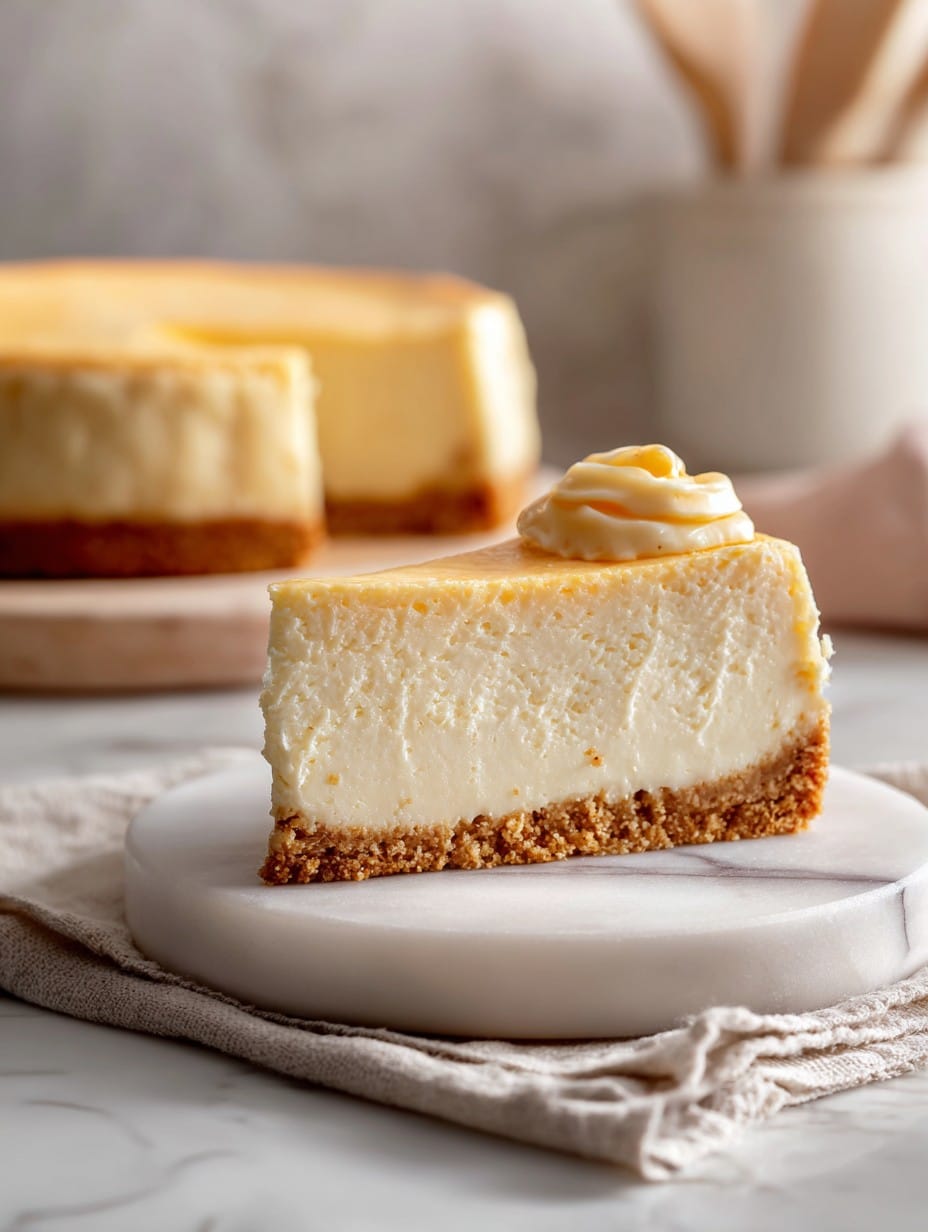
I usually give Finn a neat little wedge—sometimes with a single dog biscuit stuck on top so it looks proper festive. And once a year on his adoption day, I sing a made-up birthday song, which probably mortifies my neighbors. You might want to crumble over a bit of freeze-dried liver if your pup’s a fan of the weird stuff.
Things I’ve Learned the Hard Way
- Don’t skip greasing the pan. Cheesecake, both dog and human, is a stickler for that.
- If you rush the cooling, it’ll fall apart. I learned that when impatience got the better of me (and Finn didn’t care, but I did!)
- Check your peanut butter label every single time. Xylitol sneaks in sneakier than a dog with a stolen sock.
Frequently Barked Questions (Honestly, I Get These)
- Can I use regular flour instead of oat flour? Probably, but I stick with oats because they’re gentler on most dog bellies.
- Is human cheesecake safe for dogs? Sorry, mate—between sugar and cream cheese, it’s not the best move for your pup.
- Can I freeze this cheesecake? You absolutely can! Actually, frozen mini slices make good summer treats.
- What if my dog hates peanut butter? That’s rare, but you could try sunflower seed butter or just leave it out.
- How often can I serve this? It’s a treat, so—occasional celebrations, not every Tuesday. Moderation’s the name of the game.
- Can I eat this? Well. It won’t win the Bake-Off, but yes, technically—just don’t expect a flavor explosion.
And that’s my take on cheesecake for dogs—imperfect, full of love, and definitely a tail-wagger. If you give it a go, let me know how it turns out, and if your dog turns up their nose, well—that’s just showbiz, baby.
By the way, one time I dropped an entire cake upside down as I took it out of the fridge. Finn thought it was party time; I just called it rustic style and joined him on the floor (five-second rule, right?).
Ingredients
- 1 cup low-fat plain Greek yogurt (or any plain yogurt without added sugar)
- 1/2 cup low-fat cottage cheese
- 2 large eggs
- 1 tablespoon honey (optional)
- 1/4 cup oat flour
- 1/2 teaspoon pure vanilla extract
- 1/2 cup unsweetened applesauce
- 2 tablespoons peanut butter (xylitol-free)
Instructions
-
1Preheat your oven to 350℉ (175℃). I always forget this until I’m nearly done mixing, so if you remember on the first go, hats off to you.
-
2Grease a 6-inch springform pan or a couple of ramekins (I once used a loaf pan, and it was, let’s say… abstractly shaped).
-
3Toss all your ingredients—yogurt, cottage cheese, eggs, honey, oat flour, vanilla, applesauce, and peanut butter—into a blender or food processor. A good blitz until smooth. If you’re using a stick blender, brace yourself for a mess. Actually, sometimes I just mash it with a fork and call it “rustic” when I’m not in a fancy mood.
-
4Pour the mixture into your pan. Give it a little tap on the counter (I pretend it helps with air bubbles, does it really? Who knows.)
-
5Bake for about 30-40 minutes, or until the center doesn’t wobble like a jelly. If it jiggles a little, that’s okay – it’ll set as it cools. But don’t poke it too much, or you’ll have cheesecake with a crater (voice of experience).
-
6Let it cool in the pan. This is the hardest part—I once tried to rush it, and let’s just say Finn’s slice was more like cheesecake mush. Pop it in the fridge for two hours, if you’ve got the patience.
-
7Release from the pan, cut into dog-appropriate slices, and watch the chaos. Clean-up? I just let Finn lick the bowl. Good as done.
Approximate Information for One Serving
Nutrition Disclaimers
Number of total servings shown is approximate. Actual number of servings will depend on your preferred portion sizes.
Nutritional values shown are general guidelines and reflect information for 1 serving using the ingredients listed, not including any optional ingredients. Actual macros may vary slightly depending on specific brands and types of ingredients used.
To determine the weight of one serving, prepare the recipe as instructed. Weigh the finished recipe, then divide the weight of the finished recipe (not including the weight of the container the food is in) by the desired number of servings. Result will be the weight of one serving.
Did you make this recipe?
Please consider Pinning it!