Let Me Tell You About My Relationship With Chicken Piccata
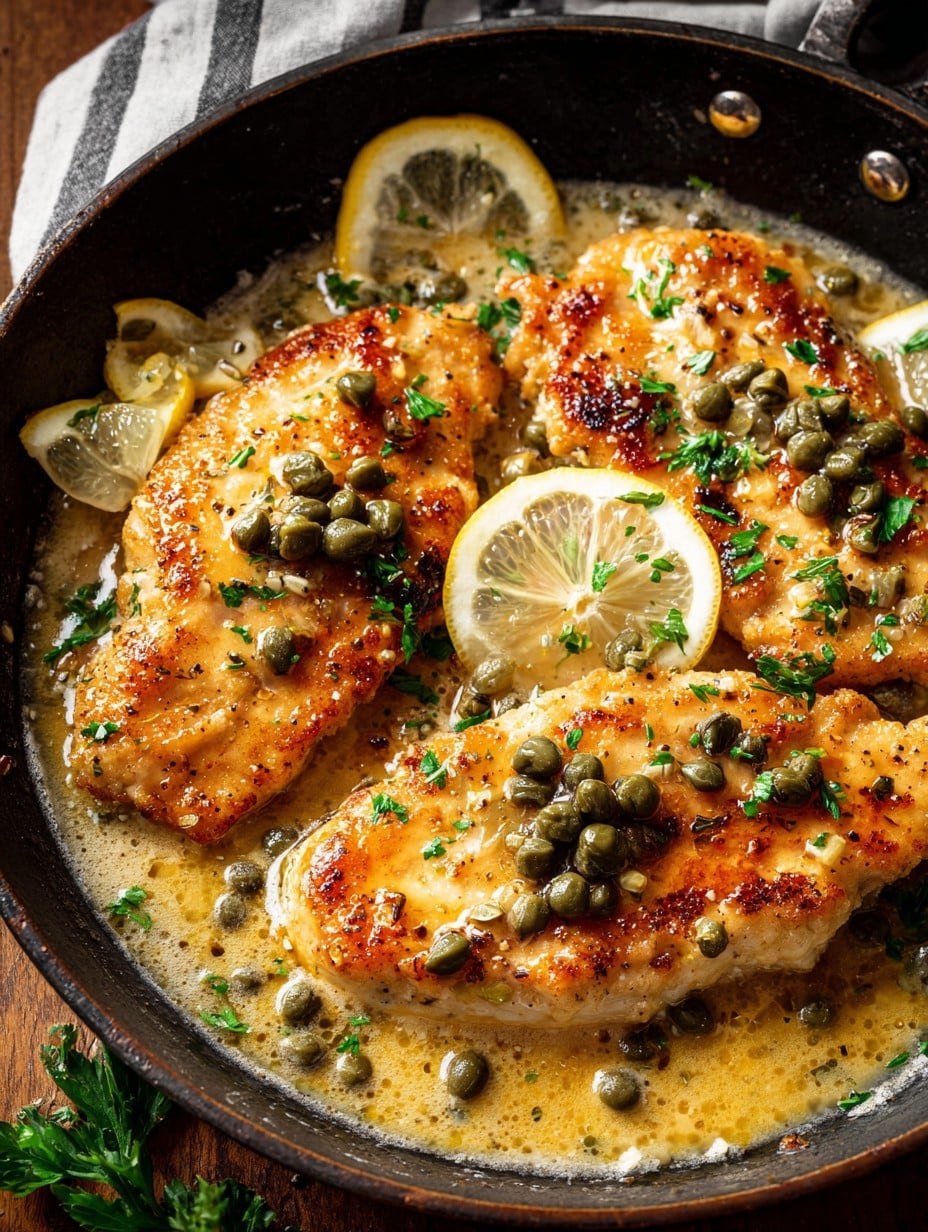
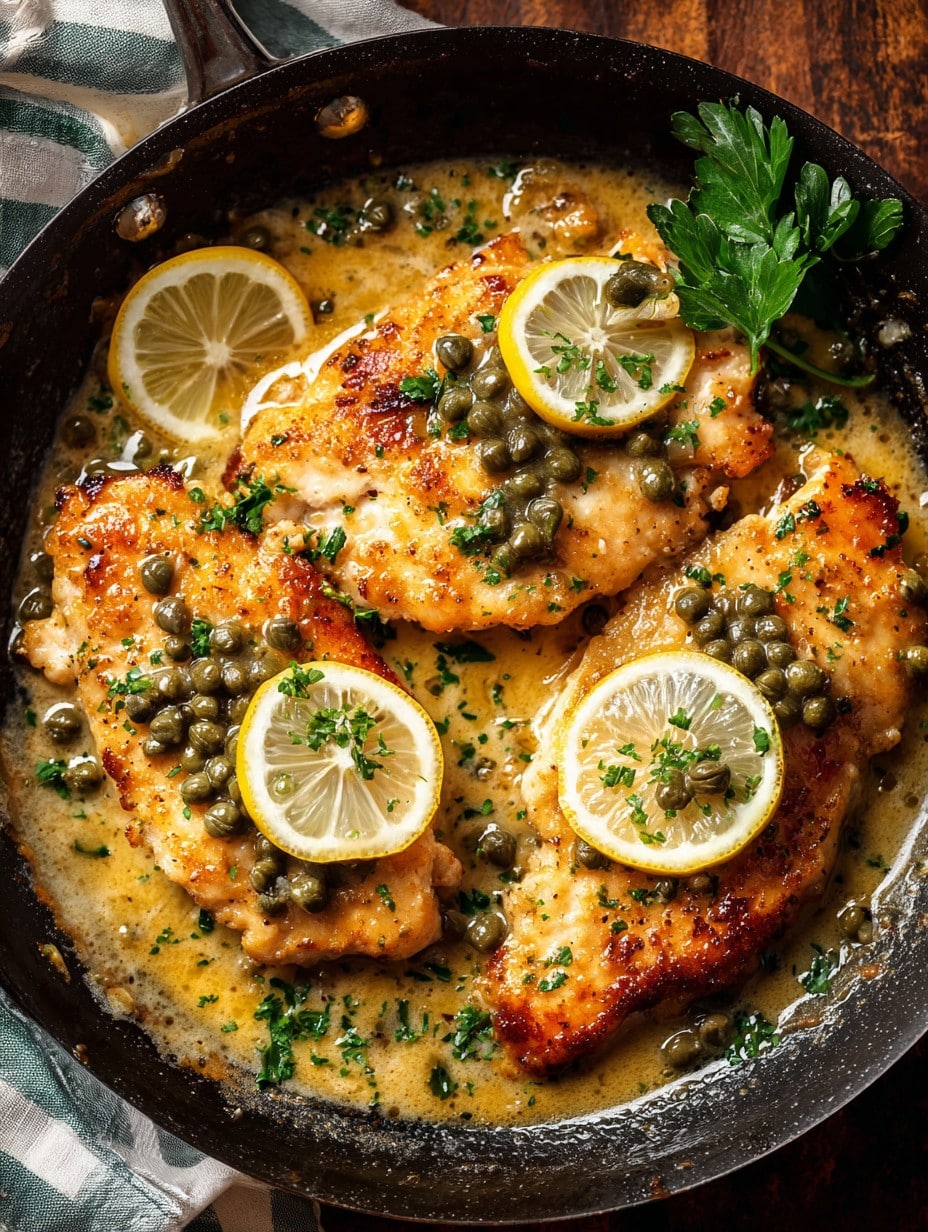
Alright, friend—if you haven’t made chicken piccata before, you’re in for a treat (and if you have, well, maybe you’ll pick up a trick or two—plus a laugh at my expense). The first time I tried making it, I didn’t have capers, so I threw in some green olives and, uh, let’s just say my husband still reminds me about that “briny surprise night.” Nowadays I always keep a sad little jar of capers in the fridge just for this dish. Chicken Piccata is bright and buttery, comes together faster than my family decides what movie to watch, and—bonus—it actually impresses people. Not bad for something that dirties only one pan if you play your cards right (and if you don’t, just soak the pans overnight—no shame in that game).
Why You’ll Love This (At Least, I Think You Will!)
I make this when I want dinner to feel a little special but also don’t want to mess around for hours—sometimes on Tuesday nights when I’m just not up for another pasta bake. My family goes crazy for this because it’s packed with flavor and kind of reminds everyone of something from a cozy Italian restaurant we can’t really afford. Oh, and honestly, I used to find the idea of dredging chicken in flour a bit of a pain (the mess! the sticky fingers!), but now it’s almost… soothing? Like a weird little ritual between me and the cutting board.
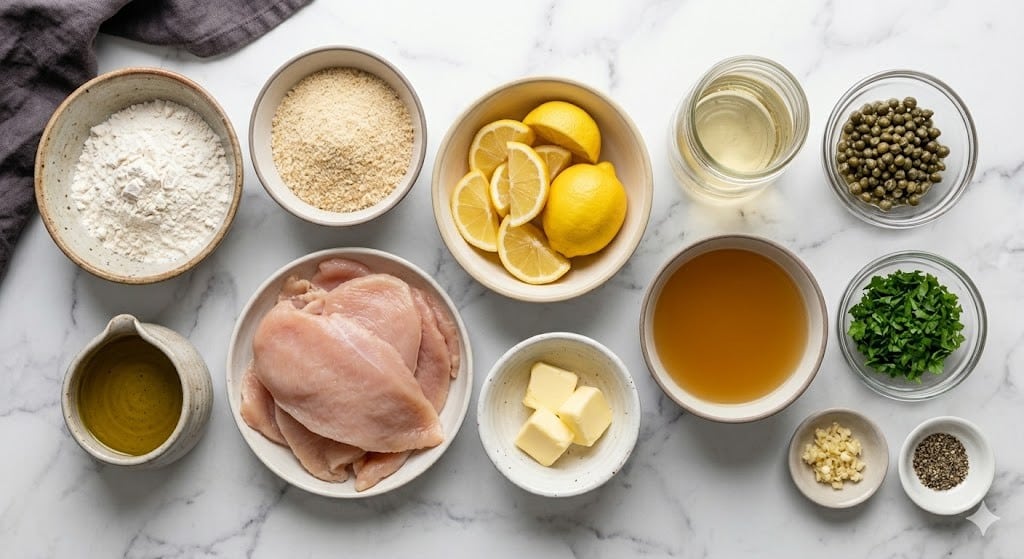
Chicken Piccata: What You Need (With My Usual Substitutions)
- 2 large boneless, skinless chicken breasts (I’ve used thighs when the store ran out—works fine, just a little juicier)
- Salt and pepper, to taste (I just eyeball it, honestly. But, say, 1/2 teaspoon each to start)
- 1/2 cup all-purpose flour (sometimes I go rogue and use cornstarch if I’m out of flour—makes it extra crispy!)
- 2–3 tablespoons olive oil (any mild oil works, but my grandmother swore by Bertolli’s—take that as you will)
- 3 tablespoons unsalted butter, divided (I don’t always measure. Let your heart—or cholesterol—be your guide)
- 3 garlic cloves, minced (jarred garlic in a pinch, but you’ll miss that zing)
- 1/2 cup dry white wine (I’ll confess, I sometimes just use chicken broth and splash a bit of lemon juice in if I’m feeling thrifty)
- 1/2 cup chicken broth (low-sodium, unless you like things salty or just forgot)
- 5 tablespoons fresh lemon juice (about 2 lemons—bottled works, but it’s not quite the same)
- 2–3 tablespoons capers, rinsed and drained (if you hate capers, try chopped green olives—but no promises)
- Chopped fresh parsley, for garnish (sometimes I skip it if my bunch looks sad in the crisper)
- Lemon slices, for serving (optional, but they make it look fancy)
Here’s How I Make Chicken Piccata (Don’t Overthink It)
- First, slice those chicken breasts in half horizontally to make 4 cutlets. If they’re thick, bash them a bit between plastic wrap with a rolling pin. The thinner, the quicker they cook; don’t worry too much about perfect thickness—I never do.
- Season both sides with salt and pepper. Like, generously, but not “I want a heart attack” levels.
- Pour the flour into a shallow bowl or plate. Dredge each chicken piece, shake off the extra. This always gets flour everywhere, but hey, it’s part of the deal.
- Heat 2 tablespoons of the olive oil and 1 tablespoon butter in a big skillet over medium-high heat. Once it’s shimmering (not smoking), lay the chicken in—don’t crowd them or they’ll just steam and get, well, sad.
- Cook each side for about 3 minutes, until golden brown—it might take a little longer, but if you peek too soon and it sticks, give it another minute. Transfer to a plate once golden and cooked through (don’t stress, you can put it back in later if you underdo it; I’ve done that loads of times).
- If the pan’s dry, splash in another tablespoon of oil. Toss in the garlic, give it about 30 seconds until it smells great (don’t burn it—or do, and pretend it’s caramelized!).
- Pour in the wine and broth. Bring to a simmer. This is where I usually sneak a taste and wonder if I’ve overdone it on the acid, but it always sorts itself out.
- Add lemon juice and capers. Simmer for about 2–3 minutes, scraping up those brown bits (the good stuff!).
- Stir in the rest of the butter (so decadent but, oh well). Let the sauce thicken a little, about a minute. Taste for salt and lemon—add more if you like it punchy.
- Return the chicken (plus any juices that’ve collected on the plate) to the pan. Simmer together for 2 minutes so the flavors make friends.
- Scatter with chopped parsley and lemon slices, if you’re feeling extra.
Notes: Stuff I Figured Out By Accident
- If your sauce feels too sharp, swirl in more butter or a splash of cream. It mellows out the lemon in a nice way.
- Sometimes the chicken sticks. Just scrape it gently and move on. Nobody notices at the table.
- I’ve made this with turkey breast once when I was desperate, and it’s honestly good (a bit like Christmas dinner, but lemony).
Things I’ve Tried (Some Worked, Some…Not So Much)
- I swapped out the capers for chopped pickles once. My kid loved it, my spouse thinks I should never mention it again. You decide.
- Tried adding spinach to the sauce—looked impressive but tasted a bit muddy. Wouldn’t bother unless you HAVE to eat greens.
- Pasta on the side is classic, but mashed potatoes (yeah, really) are killer for soaking up that sauce.
Gear You (Sorta) Need
- Large skillet (nonstick or regular—I use a battered old stainless steel, works fine)
- Small bowl or shallow plate for the flour
- Rolling pin or even a wine bottle for smacking the chicken (on second thought, maybe don’t use wine if you need to drink it later)
- Tongs are handy, but two forks do the trick in a pinch
Stashing The Leftovers
Chicken Piccata will keep in the fridge for a couple days in a sealed container, though in my house it rarely lasts more than a day (someone always finds it after midnight). To reheat, do it in a pan with a splash of extra broth so the chicken doesn’t feel dry and rejected.
How I Like To Serve It
Pasta is the classic move because it loves all that lemony sauce—linguine gets my vote. But a big pile of garlicky green beans is great too. Oh, and if you have fresh bread, you’ll never regret mopping up the last drops. Occasionally I just eat leftovers cold, standing at the fridge door, but maybe don’t tell anyone.
The Little Things I’ve Learned (Or Messed Up!)
- Don’t rush the chicken. I’ve tried cranking the heat and just got burnt outsides and raw insides. Low and steady, mate.
- Taste the sauce before adding more lemon; you can always add, but once it’s too zingy, you’ll need to whisper apologies to your guests.
- If your sauce isn’t thickening, let it boil hard for a minute, then swirl in a knob of butter off the heat—it thickens up eventually.
FAQ: Real Questions I Get (and Honest Answers)
- Can I make Chicken Piccata without wine? Absolutely, just use extra broth—maybe with a splash of apple cider vinegar for tang. I’ve done it loads of times.
- How do I stop the chicken from drying out? Don’t overcook! If the cutlets are thin, a couple minutes per side usually does the trick. You can always put them back in the sauce for a sec if you get nervous.
- My sauce separated—what did I do wrong? Happens, especially if you stir in cold butter or add too much lemon all at once. Just swirl in a splash of hot water or broth and whisk. Nine times out of ten, it pulls together.
- What’s with the capers? I don’t even know what they taste like! They’re salty and tart. If you hate them, just skip or sub in chopped green olives (but not the stuffed ones, trust me, learned that the hard way).
- Does it freeze well? It’s… alright. The sauce can go a bit funky, but the chicken’s still good. I think it tastes better the next day in the fridge. Not sure why.
Last thing—if you drop a lemon slice in the pan and it sort of dissolves into mush, just fish out the seeds and move on. If anyone asks, it’s “rustic.”
Ingredients
- 2 large boneless, skinless chicken breasts (I’ve used thighs when the store ran out—works fine, just a little juicier)
- Salt and pepper, to taste (I just eyeball it, honestly. But, say, 1/2 teaspoon each to start)
- 1/2 cup all-purpose flour (sometimes I go rogue and use cornstarch if I’m out of flour—makes it extra crispy!)
- 2–3 tablespoons olive oil (any mild oil works, but my grandmother swore by Bertolli’s—take that as you will)
- 3 tablespoons unsalted butter, divided (I don’t always measure. Let your heart—or cholesterol—be your guide)
- 3 garlic cloves, minced (jarred garlic in a pinch, but you’ll miss that zing)
- 1/2 cup dry white wine (I’ll confess, I sometimes just use chicken broth and splash a bit of lemon juice in if I’m feeling thrifty)
- 1/2 cup chicken broth (low-sodium, unless you like things salty or just forgot)
- 5 tablespoons fresh lemon juice (about 2 lemons—bottled works, but it’s not quite the same)
- 2–3 tablespoons capers, rinsed and drained (if you hate capers, try chopped green olives—but no promises)
- Chopped fresh parsley, for garnish (sometimes I skip it if my bunch looks sad in the crisper)
- Lemon slices, for serving (optional, but they make it look fancy)
Instructions
-
1First, slice those chicken breasts in half horizontally to make 4 cutlets. If they’re thick, bash them a bit between plastic wrap with a rolling pin. The thinner, the quicker they cook; don’t worry too much about perfect thickness—I never do.
-
2Season both sides with salt and pepper. Like, generously, but not “I want a heart attack” levels.
-
3Pour the flour into a shallow bowl or plate. Dredge each chicken piece, shake off the extra. This always gets flour everywhere, but hey, it’s part of the deal.
-
4Heat 2 tablespoons of the olive oil and 1 tablespoon butter in a big skillet over medium-high heat. Once it’s shimmering (not smoking), lay the chicken in—don’t crowd them or they’ll just steam and get, well, sad.
-
5Cook each side for about 3 minutes, until golden brown—it might take a little longer, but if you peek too soon and it sticks, give it another minute. Transfer to a plate once golden and cooked through (don’t stress, you can put it back in later if you underdo it; I’ve done that loads of times).
-
6If the pan’s dry, splash in another tablespoon of oil. Toss in the garlic, give it about 30 seconds until it smells great (don’t burn it—or do, and pretend it’s caramelized!).
-
7Pour in the wine and broth. Bring to a simmer. This is where I usually sneak a taste and wonder if I’ve overdone it on the acid, but it always sorts itself out.
-
8Add lemon juice and capers. Simmer for about 2–3 minutes, scraping up those brown bits (the good stuff!).
-
9Stir in the rest of the butter (so decadent but, oh well). Let the sauce thicken a little, about a minute. Taste for salt and lemon—add more if you like it punchy.
-
10Return the chicken (plus any juices that’ve collected on the plate) to the pan. Simmer together for 2 minutes so the flavors make friends.
-
11Scatter with chopped parsley and lemon slices, if you’re feeling extra.
Approximate Information for One Serving
Nutrition Disclaimers
Number of total servings shown is approximate. Actual number of servings will depend on your preferred portion sizes.
Nutritional values shown are general guidelines and reflect information for 1 serving using the ingredients listed, not including any optional ingredients. Actual macros may vary slightly depending on specific brands and types of ingredients used.
To determine the weight of one serving, prepare the recipe as instructed. Weigh the finished recipe, then divide the weight of the finished recipe (not including the weight of the container the food is in) by the desired number of servings. Result will be the weight of one serving.
Did you make this recipe?
Please consider Pinning it!