Making Caesar Salad Dressing at Home (and Laughing at Myself)
So, here’s the thing—growing up, I always thought Caesar salad dressing came straight form a bottle. My mum (shout out to her love of shortcuts) always grabbed the store stuff. But one glorious summer, my cousin dared me to make it from scratch at a family BBQ—said no bottle could beat the “real deal”. I had no clue what I was doing, got egg yolk on my shirt, and pretty much panicked when the anchovies stared back at me. But (eventually) it came out marvelous, and now, honestly, people ask me for this dressing recipe every single time greens hit the table. Even my dad, who once called salad “rabbit food,” scoops up seconds.
Why I Keep Coming Back to This Dressing
I make this when I crave a creamy, punchy, just-tangy-enough dressing but can’t be bothered to go to the supermarket. My family goes crazy for it—sometimes a bit too wild, if you ask me—because it transforms even the saddest bag of lettuce into something restaurant-worthy. And okay, I used to hate mincing garlic for this (because who likes sticky garlic fingers?), but having done it a million times, I promise it’s worth the cleanup.
Here’s What You’ll Need (With My Usual Rambles)
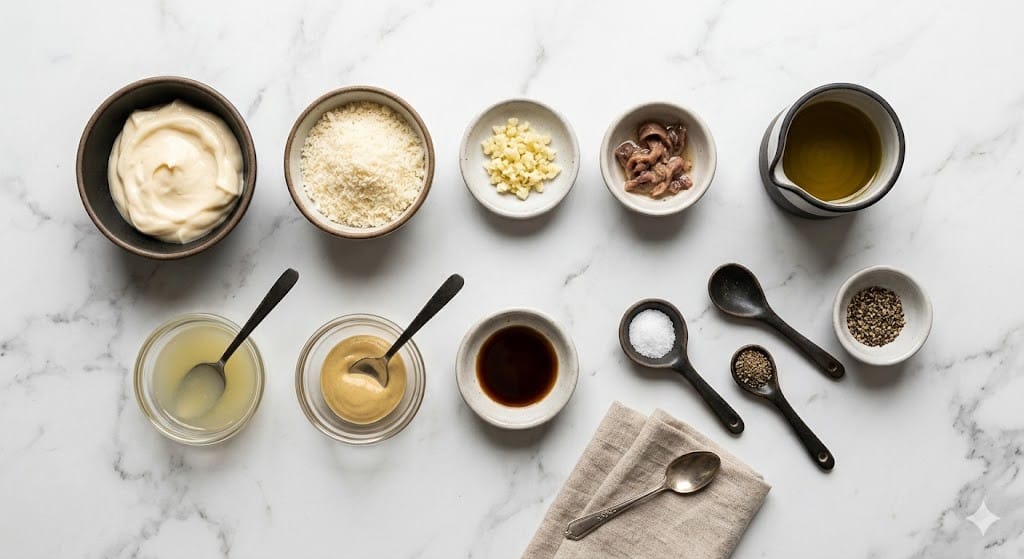
- 1 egg yolk (I use large, but have gotten away with medium—my aunt swears by farm eggs, but any will do)
- 2 teaspoons Dijon mustard (or wholegrain in a pinch, not traditional but tasty)
- 2 anchovy fillets, finely minced (or 1 tsp anchovy paste—sneaky shortcut!)
- 1 small garlic clove, minced (confession: I sometimes add two if I’m feeling bold)
- 2 tablespoons freshly squeezed lemon juice (bottled works if you’re desperate, no one will judge)
- 1/2 cup olive oil (I use extra-virgin, but my neighbor uses plain olive oil and it’s still delicious)
- 1/4 cup finely grated Parmesan (the pre-grated stuff is fine in my book, but fresh is extra fancy)
- Salt and pepper to taste (I go heavy on pepper, but you do you)
- Optional: 1 teaspoon Worcestershire sauce (not totally classic, but wow does it perk things up)
How I Actually Make It (With Tangents)
- Grab a medium mixing bowl and add the egg yolk, Dijon mustard, minced anchovy, minced garlic and lemon juice. Whisk the heck out of it until it starts to look creamy. Don’t worry if it looks a bit odd—it always does before the oil goes in.
- Start drizzling in the olive oil really slowly, whisking constantly (I’ve tried pouring too fast and, trust me, it just separates. Sad face.) It’ll take a minute or so for it to thicken up—that’s what you want.
- Once all the oil is incorporated, stir in your Parmesan, salt, pepper, and Worcestershire if you’re using it. This is where I usually sneak a taste—you know, for science.
- If you want it thinner, add a splash of water until it’s how you like it. Or more lemon juice, if you want it extra zingy (I always do).
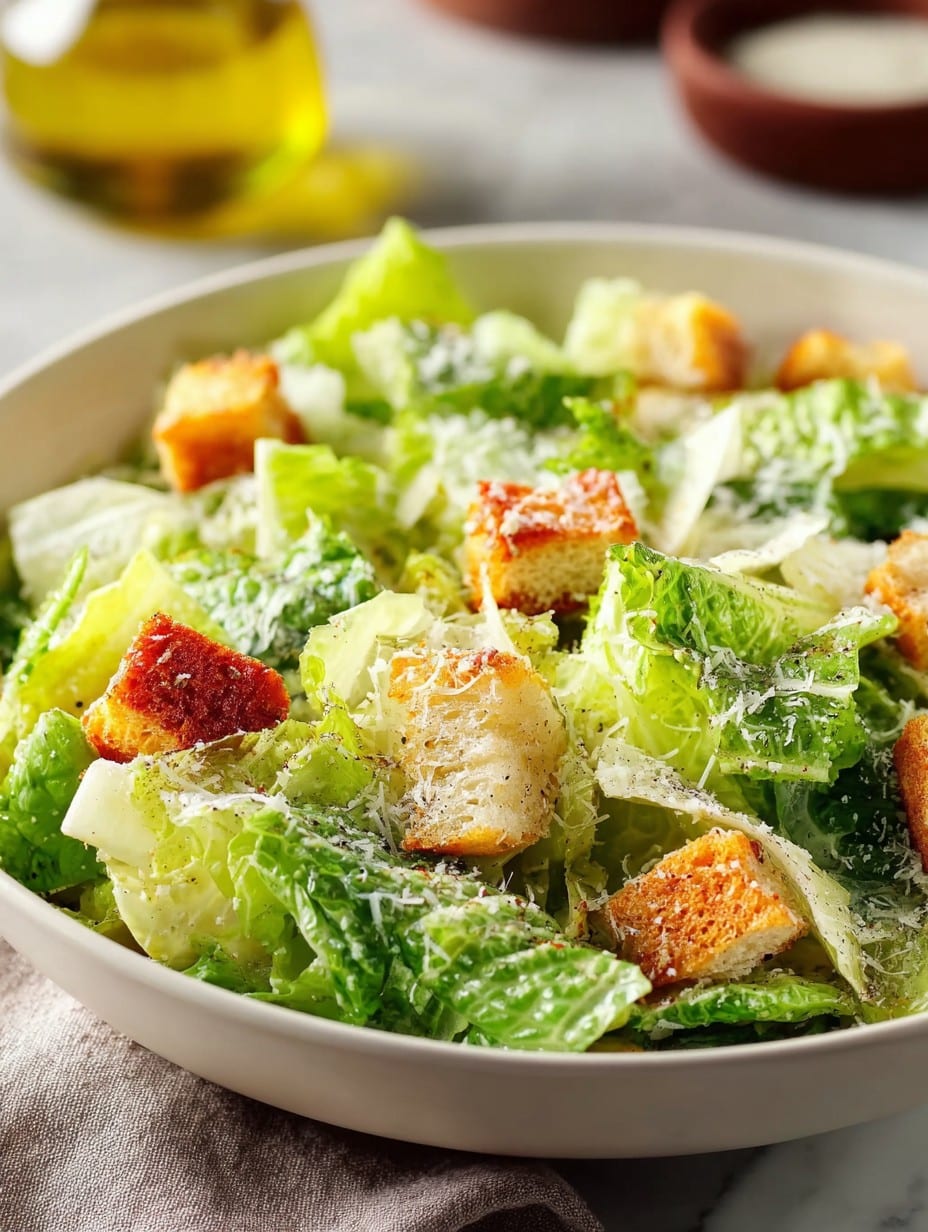
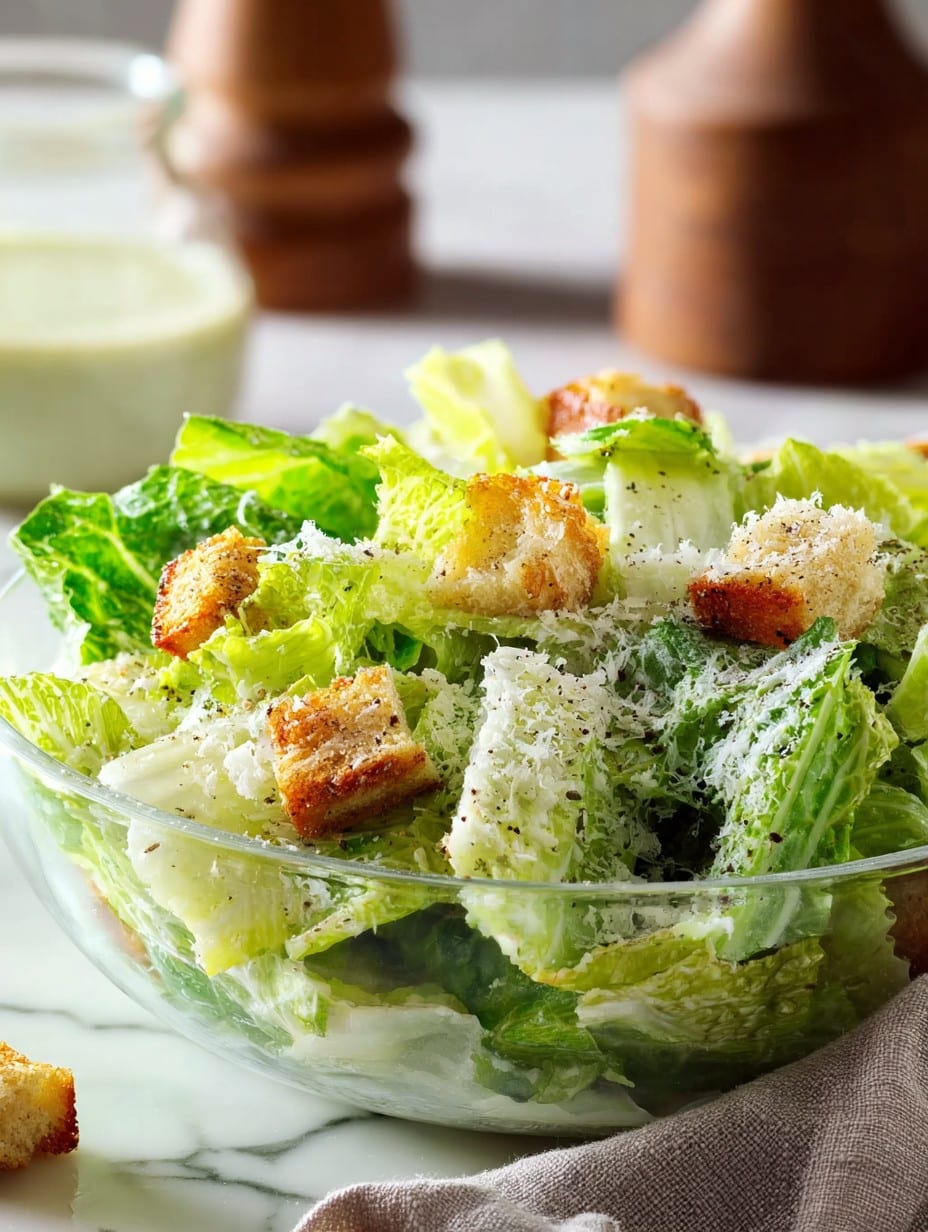
- That’s it! Pour over crisp, cold Romaine and toss. Bonus points if you have homemade croutons hanging around, but hey, store-bought totally works (life’s too short to stress).
Little Things I’ve Learned Along the Way
- If you don’t have anchovies, just use a bit more Worcestershire—no one will riot.
- This dressing tastes better after chilling for half an hour, but if you’re impatient (hi, me), it’s fine right away.
- If you over-whisk and it looks broken, whisk in a splash of water and it usually comes back together.
My Frankenstein Experiments (AKA Variations)
- Once, I used Greek yogurt instead of egg yolk—creamier, tangier, and actually not bad. My eldest wanted more.
- Swapped in lime juice instead of lemon. Not quite Caesar but still tasty. Wouldn’t serve it to my Italian friend, though.
- Tried it without garlic once by accident. Do not recommend. Flat as a pancake, flavor-wise. Learned my lesson.
What If I Don’t Have a Whisk? (Or Other Gear)
Look, a whisk is handy, but I’ve straight-up used a fork or even shaken stuff in a jar when I couldn’t find mine. It’s a bit more arm work, but hey, gets the job done. Food processor is overkill unless you’re making gallons.
How Long Does This Stuff Last?
Keep it in the fridge (covered or in a jar) and it’ll be happy for about 2 days. Though honestly, in my house it never lasts more than a day! If it separates, just stir it back up—it’s not fussy.
Serving Caesar the Way I Like
I’m all about the classic—I toss my Romaine then add more Parmesan on top (sometimes way more than “needed,” but that’s between me and the cheese gods). My brother insists on extra black pepper. And every once in a blue moon, I’ll toss in grilled chicken or shrimp if we’re hungry. Family tradition is to serve it alongside spaghetti (random, I know, but we always did).
Lessons Learned (AKA Don’t Be Me)
- I once tried to cut corners mixing in the oil. Instead of drizzling, I dumped it all at once—boom, oily soupy mess. Don’t do it. Slow and steady wins the flavor race here.
- I used the wrong side of the grater for Parmesan and nearly grated off my knuckles—use the fine side if you can, and take your time.
Curious? Here Are the Questions I Get
- Can you make this without raw egg? Yep! Try 2 tbsp mayonnaise instead of egg yolk—it’s a little different, but still yum.
- I hate anchovies, help? Skip ’em, or just use Worcestershire. Honestly, you won’t even notice.
- Do I have to use fresh lemon? Not at all. Use what you have—just give it a taste before adding more, since bottled can be pretty zingy or, well, bland.
- Help, it’s too thick! Add a splash of water or extra lemon, whisk, and you’re golden.
- What’s with the raw garlic? Too strong? You can mash it into a paste or even mellow it out by letting it sit in the lemon juice before mixing in. Or be bold, like me, and just toss it in raw.
Anyway—give it a whirl. I swear, once you make Classic Caesar Salad Dressing from scratch, the bottled stuff will taste like, well, bottle. And if not, you can blame my cousin for daring me in the first place!
Ingredients
- 1 egg yolk (I use large, but have gotten away with medium—my aunt swears by farm eggs, but any will do)
- 2 teaspoons Dijon mustard (or wholegrain in a pinch, not traditional but tasty)
- 2 anchovy fillets, finely minced (or 1 tsp anchovy paste—sneaky shortcut!)
- 1 small garlic clove, minced (confession: I sometimes add two if I’m feeling bold)
- 2 tablespoons freshly squeezed lemon juice (bottled works if you’re desperate, no one will judge)
- 1/2 cup olive oil (I use extra-virgin, but my neighbor uses plain olive oil and it’s still delicious)
- 1/4 cup finely grated Parmesan (the pre-grated stuff is fine in my book, but fresh is extra fancy)
- Salt and pepper to taste (I go heavy on pepper, but you do you)
- Optional: 1 teaspoon Worcestershire sauce (not totally classic, but wow does it perk things up)
Instructions
-
1Grab a medium mixing bowl and add the egg yolk, Dijon mustard, minced anchovy, minced garlic and lemon juice. Whisk the heck out of it until it starts to look creamy. Don’t worry if it looks a bit odd—it always does before the oil goes in.
-
2Start drizzling in the olive oil really slowly, whisking constantly (I’ve tried pouring too fast and, trust me, it just separates. Sad face.) It’ll take a minute or so for it to thicken up—that’s what you want.
-
3Once all the oil is incorporated, stir in your Parmesan, salt, pepper, and Worcestershire if you’re using it. This is where I usually sneak a taste—you know, for science.
-
4If you want it thinner, add a splash of water until it’s how you like it. Or more lemon juice, if you want it extra zingy (I always do).
-
5That’s it! Pour over crisp, cold Romaine and toss. Bonus points if you have homemade croutons hanging around, but hey, store-bought totally works (life’s too short to stress).
Approximate Information for One Serving
Nutrition Disclaimers
Number of total servings shown is approximate. Actual number of servings will depend on your preferred portion sizes.
Nutritional values shown are general guidelines and reflect information for 1 serving using the ingredients listed, not including any optional ingredients. Actual macros may vary slightly depending on specific brands and types of ingredients used.
To determine the weight of one serving, prepare the recipe as instructed. Weigh the finished recipe, then divide the weight of the finished recipe (not including the weight of the container the food is in) by the desired number of servings. Result will be the weight of one serving.
Did you make this recipe?
Please consider Pinning it!