If you’ve never had a muffin packed with cottage cheese, well, pull up a chair and let me ramble. So I first started sneaking cottage cheese into my blueberry muffins during a particularly weird week—I’d accidentally bought the jumbo tub (thinking it was yogurt, classic mixup), and after the first couple mornings, realized I wasn’t going to eat it fast enough. I tossed some into a bowl of muffin batter, totally winging it, expecting questionable results… but weirdly enough, it was a hit. The muffins came out all tender, with this mild tanginess, plus nobody guessed my secret ingredient until I started bragging, because of course I did.
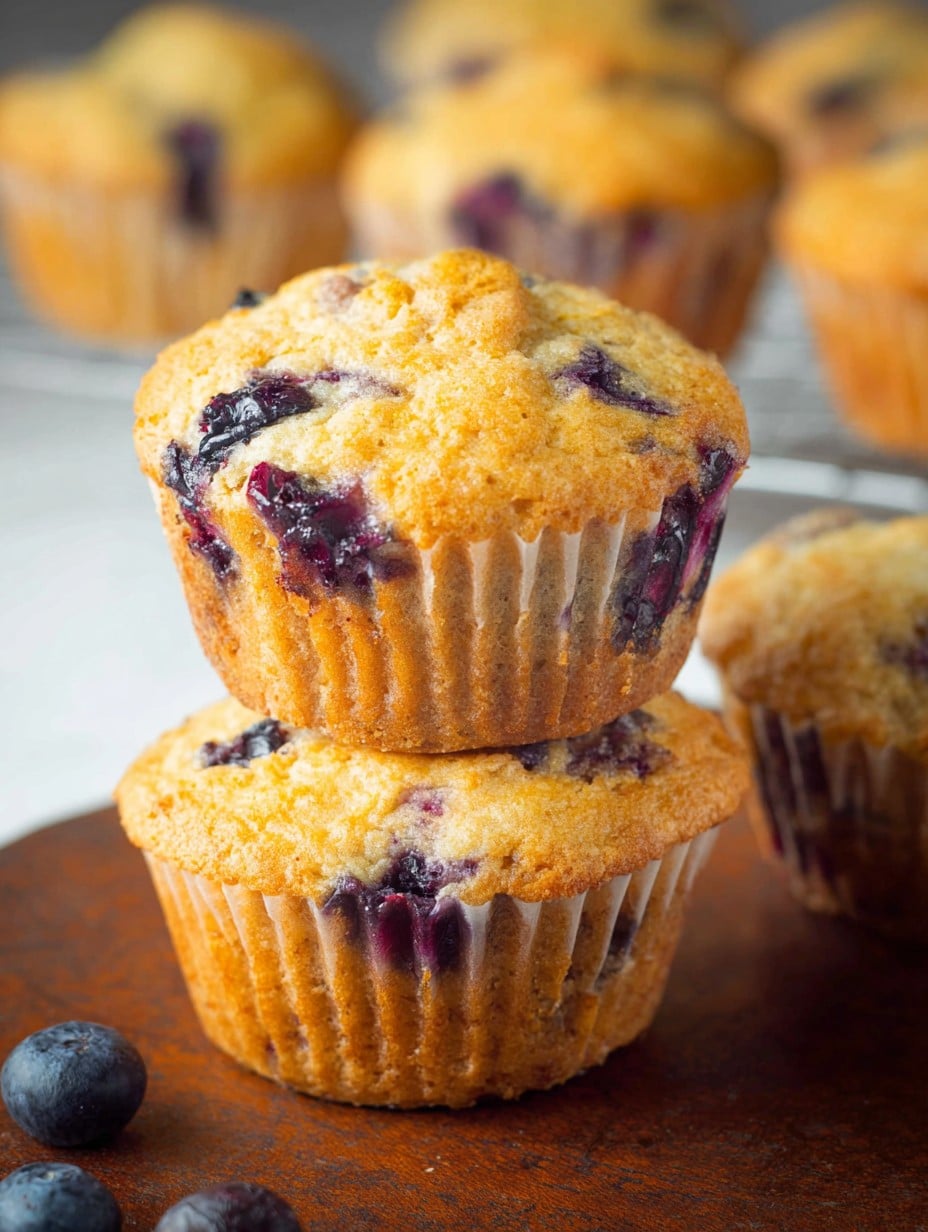
Why I Keep Baking These (Even When I Should Switch It Up)
I make these cottage cheese blueberry muffins when I want to feel like I’ve made a halfway healthy, almost fancy breakfast—especially when I didn’t sleep well or, let’s be real, when I’m trying to impress visitors without leaving my kitchen looking like a flour tornado hit. My family goes absolutely wild for these, which is funny because my brother once claimed he hated cottage cheese. (He ate three in a row before I told him.) They’re not too sweet (I find most muffins lean into dessert territory), and the berries—fresh or frozen, it’s all good—taste like summer, even if you’re stuck inside on a rainy Tuesday. Sometimes the berries bleed a bit into the batter, but honestly, I think it looks cooler that way.
What You’ll Need (and Some Substitutes If You’re Caught Short)
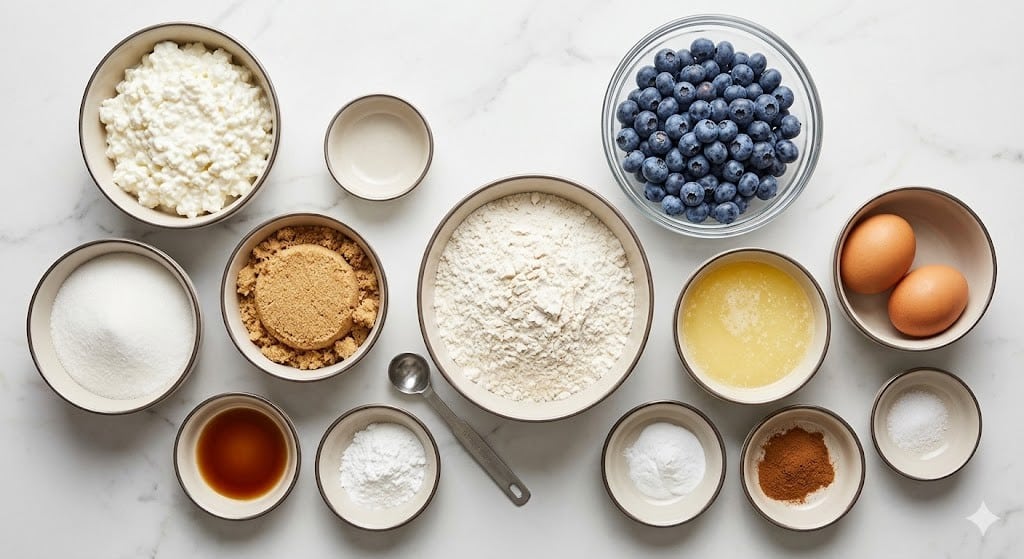
- 1 cup cottage cheese (I use whole-milk, but my friend Kim swears by low fat – use whatever you’ve got lurking in your fridge; my grandma liked Breakstone’s, but I buy whatever’s on sale honestly)
- 1/2 cup unsalted butter, melted (sometimes I use vegetable oil if I’ve run out, it makes them softer but a bit less rich)
- 2 large eggs
- 1 teaspoon vanilla extract (or almond if you’re feeling fancy)
- 2/3 cup sugar (brown sugar brings a little more depth, so try it if you’re up for it)
- 2 cups all-purpose flour (I’ve mixed half with whole wheat in a pinch—it works, just a bit more dense)
- 2 teaspoons baking powder
- 1/2 teaspoon baking soda
- 1/4 teaspoon salt
- 1 cup blueberries (fresh or frozen—don’t even bother thawing frozen; double the amount if you love ‘em, nobody here will judge)
- Zest of half a lemon (optional, but I always toss it in if I have a sad lemon rolling around)
How to Actually Make Them (With Lots of Side Notes)
- Get your oven going at 375°F (190°C). Line a muffin tin—paper liners or just butter it, your call (I’m lazy and use the liners).
- In a medium bowl, stir together the cottage cheese, melted butter, eggs, vanilla, and sugar. It’s a bit lumpy at first; don’t stress. You can really go to town mixing, or just leave it—either way works.
- Grab another bowl; whisk together the flour, baking powder, baking soda, and salt. This is where I always forget the salt, so maybe double check yourself.
- Dump the dry mix into the wet. Stir until just combined—if you overmix, the muffins get tough (learned that the hard way). It’ll be thick and a bit scruffy looking. That’s perfect.
- Gently fold in the blueberries and lemon zest. And, if the batter is purple, congrats, you’ve just made “magical” muffins.
- Scoop the batter into your tin—about 3/4 full for each cup. I just use a big spoon; don’t go buying a fancy scoop unless you want to.
- Bake 18-22 minutes. Check with a toothpick—if it comes out mostly clean (save for a blueberry streak), you’re golden. This is where I usually sneak a taste of the warm top if nobody’s watching.
- Let them sit in the tin for 5 minutes, then move to a rack. If you leave them any longer, sometimes the bottoms get a bit soggy—though my cat once ate one off the rack, so, beware of pets.
Little Notes I Learned (Sometimes the Hard Way)
- If using frozen blueberries, don’t thaw them—unless you want to stir in a blue mess. They’ll bake up fine straight from the freezer.
- I tried blending the cottage cheese smooth once, but actually, the tiny curds make the muffins super moist (in a non-weird way).
- If the muffins seem too pale, just leave them in another minute or two—but don’t wander off for a phone call. I promise you, I’ve burnt more than one batch this way.
Wild Experiments (And What Flopped)
- I subbed in raspberries once—delicious but super tart. Kids weren’t fans.
- Tried chocolate chips instead of blueberries. Meh, too sweet, weird texture.
- Adding a handful of chopped walnuts? Actually amazing. Wish I’d thought of it sooner.
Do You Need Fancy Equipment?
Just a muffin tin. I once tried using a silicone one (borrowed), and honestly, I think the crust is better with regular metal. But, if you only have a cake pan, you can make it work—just spoon the batter in, bake a little longer, then slice wedges. Muffin-ish? Sure.
How to Store These (If You Can Keep Them That Long)
In an airtight container, they’ll keep for 2-3 days at room temp, or a week in the fridge. That said, honestly, in my house they rarely last past breakfast the next day. (If you want to freeze, wrap them up! Works a treat.)
How I Like To Serve These (And a Family Tradition)
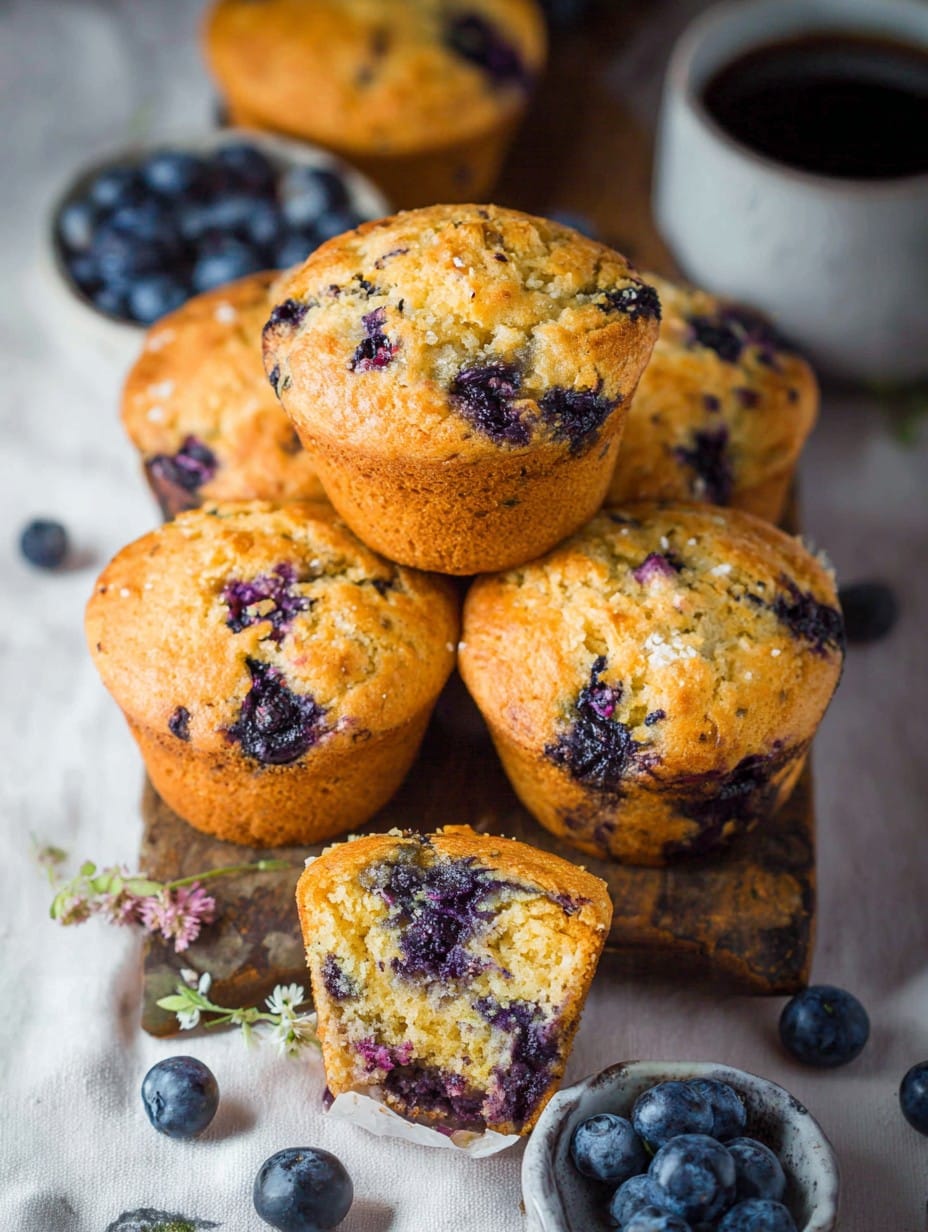
Hot from the oven, split open with a pat of butter—let it melt (use too much, see what happens). My mum always added an extra smear of jam, which I thought was overkill, but it’s undeniably good. They’re also excellent with a cup of tea. Or coffee, if it’s been one of those days.
Pro Tips (Things I Messed Up So You Don’t Have To)
- Don’t rush the cooling—or you’ll scald your tongue. I learned the hard way (twice, actually).
- Don’t overmix. If it looks like thick pancake batter, stop! I once stirred it silly and got rubbery muffins.
- Letting them sit in the tin forever = soggy bottoms. Remove after 5-ish mins, trust me.
FAQ (Yep, People Have Asked Me These)
- Do I have to use whole-milk cottage cheese? Nah, I’ve used low-fat and honestly can’t tell the difference. Use what you have.
- Can I use Greek yogurt instead? Probably, but the muffins will be a little more dense. Still tasty though! (I guess try it and let me know?)
- Can I make these gluten-free? I’ve tried a 1:1 GF blend and it was actually… fine. Texture’s a bit different but still edible, for sure.
- Why do my muffins sometimes stick to the liners? Oh, same. It helps to let them cool a bit first. Also, the paper matters—some are just stickier than others, there’s no rhyme or reason.
- What if I’m out of blueberries? Sub in chopped apple, cranberries, even a mashed banana (did this once—different, but sort of genius).
If you try these and tweak them, tell me what you did! I’m always curious—honestly, I’m more likely to see your message than my own grocery list…
Ingredients
- 1 cup cottage cheese (whole-milk or low fat, any brand)
- 1/2 cup unsalted butter, melted (or vegetable oil)
- 2 large eggs
- 1 teaspoon vanilla extract (or almond extract)
- 2/3 cup sugar (white or brown)
- 2 cups all-purpose flour (can sub half whole wheat)
- 2 teaspoons baking powder
- 1/2 teaspoon baking soda
- 1/4 teaspoon salt
- 1 cup blueberries (fresh or frozen)
- Zest of half a lemon (optional)
Instructions
-
1Get your oven going at 375°F (190°C). Line a muffin tin—paper liners or just butter it, your call.
-
2In a medium bowl, stir together the cottage cheese, melted butter, eggs, vanilla, and sugar. Don’t worry if it’s a bit lumpy.
-
3Grab another bowl; whisk together the flour, baking powder, baking soda, and salt.
-
4Dump the dry mix into the wet. Stir until just combined—it’ll be thick and a bit scruffy looking.
-
5Gently fold in the blueberries and lemon zest. If the batter goes purple, that’s normal.
-
6Scoop the batter into your tin—about 3/4 full for each cup. I use a big spoon.
-
7Bake 18-22 minutes. Check with a toothpick—should come out mostly clean (blueberry streaks OK).
-
8Let them sit in the tin for 5 minutes, then move to a rack to finish cooling.
Approximate Information for One Serving
Nutrition Disclaimers
Number of total servings shown is approximate. Actual number of servings will depend on your preferred portion sizes.
Nutritional values shown are general guidelines and reflect information for 1 serving using the ingredients listed, not including any optional ingredients. Actual macros may vary slightly depending on specific brands and types of ingredients used.
To determine the weight of one serving, prepare the recipe as instructed. Weigh the finished recipe, then divide the weight of the finished recipe (not including the weight of the container the food is in) by the desired number of servings. Result will be the weight of one serving.
Did you make this recipe?
Please consider Pinning it!