The Time I Tried Gordon Ramsay’s Pork Chop—And Didn’t Set Off the Smoke Alarm
I have to admit, the first time I attempted Gordon Ramsay’s pork chop recipe, I was a bit nervous. The guy practically invented shouting at undercooked meat, right? Anyway, I’d watched about, oh, twelve of his videos, got inspired (and a little out of my depth), so I grabbed the thickest pork chops I could find and went for it. Spoiler: No one swore, and even my terribly suspicious teenage son gave it a thumbs up. There was this one moment where I flipped the chop and sauce splattered everywhere, but hey, that’s kitchen battle scars for you.

Why You’ll Love This Pork Chop (Even If You’re Not a Michelin Chef)
I make this recipe when I want to convince everyone I know what I’m doing in the kitchen. My family goes crazy for it because it’s juicy, herby, and honestly kind of show-offy. (But it only looks fancy—it’s mostly just frying pork and throwing in things like butter and garlic.) And sometimes I make it when I need to use up apples that are looking a bit tragic. This is also one of those dinners that feels equally at home with a pile of mash on a Wednesday or a glass of red with friends on the weekend. The first time I tried it, the chop was almost too pink, but now I know to let it rest a bit longer—no more stressy Googling “is pink pork safe?” Take it from me, you got this.
What You’ll Need: Ingredients (Substitutions Welcome!)
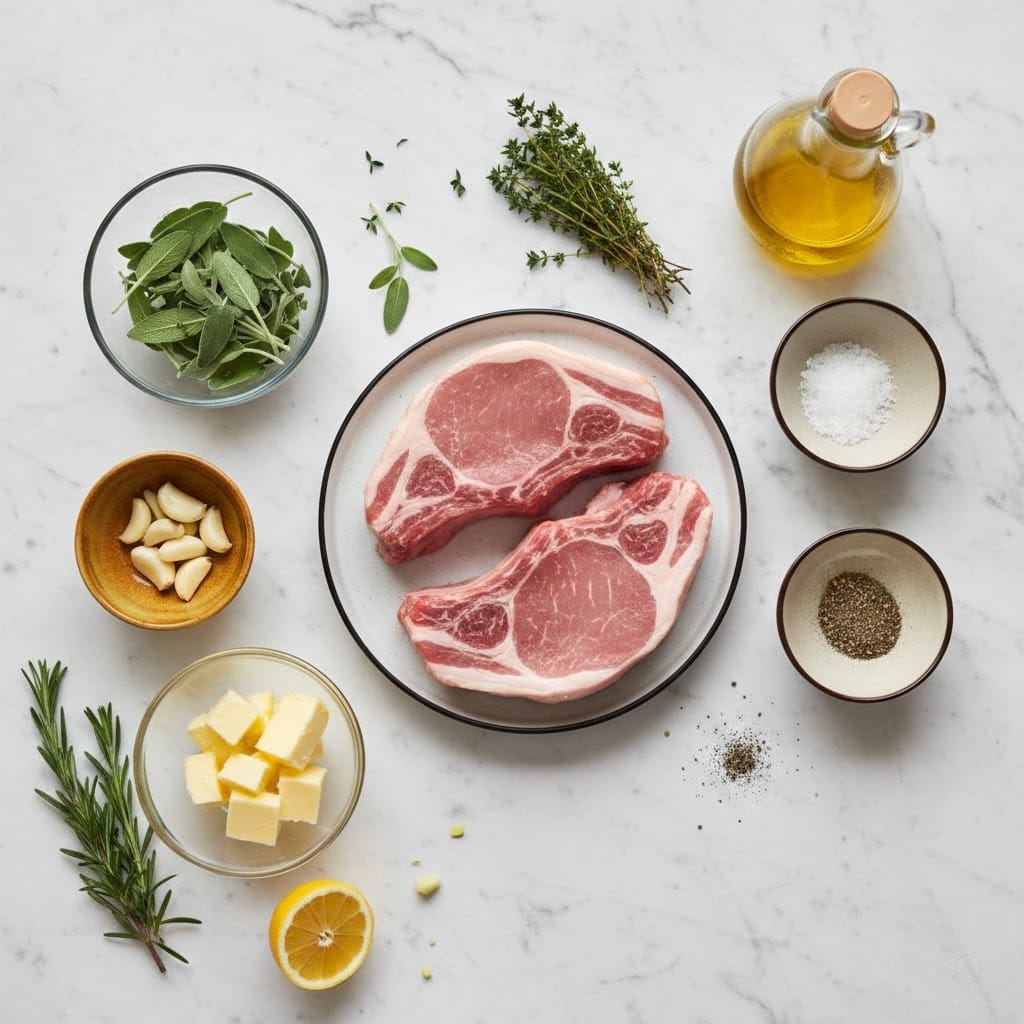
- 2 thick pork chops, bone-in (I’ve used boneless before—works, but the bone gives better flavor. Or so they say.)
- Salt and freshly ground black pepper
- 1 tablespoon olive oil (sunflower oil is fine too, not gonna lie)
- 2 tablespoons butter (I sometimes only use one when I’m pretending to be healthy)
- 3 garlic cloves, smashed (if you only have 2, don’t panic)
- 2 sprigs fresh thyme (once I substituted rosemary because it’s what I had; not half bad!)
- 1 small apple, sliced (Pear in an emergency, but apple is boss)
- 1 small onion, thinly sliced (My gran always said red onions are fancier, but white works, too)
- 1/4 cup chicken stock (I’ve definitely used a veggie stock cube and hot water when in a pinch)
- 1 teaspoon Dijon mustard (Or regular, or even English; whatever’s lurking in the fridge)
- 1 teaspoon honey (Sometimes I forget this—don’t tell Gordon—but it’s nice for a touch of sweetness)
Let’s Get Cooking: How I (Mostly) Nail This Pork Chop
- Pat those pork chops dry. Like, really dry. Soggy meat is a sad time. Generously season both sides with salt and pepper. Don’t be shy; this is where the flavor starts.
- Heat a heavy pan (cast iron is king, but any nonstick will do) over medium-high heat and glug in the olive oil. Wait for the oil to shimmer—it’s ready when a drop of water dances. (Yes, dances. If it just sits there, wait.)
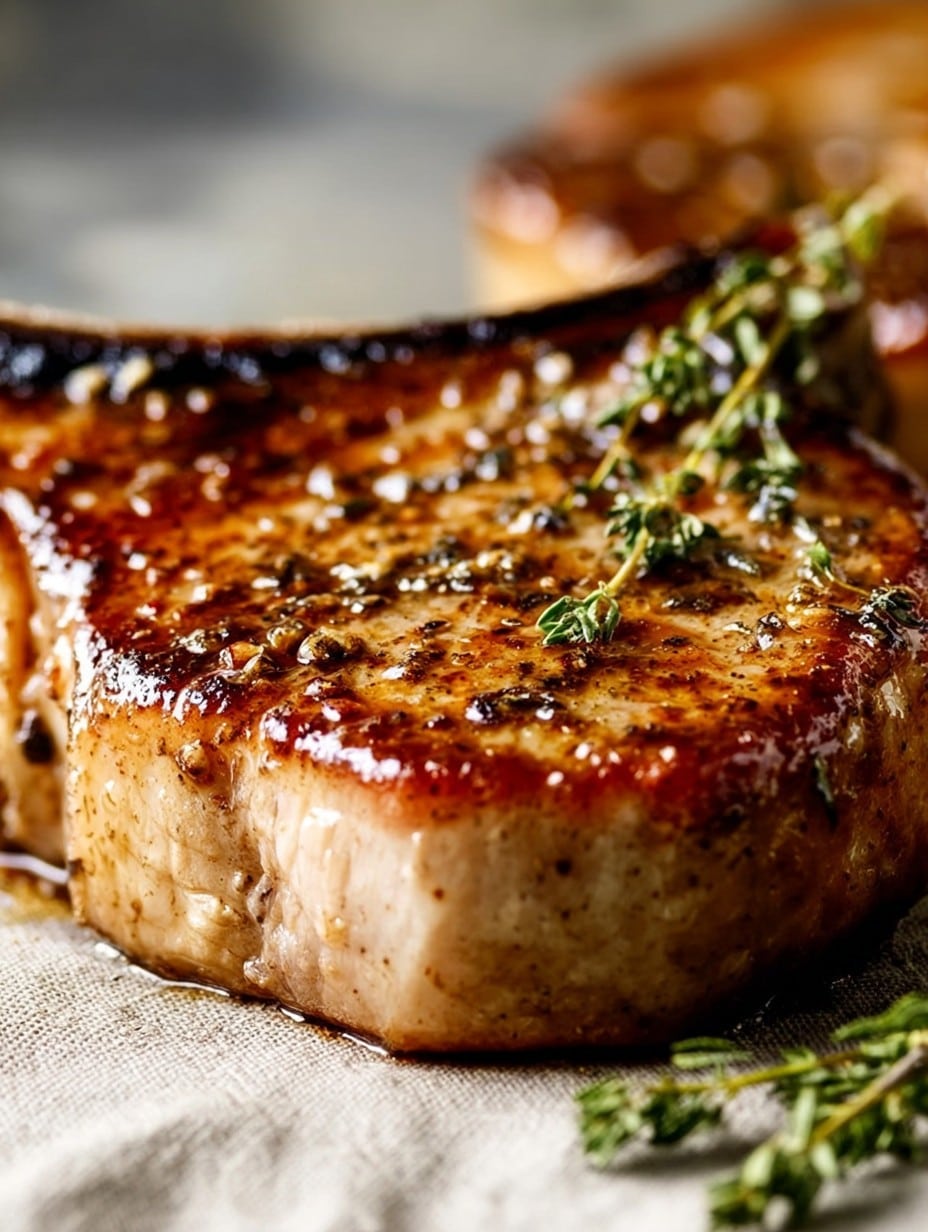
- Pop the chops in. Sear for about 3–4 minutes per side, or until lovely golden crust forms. This is where my kitchen usually smells like heaven. Don’t move them too much or they’ll sulk and not crust up properly.
- When you flip the chops, throw in the butter, garlic, and thyme. Tilt the pan a bit and start spooning that olive oil-butter on top of the pork (basting, they call it—sounds posh). Watch out for splatters, or your shirt’ll look like a Jackson Pollock.
- Toss in the apple and onion slices around the chops. Let ’em get some color and soften—stir them a bit so nothing sticks. The apple will smoosh a little, but that’s grand.
- Pour in the chicken stock. It might hiss at you—it’s normal! Swirl in the Dijon mustard and honey right after, and scrape up all those delicious brown bits. Gordon loves those.
- Let everything bubble away for about 2–3 minutes, just until the sauce thickens slightly and the pork is just cooked. (Honestly, I poke the chop with my finger; if it’s firm but springy, you’re there. But you could use a thermometer, 63°C/145°F if you’re fancy.)
- Take the pan off the heat and let the chops rest for a couple of minutes. The sauce keeps thickening—sometimes I sneak a taste here, for, um, “quality control.”
- Serve the pork chops with the apples, onion, and whatever saucy magic is in the pan spooned over. And that’s it, mate.
Notes from the Culinary Trenches
- Sometimes I forget to dry the pork, and it’s never as golden. Just, trust me on that bit.
- If your sauce is too thin, just simmer it a touch longer (or, oops, add a dab more mustard—I do that at times)
- I’ve tried skipping the apple, but honestly, it misses that sweet bite—at least I think so!
What Could Go Wrong? (Variations I’ve Actually Tried)
- I tried pears once when I was out of apples. Not a disaster, but just felt a bit odd with the mustard. Not my favorite, but maybe it’d work for someone else.
- Rosemary instead of thyme—actually great, though maybe don’t overdo it—it can take over the whole thing.
- If you want a real kick, a dash of cider vinegar in the sauce. But wow, go easy or it all gets a bit too lively, if you know what I mean.
Stuff You Need (And What To Do If You Don’t Have It)
- A heavy frying pan or skillet (cast iron preferred, but honestly, any pan with a bit of heft will work—just keep the heat steady and watch for sticking)
- Tongs (get creative—use a spatula if you must; yes, I’ve done it with a fork and a prayer more than once)
- Spoon for basting (just your ordinary tablespoon is fine)
But What About Leftovers?
Store any leftover pork (does anyone ever have any?) in an airtight container in the fridge. It’ll keep for up to 2 days, but I think it tastes even better the next day—unless someone nicks it for a midnight snack. Seriously, in my house it rarely makes it that long.
How I Like to Serve It (And You Might Too)
This is lovely with creamy mashed potatoes, or even a bit of crusty bread to mop up the sauce. My brother insists on peas on the side (don’t ask), and at Christmas I once went wild and served it with roasted parsnips. There’s really no wrong way.
Pro Tips I’m Willing to Admit
- I once tried to rush the resting stage—big mistake. Pork needs those couple minutes to stay juicy. Otherwise, prepare for sadness on a plate.
- If you splash in the stock too fast, it’ll cool the pan and the sauce gets thin. Pour gently, trust me.
FAQ: Straight From the (Slightly Messy) Kitchen
- Can I make this with chicken? Oddly enough, yes. Just don’t overcook it; chicken dries out even faster than pork.
- Do I have to use booze in the sauce? Nope! This recipe’s straight-up—though if you want, a splash of dry cider could be nice (did that once, went surprisingly well.)
- Is it okay if the pork is a little pink? These days, yep! As long as it’s not raw, a hint of blush is safe (thank you, food science).
- What if I don’t have fresh herbs? Dried is absolutely fine. Honestly, I use dried thyme 50 percent of the time and nobody seems to notice.
- Should I brine the pork first? You could. But I usually don’t, because, well, I never remember. If you’ve got time, it’ll make the chops even juicier, but this recipe is forgiving either way.
One last thing: If you make this and manage to keep your shirt clean and the pork juicy the first time, kudos—I’m genuinely impressed. If not, well, you’re in pretty good company!
Ingredients
- 2 thick pork chops, bone-in
- Salt and freshly ground black pepper
- 1 tablespoon olive oil
- 2 tablespoons butter
- 3 garlic cloves, smashed
- 2 sprigs fresh thyme
- 1 small apple, sliced
- 1 small onion, thinly sliced
- 1/4 cup chicken stock
- 1 teaspoon Dijon mustard
- 1 teaspoon honey
Instructions
-
1Pat those pork chops dry. Like, really dry. Soggy meat is a sad time. Generously season both sides with salt and pepper. Don’t be shy; this is where the flavor starts.
-
2Heat a heavy pan (cast iron is king, but any nonstick will do) over medium-high heat and glug in the olive oil. Wait for the oil to shimmer—it’s ready when a drop of water dances. (Yes, dances. If it just sits there, wait.)
-
3Pop the chops in. Sear for about 3–4 minutes per side, or until lovely golden crust forms. This is where my kitchen usually smells like heaven. Don’t move them too much or they’ll sulk and not crust up properly.
-
4When you flip the chops, throw in the butter, garlic, and thyme. Tilt the pan a bit and start spooning that olive oil-butter on top of the pork (basting, they call it—sounds posh). Watch out for splatters, or your shirt’ll look like a Jackson Pollock.
-
5Toss in the apple and onion slices around the chops. Let ’em get some color and soften—stir them a bit so nothing sticks. The apple will smoosh a little, but that’s grand.
-
6Pour in the chicken stock. It might hiss at you—it’s normal! Swirl in the Dijon mustard and honey right after, and scrape up all those delicious brown bits. Gordon loves those.
-
7Let everything bubble away for about 2–3 minutes, just until the sauce thickens slightly and the pork is just cooked. (Honestly, I poke the chop with my finger; if it’s firm but springy, you’re there. But you could use a thermometer, 63°C/145°F if you’re fancy.)
-
8Take the pan off the heat and let the chops rest for a couple of minutes. The sauce keeps thickening—sometimes I sneak a taste here, for, um, “quality control.”
-
9Serve the pork chops with the apples, onion, and whatever saucy magic is in the pan spooned over. And that’s it, mate.
Approximate Information for One Serving
Nutrition Disclaimers
Number of total servings shown is approximate. Actual number of servings will depend on your preferred portion sizes.
Nutritional values shown are general guidelines and reflect information for 1 serving using the ingredients listed, not including any optional ingredients. Actual macros may vary slightly depending on specific brands and types of ingredients used.
To determine the weight of one serving, prepare the recipe as instructed. Weigh the finished recipe, then divide the weight of the finished recipe (not including the weight of the container the food is in) by the desired number of servings. Result will be the weight of one serving.
Did you make this recipe?
Please consider Pinning it!