Let’s Talk Tuna Pasta Salad, Like Old Friends
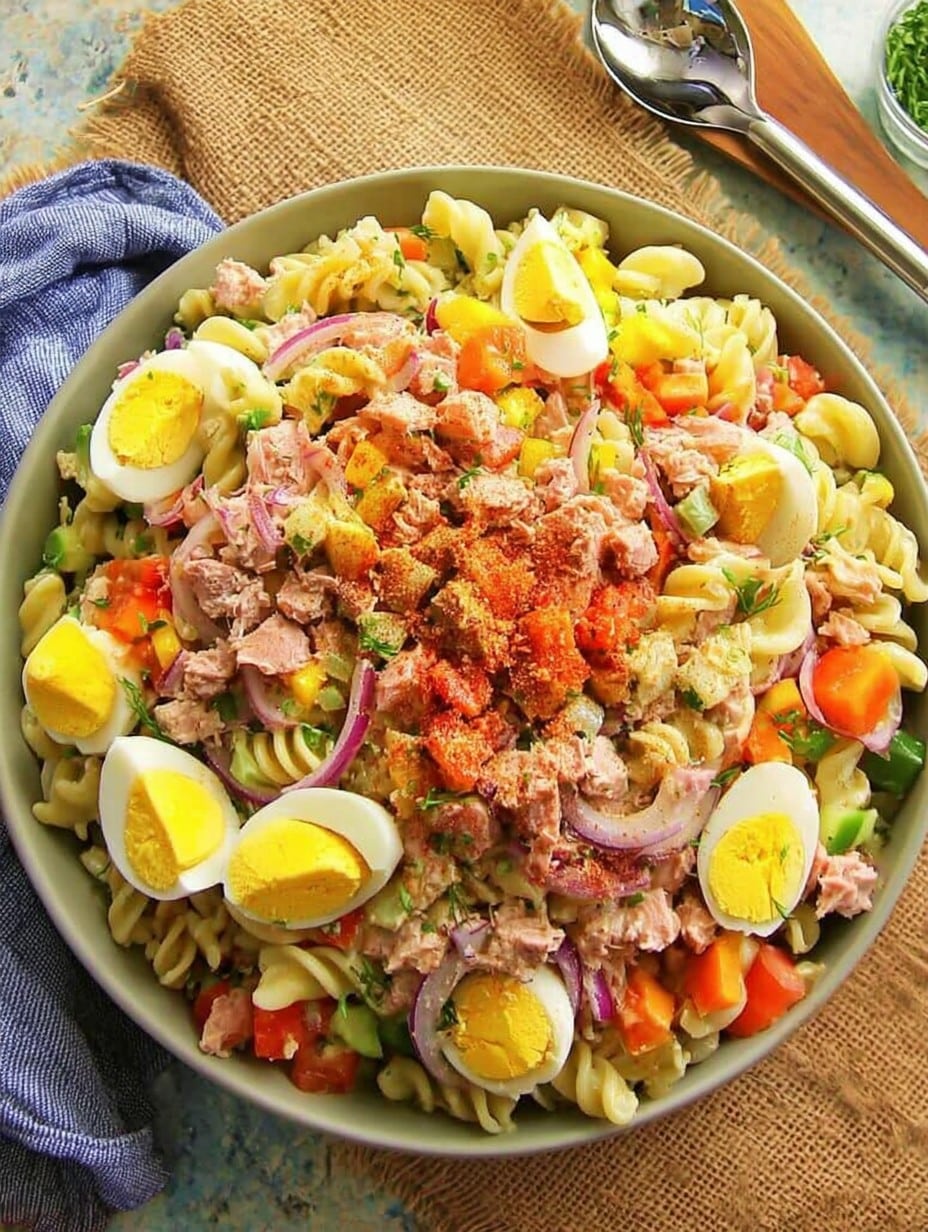
First things first: I never thought I’d be the type to rave about tuna pasta salad. The memory of sad, mayo-soaked noodles from a summer picnic (let’s just say, the sun wasn’t the only thing beating things down) stuck with me for years. But one day I tried to “beef up” my lunch—well, tuna up?—and stumbled into this high protein version by accident. The rest was delicious, slightly messy, history. Now I’ve got a version I actually crave, and not just because it’s the only thing in my kitchen. My kids are weirdly excited for this one, and I see why.
Why You’ll Love This—Or at Least Why I Do
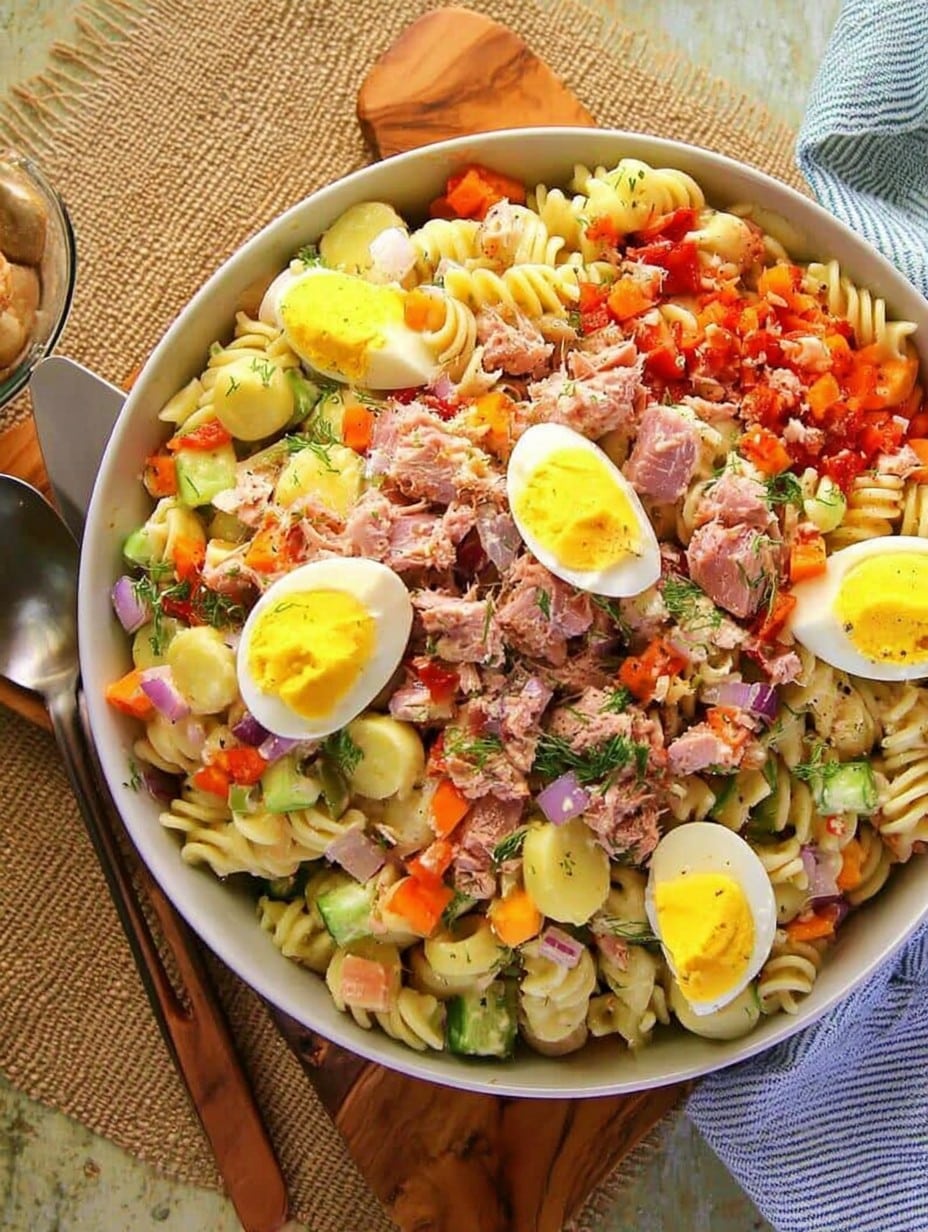
I whip this up when I need something fast (like, hangry-o’clock fast) that won’t just disappear in two bites. My family goes crazy for it, possibly because it’s cold pasta masquerading as a proper meal. Also, I used to hate draining tuna—so annoying—but actually, I’ve found spring water versions are way less mushy. Anyway, this keeps in the fridge (unless you live with teenage boys, in which case, good luck). Plus, it’s the kind of recipe you can sneak a few bites of right out the bowl and nobody notices!
What You Need (and What You Can Swap)
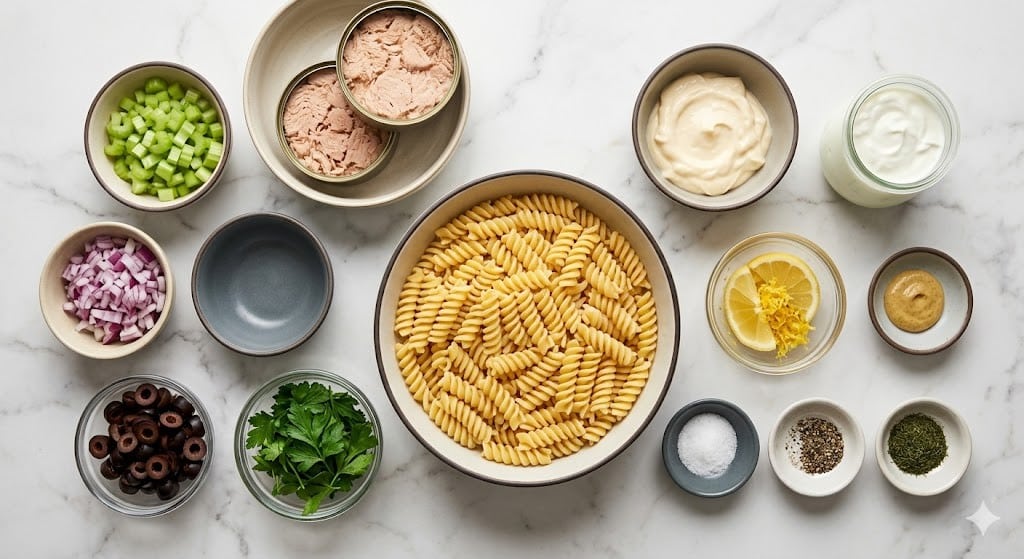
- 250g (about 9oz) whole wheat fusilli or penne pasta (regular pasta is fine—my gran swore by elbows, but use what you’ve got)
- 2 cans (5oz each) tuna in water, well drained (I sometimes use tuna in olive oil if I’m feeling fancy, but it’s richer)
- 1 cup cherry tomatoes, halved—or big tomatoes chopped small (I do this when the “fancy” tomatoes cost an arm and a leg)
- 1/2 cup red onion, finely diced (sub white or green onions in a pinch, or just skip if you’re anti-onion)
- 1 cup cucumber, diced (sometimes I swap in celery for more crunch—up to you)
- 1/3 cup Greek yogurt (plain, not vanilla—I promise, you don’t want vanilla)
- 2 tbsp mayonnaise (or skip and add a squeeze of lemon if you want it even lighter—I actually prefer with mayo though)
- 1 tbsp Dijon mustard (I won’t argue if you reach for yellow mustard instead, nobody has ever complained)
- Juice of half a lemon (sometimes I just eyeball this, no shame)
- 1/4 cup fresh parsley, chopped (dried works, but it’s just… okay)
- Salt & pepper to taste (sometimes I add a pinch of chili flakes, which may not be traditional, but who’s asking?)
- Optional extras: 1/3 cup peas or chopped bell pepper, handful of olives—tried olives once, my son staged a mutiny, but maybe you’ll have better luck
How I Actually Make It (Step by Step—Sort Of)
- Cook the pasta in salted water until al dente. Don’t overcook or, trust me, you’ll get a bowl of sadness. Drain and rinse under cold water to stop it turning gluey. I know, some chefs would clutch their pearls, but I hate hot pasta salad.
- While the pasta does its thing, mix together the Greek yogurt, mayo, Dijon, and lemon juice in a big bowl. Grind in some pepper, sprinkle of salt, maybe a hopeful squeeze more lemon (I like it zesty).
- Toss in the drained tuna and mash gently with a fork so you don’t get any sneaky big clumps.
- Add in all your chopped veggies: tomatoes, onion, cucumber (and whatever extras you’re feeling brave enough to try). I admit—this is where I start tasting, for “quality control.”
- Dump in your cooled pasta. Give everything a good but gentle stir. Don’t worry if it looks a little weird now; it magically comes together once you chill it.
- Fold in the parsley (or sprinkle on top if you want to “look fancy”). Adjust salt and pepper, and taste again—I usually do.
- Pop in the fridge for at least 30 minutes. It lets the flavors get to know each other (I swear it tastes better the next day—if any lasts).
Notes From My (Slightly Cluttered) Kitchen
- The first time I tried using only yogurt, it was a bit too tart—mayo really helps mellow things out.
- You can absolutely use gluten-free pasta (I have done, once… the texture was a little off, but totally edible!)
- If you go heavy on the veggies, you might want a bit more sauce—just stir in extra yogurt or mayo. Taste as you go!
Variations I’ve Tried—And One I Gave Up On
- Swapped tuna with cooked shredded chicken—good, but definitely not as fast.
- Did a batch with capers for a briny kick. I loved it, the kids—less so.
- Once tried mixing in avocado for creaminess. Honestly, it kinda went brown and mushy after sitting (lesson learned!).
The Tools I Rely On (Or Work Around)
- Big mixing bowl (if you only have a medium one, use your biggest pot—it works in a pinch, though cleanup is a pain)
- Strainer/colander for the pasta (no shame in draining it through the pot lid with ninja-level caution)
- Sharpish knife for the veggies—though, full confession, I’ve mangled tomatoes with a butter knife and lived to tell the tale
- Optional: lemon juicer (sometimes I just squeeze lemon right through my hand and pick the seeds out—it’s rustic, right?)
How Long Can You Keep This?
This is one of those salads that holds up really well, tightly covered in the fridge for two, maybe three days. (Though, honestly, in my house it never lasts more than a day—even cold, my partner will sneak forkfuls from the fridge like a bandit.)
How I Serve It (Often Straight from the Bowl)
Can be a main dish, a hearty side, or a packable lunch in an old yogurt container (classy). Sometimes I serve it over a pile of greens, maybe with a squeeze more lemon. My daughter loves it with a little extra black pepper and, weirdly, crunchy nacho chips to scoop it. Go figure!
Things I’ve Learned the Hard Way—AKA Pro Tips
- Don’t skip rinsing the pasta—it really stops things getting sticky. I rushed this once and regretted it.
- If you toss everything while the pasta is still warm, the tuna ends up a bit “cooked”—not great.
- Taste as you go, or you might end up with a lemon explosion.
FAQ (Because I Get Asked… A Lot)
- Can I use another fish? Yep! Cooked salmon works—not as cheap, but fancy.
- Does it have to be Greek yogurt? Not really. Regular plain yogurt works, just go a bit easy or it gets too runny.
- How do I make it egg-free? Easy—skip the mayo or use an egg-free version. Tastes a tad tangier.
- My pasta salad got dry? Stir in a splash of yogurt or olive oil. Or, honestly, eat it faster!
- Can I make it in advance? Actually, I think it’s better the next day (unless someone ate it at midnight—been there).
- Can kids make this? With a little help chopping, definitely. They may eat most of the cherry tomatoes before they hit the bowl.
- What about vegan? Use cooked chickpeas and skip the tuna, or try a vegan mayo/yogurt blend. Not exactly the same, but not bad either.
Anyway, if you make this let me know how it turns out—unless you mess it up, in which case, I know nothing (kidding, sort of). Hope you enjoy it!
Ingredients
- 250g (about 9oz) whole wheat fusilli or penne pasta (regular pasta is fine—my gran swore by elbows, but use what you’ve got)
- 2 cans (5oz each) tuna in water, well drained (I sometimes use tuna in olive oil if I’m feeling fancy, but it’s richer)
- 1 cup cherry tomatoes, halved—or big tomatoes chopped small (I do this when the “fancy” tomatoes cost an arm and a leg)
- 1/2 cup red onion, finely diced (sub white or green onions in a pinch, or just skip if you’re anti-onion)
- 1 cup cucumber, diced (sometimes I swap in celery for more crunch—up to you)
- 1/3 cup Greek yogurt (plain, not vanilla—I promise, you don’t want vanilla)
- 2 tbsp mayonnaise (or skip and add a squeeze of lemon if you want it even lighter—I actually prefer with mayo though)
- 1 tbsp Dijon mustard (I won’t argue if you reach for yellow mustard instead, nobody has ever complained)
- Juice of half a lemon (sometimes I just eyeball this, no shame)
- 1/4 cup fresh parsley, chopped (dried works, but it’s just… okay)
- Salt & pepper to taste (sometimes I add a pinch of chili flakes, which may not be traditional, but who’s asking?)
- Optional extras: 1/3 cup peas or chopped bell pepper, handful of olives—tried olives once, my son staged a mutiny, but maybe you’ll have better luck
Instructions
-
1Cook the pasta in salted water until al dente. Don’t overcook or, trust me, you’ll get a bowl of sadness. Drain and rinse under cold water to stop it turning gluey. I know, some chefs would clutch their pearls, but I hate hot pasta salad.
-
2While the pasta does its thing, mix together the Greek yogurt, mayo, Dijon, and lemon juice in a big bowl. Grind in some pepper, sprinkle of salt, maybe a hopeful squeeze more lemon (I like it zesty).
-
3Toss in the drained tuna and mash gently with a fork so you don’t get any sneaky big clumps.
-
4Add in all your chopped veggies: tomatoes, onion, cucumber (and whatever extras you’re feeling brave enough to try). I admit—this is where I start tasting, for “quality control.”
-
5Dump in your cooled pasta. Give everything a good but gentle stir. Don’t worry if it looks a little weird now; it magically comes together once you chill it.
-
6Fold in the parsley (or sprinkle on top if you want to “look fancy”). Adjust salt and pepper, and taste again—I usually do.
-
7Pop in the fridge for at least 30 minutes. It lets the flavors get to know each other (I swear it tastes better the next day—if any lasts).
Approximate Information for One Serving
Nutrition Disclaimers
Number of total servings shown is approximate. Actual number of servings will depend on your preferred portion sizes.
Nutritional values shown are general guidelines and reflect information for 1 serving using the ingredients listed, not including any optional ingredients. Actual macros may vary slightly depending on specific brands and types of ingredients used.
To determine the weight of one serving, prepare the recipe as instructed. Weigh the finished recipe, then divide the weight of the finished recipe (not including the weight of the container the food is in) by the desired number of servings. Result will be the weight of one serving.
Did you make this recipe?
Please consider Pinning it!