So, Let’s Talk About This Lemon Bread
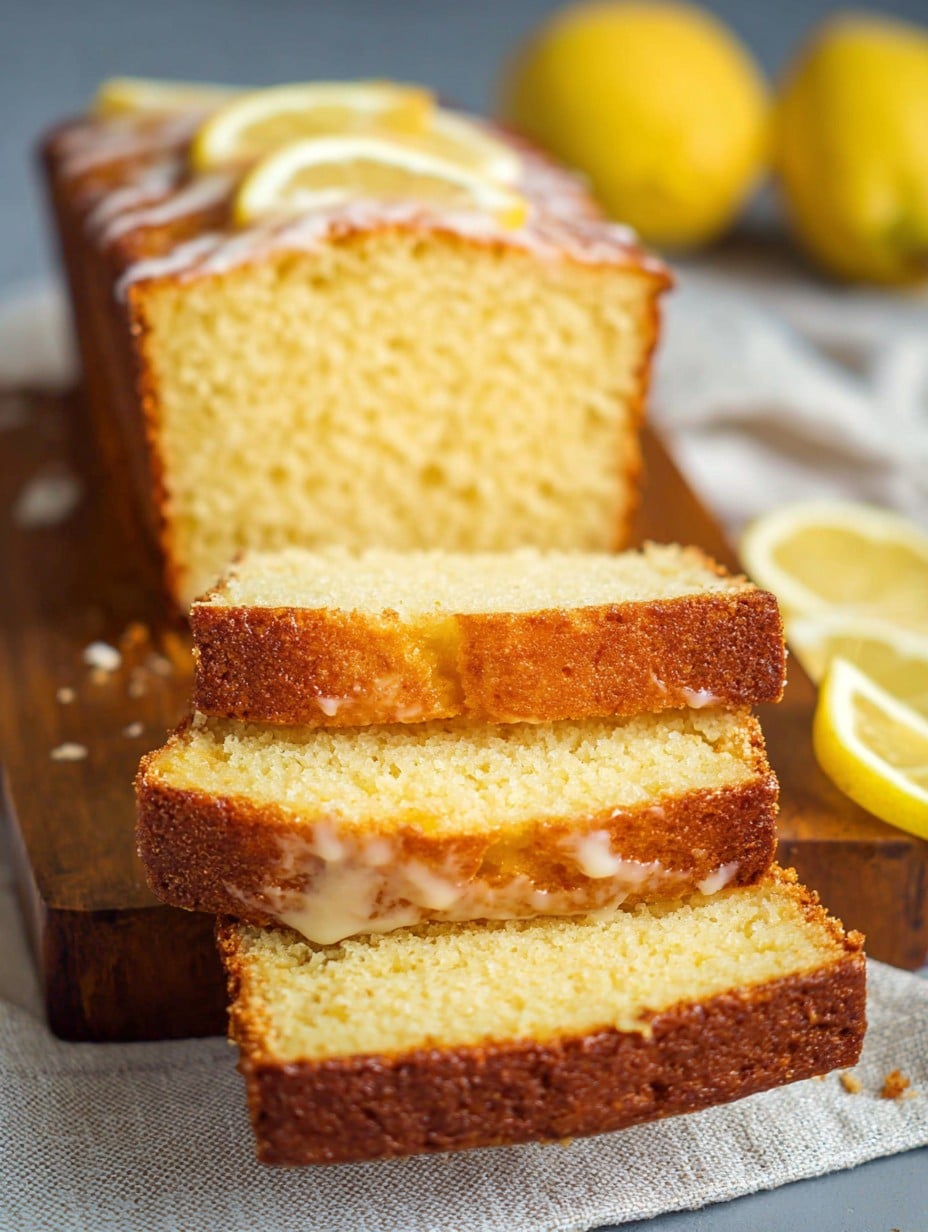
I don’t know about you, but I never say no to lemon anything. Remember that summer (the one where we barely left the house and, let’s be honest, Netflix judged us) when I accidently bought way too many lemons? That’s when this keto lemon bread happened—born from way too much citrus, my insatiable snack cravings, and a mild panic about missing out on cake while doing keto. This bread—well, technically more of a loaf cake if you’re getting fussy—has been my solution for when I want something bright, just tangy enough, and not a sugar bomb. Oh, and Greek yogurt makes it moist (I kinda hate that word but it fits). It’s simple enough, so even when my brain’s gone walkabout, I can pull it off.

Why You’ll Love It (Or at least Like It a Lot)
I make this whenever I’m after something dessert-adjacent that won’t nuke my carb balance, especially when my sister starts texting about her latest bakery finds. My family goes wild for it, especially if it’s paired with tea (though, between us, my brother picked out the poppy seeds the first time—so now I sometimes just leave them out). And honestly, I was ready to never bake with almond flour again after that one batch of flat cookies, but here it works. By the way, if you hate dry, crumbly loafs—this one is pretty much the opposite. My only gripe? Having to wait for it to cool before slicing. Torture!
What You’ll Need (with a Bit of Wiggle Room)
- 2 cups almond flour (I usually use the Bob’s Red Mill one, but honestly, the bargain brand works fine—just don’t use almond meal unless you love a really rustic texture)
- 1/3 cup coconut flour (or use all almond flour if coconutty isn’t your thing, but decrease eggs by one if you do)
- 1/2 cup granular monk fruit sweetener (erythritol’s okay, too—sometimes I mix the two when I’m running low on one or the other)
- 2 tsp baking powder (my grandma insisted on Clabber Girl, but, whatever’s around works)
- 1/4 tsp salt
- Zest from 2 lemons (give or take—it’s not surgery, but more zest = more zing. Don’t skip!)
- 3 large eggs, room temp (cold eggs work, but things end up less fluffy, trust me)
- 1/2 cup Greek yogurt, full fat (I did try 2% once; came out fine, maybe not as rich)
- 1/3 cup fresh lemon juice (bottled works in a pinch but… don’t tell anyone I said that)
- 1/4 cup melted butter (coconut oil if you’re dairy-free, but I prefer butter’s flavor. Margarine wasn’t great here)
- 1 tsp vanilla extract
- 1 tbsp poppy seeds (optional—but I skip them for picky eaters)
Making It: Unfussy Steps, I Promise
- Preheat your oven to 350°F (175°C). Grease a loaf pan well—really get those corners. (Or just line it with parchment. Life’s too short to battle stubborn bakes.)
- In one big bowl, whisk together the almond flour, coconut flour, sweetener, baking powder, salt, and lemon zest. Don’t overthink it—just get out the lumps.
- In another bowl, whisk up eggs, Greek yogurt, lemon juice, melted butter, and vanilla. This is where I usually sneak a taste—though it’s pretty tangy.
- Pour the wet stuff into the dry bowl. Stir until it’s just combined—it’ll look thick-ish. Totally normal. Add in the poppy seeds if using.
- Spoon the batter into your loaf pan. Spread it out—it won’t really ‘pour’. Smooth the top. (If it looks like lumpy porridge, that’s actually right!)
- Bake for 38-45 minutes. Start checking at 38. The top should crack a bit and spring back lightly. A skewer may not come out spotless because of the yogurt.
- Let it cool in the pan for about 15 minutes (so hard to wait), then carefully transfer it to a wire rack. Otherwise, you get steamy, weird-edged slices.
- Slice it up and pat yourself on the back. Okay, maybe let it cool another five minutes if you actually want clean cuts.

What I’ve Learned—‘Notes’ I Wish I’d Known
- This loaf tastes better the next day—though sometimes it’s mysteriously gone by then.
- If you’re out of Greek yogurt, I once used sour cream. It worked but, on second thought, the flavor can be a bit too tangy if you’re not ready.
- If your loaf sinks, it’s often just overmixing. It still tastes grand, though.
Swaps and Variations I Actually Tried
- I once did all almond flour, skipping coconut. Less fluffy, bit dense, but still edible (good with butter!)
- Lime instead of lemon? Sure, but use less juice. That time it came out almost like a key lime pie loaf, which isn’t a bad thing.
- I swapped in blueberries once. Honestly, they sank to the bottom and looked weird. Still tasted fine. Maybe toss them in almond flour next time?
The Equipment I Use (and What to Do if You Don’t Have It)
- Standard 8×4 inch loaf pan (or 9×5, but loaf’ll be shorter—no drama)
- Two big bowls (mixing in a saucepan once was a bit chaotic, but hey, it worked)
- Whisk and spatula (but you could get by with a big fork and a wooden spoon, no judgment)
How Do I Store This Stuff?
Keep leftovers (if any) in an airtight container at room temp for up to two days. Longer than that? Fridge. Just know it dries a bit, but honestly, in my place it’s usually gone by day one. Freezes okay if you wrap in foil then in a bag.
How We Serve It at Mine
I love it with a cup of coffee—sometimes with a dab of sugar-free lemon curd or just some extra butter spread on top. My niece likes it plain, but I think it’s secretly screaming for a sidekick, like Greek yogurt and berries. Some folks dust with powdered erythritol if you want to get fancy.
Heads-Up: My Hard-Earned Tips
- Don’t try to bake at a higher temp so it goes faster—I did once (impatience), and the outside browned but inside was practically batter. Just wait it out.
- You really don’t want to skip the parchment if you’ve got a pan that likes to cling. Not that I’ve ever had to spoon bread out, ahem.
FAQ – Actual Questions I’ve Gotten (and My Off-the-Cuff Answers)
- Can I make this dairy-free? Yep, use coconut yogurt and coconut oil. Came out fine. Maybe a tiny bit less rich, but not bad at all.
- Why is my loaf so dense? Could be overmixing, or your almond flour’s too packed. Fluff it up before measuring—honestly, I sometimes forget, so don’t stress.
- Can I double it? Sure, just use two pans. In a larger pan it comes out flat and, well, kinda sad.
- What if I don’t have monk fruit? Erythritol is fine, or even Swerve. Stevia’s a bit bitter for me, but you do you.
And a totally random thing—did you know lemon peel keeps ants away? Not that you want slices of this bread on the windowsill… but the option’s there if things get desperate!
Ingredients
- 2 cups almond flour
- 1/3 cup coconut flour
- 1/2 cup granular monk fruit sweetener
- 2 tsp baking powder
- 1/4 tsp salt
- Zest from 2 lemons
- 3 large eggs, room temp
- 1/2 cup Greek yogurt, full fat
- 1/3 cup fresh lemon juice
- 1/4 cup melted butter
- 1 tsp vanilla extract
- 1 tbsp poppy seeds (optional)
Instructions
-
1Preheat your oven to 350°F (175°C). Grease a loaf pan well—really get those corners. (Or just line it with parchment. Life’s too short to battle stubborn bakes.)
-
2In one big bowl, whisk together the almond flour, coconut flour, sweetener, baking powder, salt, and lemon zest. Don’t overthink it—just get out the lumps.
-
3In another bowl, whisk up eggs, Greek yogurt, lemon juice, melted butter, and vanilla. This is where I usually sneak a taste—though it’s pretty tangy.
-
4Pour the wet stuff into the dry bowl. Stir until it’s just combined—it’ll look thick-ish. Totally normal. Add in the poppy seeds if using.
-
5Spoon the batter into your loaf pan. Spread it out—it won’t really ‘pour’. Smooth the top. (If it looks like lumpy porridge, that’s actually right!)
-
6Bake for 38-45 minutes. Start checking at 38. The top should crack a bit and spring back lightly. A skewer may not come out spotless because of the yogurt.
-
7Let it cool in the pan for about 15 minutes (so hard to wait), then carefully transfer it to a wire rack. Otherwise, you get steamy, weird-edged slices.
-
8Slice it up and pat yourself on the back. Okay, maybe let it cool another five minutes if you actually want clean cuts.
Approximate Information for One Serving
Nutrition Disclaimers
Number of total servings shown is approximate. Actual number of servings will depend on your preferred portion sizes.
Nutritional values shown are general guidelines and reflect information for 1 serving using the ingredients listed, not including any optional ingredients. Actual macros may vary slightly depending on specific brands and types of ingredients used.
To determine the weight of one serving, prepare the recipe as instructed. Weigh the finished recipe, then divide the weight of the finished recipe (not including the weight of the container the food is in) by the desired number of servings. Result will be the weight of one serving.
Did you make this recipe?
Please consider Pinning it!