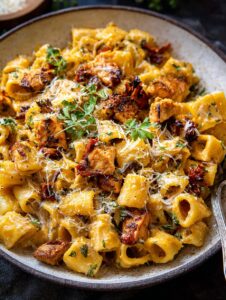
How I Fell for This Sheet Pan Lemon Balsamic Chicken (Potatoes and All)
Okay, so, you know how some recipes just sort of sneak their way onto your table more often than not? This was one of those total accidents — I tried it first when my cousin was coming over and I realized I’d forgotten to marinate anything (classic). Anyway, I just threw some chicken, potatoes, balsamic, and lemon together on a sheet pan, and, well, it was love at first bite. To be honest, I only barely measured the balsamic. The next day, my kid asked if we could have the “juicy chicken” again (which, frankly, softens the blow for all the times he’s turned his nose up at vegetables). For what it’s worth, this is one of those dinners that looks fancier than it is. Dead easy, not gonna lie. Oh, quick tip: don’t try this on an overcrowded tiny pan, unless you’re into steamed chicken (I’m not, thanks).

Why I Keep Making This (And Why I Think You’ll Love It)
I tend to make this when I just can’t face washing more than, like, one pan. Honestly, my family goes a little wild for the lemon sauce mixing with the potatoes – I mean, even my sometimes-picky partner licks the spoon and tolerates the onions. Plus, I can pop it in the oven and, I don’t know, fold a load of laundry or scroll through cat memes for half an hour. Also, it’s weirdly impressive for how little work you put in; people ask if I catered.
Oh, and the smell? If you’re trying to make your place cozy, this’ll make your kitchen smell like a fancy countryside inn (except with less hay, more garlic).
What You’ll Need (With a Bit of Wiggle Room)
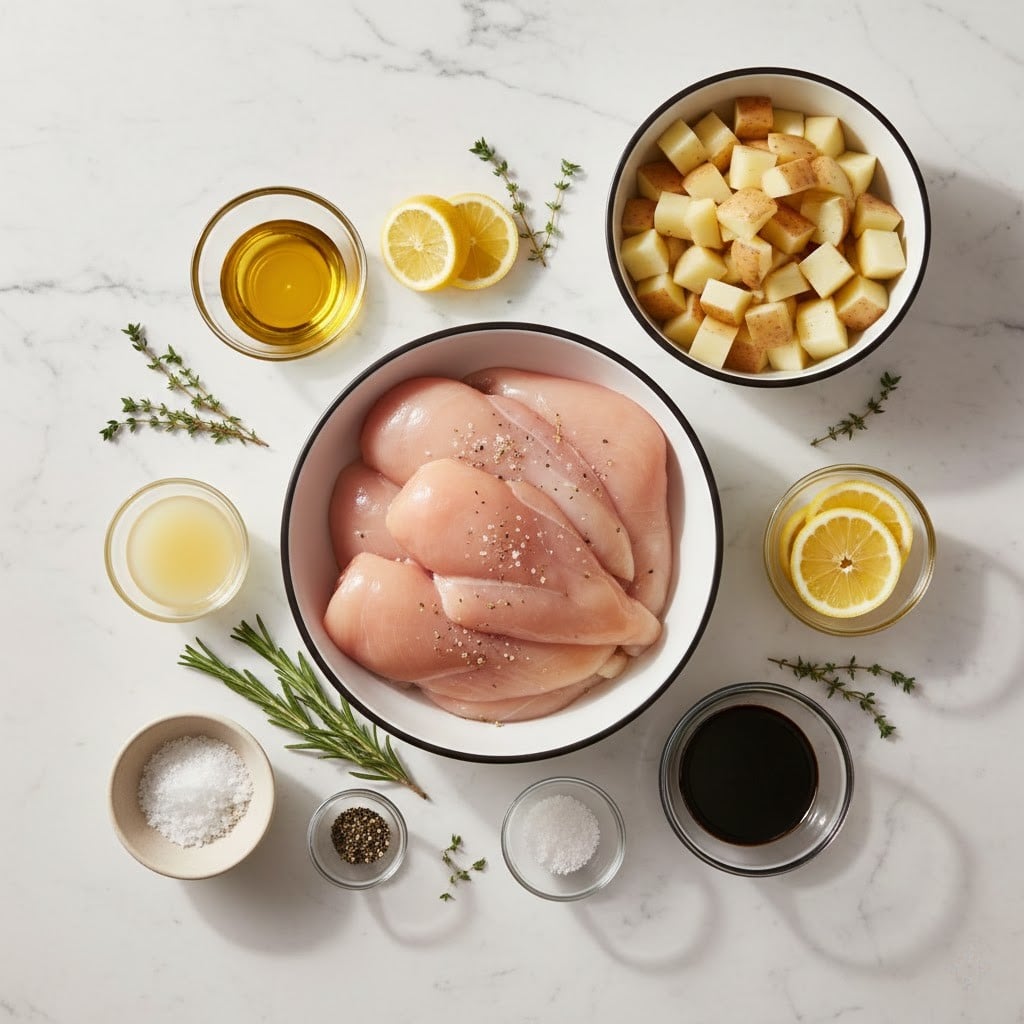
- Chicken thighs or breasts – about 4 big ones. I like skin-on, bone-in thighs for max juiciness, but honestly, I’ve used boneless breast when I forgot to defrost.
- Potatoes – 3 or 4 medium; Yukon Gold or even red ones work, but I’ve grabbed russets in a pinch (they’re fine!).
- Red onion – 1 large, sliced. My grandma swore by Vidalia, but I use whatever’s rolling around.
- Lemons – zest and juice of 1 (sometimes I go a little overboard and use 2, living dangerously)
- Balsamic vinegar – about 3 tablespoons. Store brand is honestly fine.
- Olive oil – 3 tablespoons or so. “Generous drizzle” is my usual measurement.
- Garlic – 3-4 cloves, smashed, or a big ol’ spoonful of the jar stuff if I’m in a rush
- Fresh thyme or rosemary – good handful (or just shake some dried stuff on, no shame in that game)
- Salt & pepper – as much as you like
- Optional: cherry tomatoes, carrots, or bell peppers – whatever’s on its last legs in the fridge
Here’s What I Do (And Little Moments I Get Distracted)
- Crank your oven up to 425°F (220°C). If your oven is as moody as mine, maybe give it a few bonus minutes just to be sure it’s actually hot.
- Grab your biggest sheet pan. Line it with parchment if you hate scrubbing (me, always) or just chuck everything on if you can’t be bothered.
- Slice the potatoes and onions – not too thick, maybe the width of your pinky. If your knife’s blunt, yeah, it’ll take longer (been there, done that). Toss ’em onto the pan.
- Add the chicken thighs. Tuck them right into the veggies, skin side up if you’re using skin-on. No one’s grading your chicken spacing.
- Mix up your marinade: in a mug (or whatever’s clean), whisk the olive oil, balsamic, garlic, lemon zest and juice, plenty of salt and pepper, and your herby fling of choice. If it splashes over the rim, that’s flavor, baby.
- Pour or brush marinade all over everything. Use your hands if you can’t find a brush. Just make sure everything gets a little saucy.
- Scatter any last-minute bonus veggies across the pan. Carrots sliced thin or hunks of bell pepper get jammed in the edges for color.
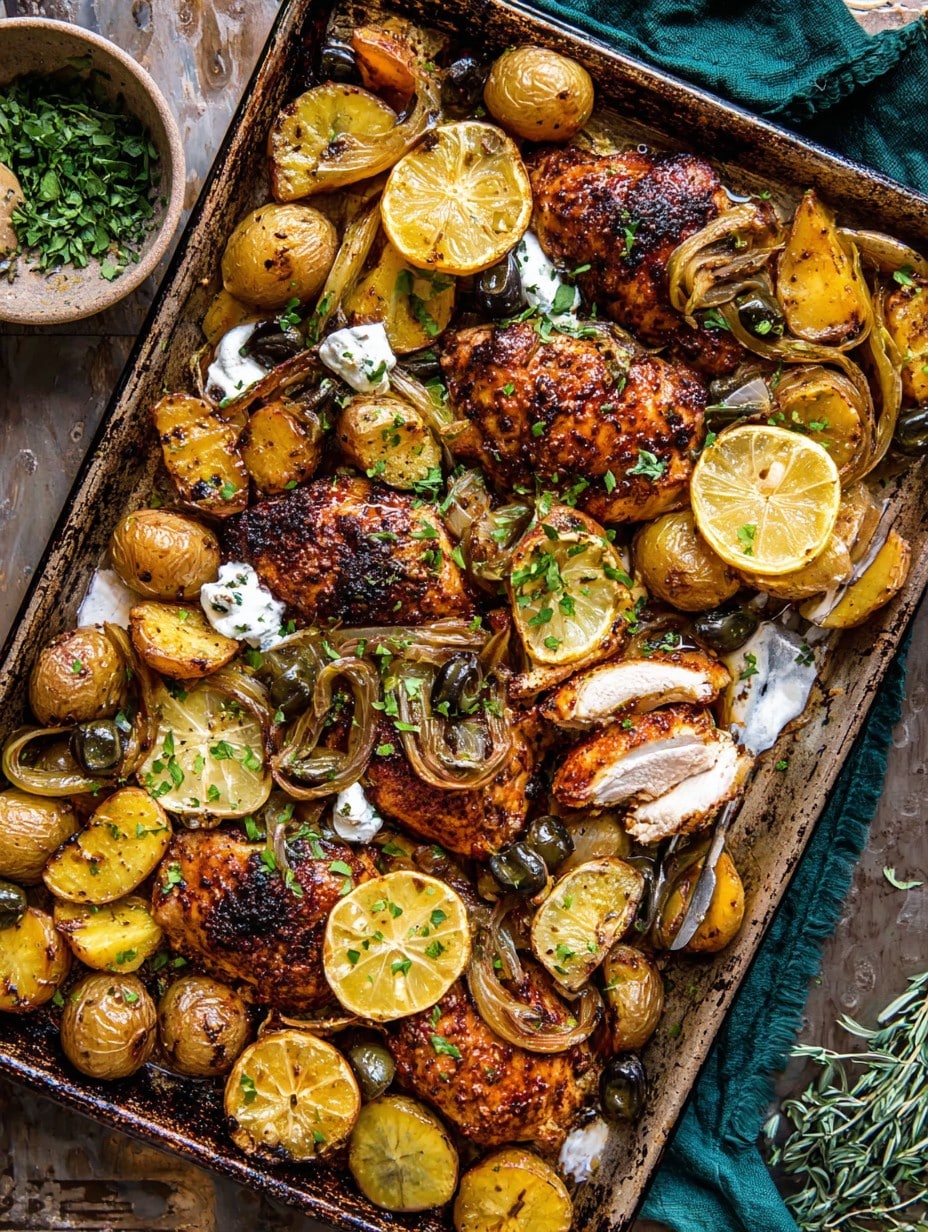
- Roast in the top third of your oven for about 30–40 minutes. At the 20-minute mark, I take a peek and give the potatoes a little scooch so nothing sticks…and maybe to snag a potato wedge (testing is important, right?). Chicken’s done when it’s got dark gold spots and your potatoes look crispy at the edges.
- Let it rest for 5-10 minutes (actually helps, pinky promise), then dig in. Beware: the pan’ll be hot, don’t get too eager like I sometimes do.
Random Things I’ve Learned (AKA My Cooking Notes)
- If you crowd the pan, things will steam, not roast. Though sometimes I ignore this and it’s fine, just less crispy.
- I tried pouring extra lemon on after baking once; it made it a bit too tangy for my taste. Maybe that’s just me.
- I used to peel the potatoes, but now I just scrub ’em – no one complained and it saves like five whole minutes.
- If you want those really crispy chicken skins, crank up the broiler for the last couple of minutes. Keep an eye on it though, because it goes from golden to oh-no in a heartbeat.
Variations I’ve Actually Tried (and a Fail)
I’ve swapped in sweet potatoes—makes it more autumnal, if you’re into that. Once I tried squash, but it got weird and mushy (wouldn’t recommend unless you like kind of baby-food texture). Sometimes I add a shake of smoked paprika for a twist, or a splash of honey to sweeten the balsamic if it feels extra sharp. Chicken drumsticks work, too, but the cooking time’s a little wobbly, so watch them!
What If I Don’t Have a Sheet Pan?
Sure, a classic half-sheet pan is ideal, but I’ve jammed everything in my ancient roasting tin more than once. Just don’t be surprised if your veggies stack up and get steamy (not the good crispy kind, but still tasty). Also, you can split things between two smaller pans if that’s what you’ve got; just rotate them halfway through, though I usually forget and it’s still fine.
How Do I Store Leftovers (Assuming a Miracle Occurs)?
I mean, in my house, it barely survives the night. But, on the rare occasion there’s extra, I pop it in a lidded container and pitch it in the fridge. Lasts about 3 days. The potatoes kinda soak up the extra sauce overnight, which—hear me out—makes them taste even better for lunch. Haven’t tried freezing, though. If you do, let me know how it goes, since I always run out before I can try.
What I Like to Serve This With (And You Could Too)
This is pretty much an all-in-one, but sometimes I go wild and add a big, messy green salad. Or some crusty bread (mainly so I can mop up those zingy pan juices). My cousin dunks hers in Greek yogurt, which sounded weird until I tried it and yeah, it slaps.
Pro Tips I Learned The Hard Way
- I once tried rushing the marinating step and regretted it—if you can let the chicken sit in the marinade for 15 minutes (even while the oven heats), the flavors go way deeper.
- Don’t forget to zest the lemon before you cut it. Ask me why…
- If you add tomatoes, put them on halfway through or they’ll disappear into mush (ask me how I know that one).
Actual Questions Friends Have Texted Me
- Can I use bottled lemon juice?
- Yep—absolutely, especially if you’re in a rush. But the zest from a real lemon kind of makes it pop. So I say do both when you can, but don’t stress over it.
- Is it ok if my chicken and potatoes touch?
- Totally fine, they’re supposed to. In fact, when everything mingles, the flavors get better. Just try not to stack things in two layers.
- Help! My chicken’s still pink after 35 minutes?
- Not a disaster! Sometimes bigger thighs just take longer, or maybe your oven’s running cold. Give it another 5–10 minutes and check again. Or slice the thickest piece to see if the juices run clear. (I get paranoid, too.)
- Can this be dairy-free?
- It already is! Just double check your balsamic label in case it’s got some weird additives. But it’s milk-free as written.
- Do I really have to use fresh herbs?
- Nope. Use dried. Or skip ‘em if you must. It’s still gonna be tasty.
Oh, and completely unrelated—but have you ever noticed how potatoes outnumber everyone at a family dinner? Always. Anyway…back to dinner. Enjoy your sheet pan lemon balsamic chicken and potatoes. That’s literally dinner sorted.
Ingredients
- 4 boneless skinless chicken breasts
- 1.5 pounds baby potatoes, halved
- 1 red onion, cut into wedges
- 1 lemon, zested and juiced
- 3 tablespoons balsamic vinegar
- 3 tablespoons olive oil
- 3 cloves garlic, minced
- 1 teaspoon dried oregano
- 1 teaspoon salt
- 1/2 teaspoon black pepper
- 2 tablespoons fresh parsley, chopped (for garnish)
Instructions
-
1Preheat the oven to 425°F (220°C) and line a large baking sheet with parchment paper.
-
2In a small bowl, whisk together the lemon zest, lemon juice, balsamic vinegar, olive oil, garlic, oregano, salt, and black pepper.
-
3Place chicken breasts, baby potatoes, and red onion wedges on the prepared baking sheet.
-
4Pour the lemon balsamic marinade over the chicken and vegetables, tossing everything to coat evenly.
-
5Roast in the preheated oven for 35 minutes, or until the chicken is cooked through and potatoes are golden and tender.
-
6Garnish with fresh parsley before serving. Serve hot and enjoy!
Approximate Information for One Serving
Nutrition Disclaimers
Number of total servings shown is approximate. Actual number of servings will depend on your preferred portion sizes.
Nutritional values shown are general guidelines and reflect information for 1 serving using the ingredients listed, not including any optional ingredients. Actual macros may vary slightly depending on specific brands and types of ingredients used.
To determine the weight of one serving, prepare the recipe as instructed. Weigh the finished recipe, then divide the weight of the finished recipe (not including the weight of the container the food is in) by the desired number of servings. Result will be the weight of one serving.
Did you make this recipe?
Please consider Pinning it!!