Let Me Tell You About This Biscoff Cake
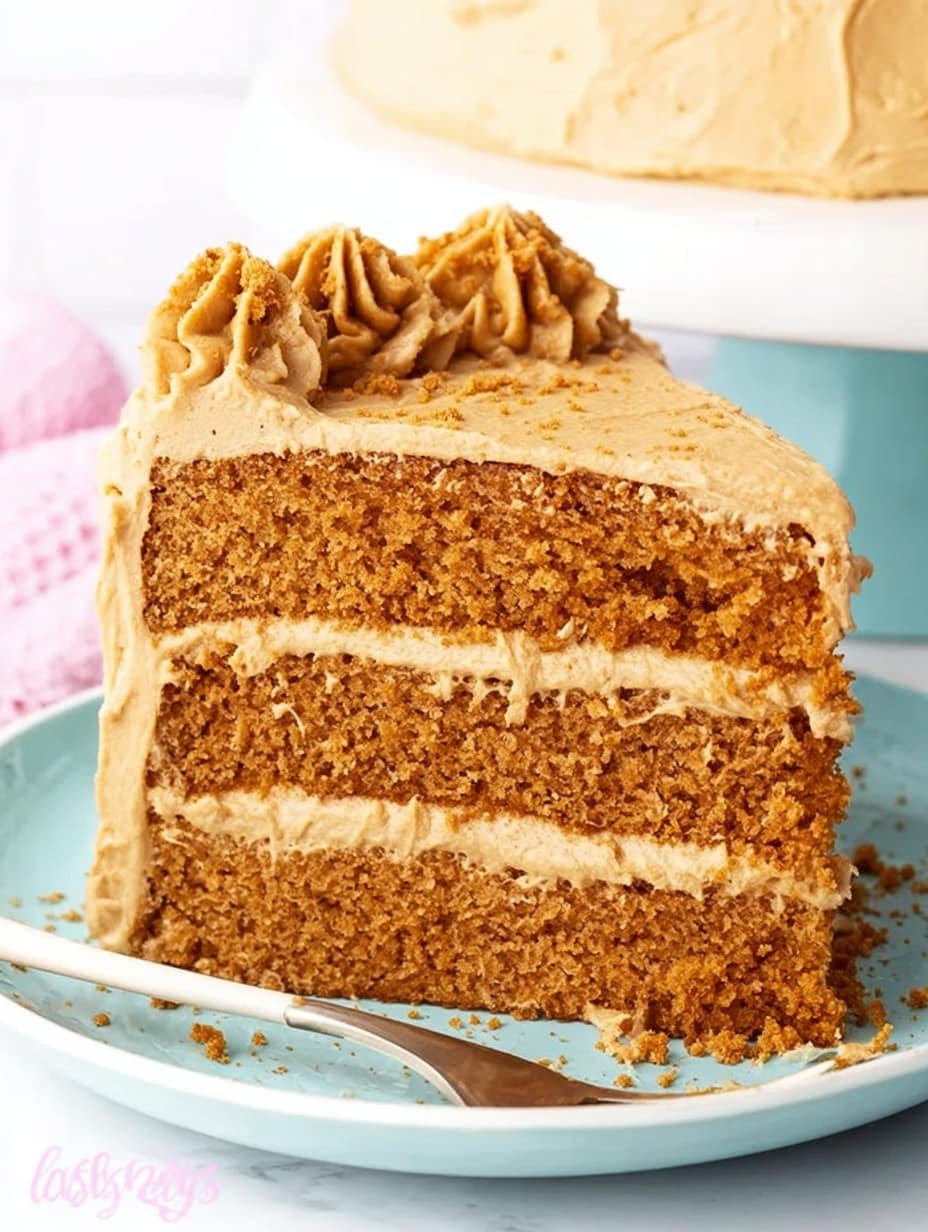
So, picture this: it’s Wednesday, you swore you wouldn’t eat dessert, and then you walk past those little Biscoff biscuits at the shop (dodged them, mostly), but the craving nags away at you until—fine—you cave. That’s basically how I started making this Biscoff Cake. I needed an excuse to eat Biscoff in all forms, not just straight from the jar with a spoon. Honestly, my first attempt was a bit of a circus: flour everywhere, I dropped a spatula in the batter, my dog tried to get a taste. But in the end, totally worth the mess. This one’s become my party piece. Even my mate who pretends not to like “fancy” cakes asked for seconds—it has that under-the-radar wow factor.
Why I Keep Coming Back to It
I make this when I want something that’s impressive but not fussy, plus everyone goes wild for it (even the neighbor’s kid who claims to hate anything “with spice”). Sometimes I just crave that caramelized, slightly spiced flavor after a long week. And okay, confession: once in a while, I make it just for myself and nibble slices straight from the fridge. I’ve had batches where the frosting sort of deflated on a humid day, but honestly, a generous drizzle of Biscoff on top covers up almost any wobble.
What’s In It? (Here’s What I Use…Sometimes)
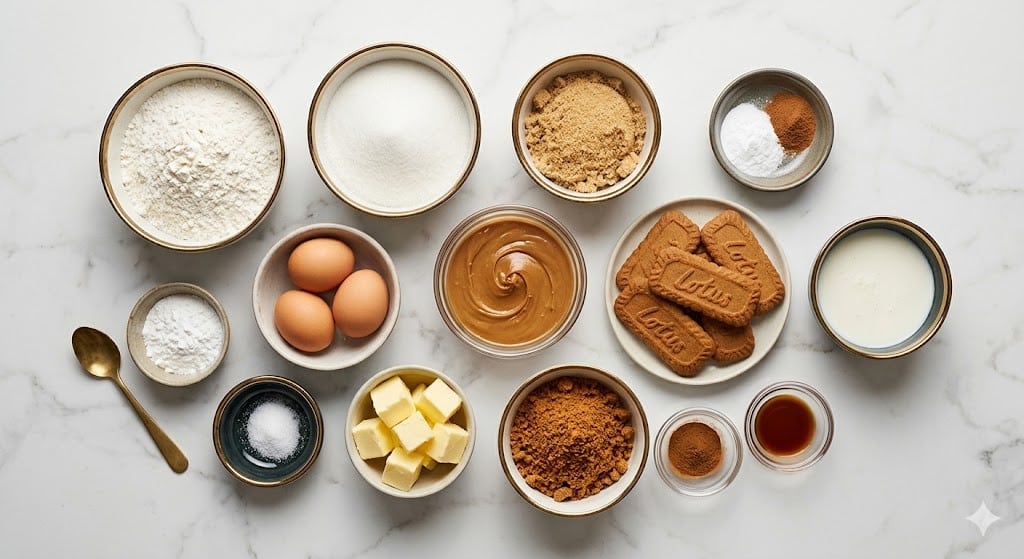
- 225g (2 sticks) unsalted butter, at room temp (I use salted if that’s all I’ve got; just skip the salt later)
- 220g (about 1 cup) light brown sugar (granulated is fine in a pinch—just changes the texture a bit)
- 4 large eggs
- 250g (about 2 cups) self-raising flour (honestly, I’ve used plain flour with 2 tsp baking powder and it was grand)
- 1 tsp ground cinnamon
- 1/2 tsp salt
- 75ml (about 1/3 cup) milk—whole or semi-skimmed, don’t fret
- 200g (about 3/4 cup) Biscoff spread (creamy version—crunchy adds a funny texture, but it’s not bad if you like a bit of crunch!)
- 6 Biscoff biscuits, roughly crumbled, plus extra for serving
- For the Frosting:
- 150g (2/3 cup) Biscoff spread
- 100g (3/4 cup) unsalted butter, soft
- 200g (about 1 2/3 cups) icing sugar
- 1-2 tbsp milk, if needed
Let’s Bake (You Don’t Need to Be Fussy)
- Prep the tins: Line two 8-inch (20cm) round cake tins with baking paper and grease them. Oven on at 170C (340F).
- Mix the batter: Cream butter and sugar till fluffy—get some tunes going, it takes a minute. Add eggs one at a time, beating after each. If it curdles, don’t panic; it evens out in the end.
- Sift in the flour, cinnamon, and salt. Fold in gently, alternating with the milk. You want a thick, smooth batter. If it looks a bit weird here (almost like it’s split), keep going—it comes together.
- Stir in the Biscoff spread (there’s the fun swirl!) and crumbled biscuits.
- Divide between tins. Bake for 25-30 mins—tops will be golden and a skewer comes out clean. Mine tend to rise like stubborn little mountains, so don’t fret about perfectly flat cakes.
- Cool in tins 5-10 mins, then onto a wire rack. (This is usually when I sneak a bit of the warm, crispy edge—baker’s rights!)
- Make the frosting: Beat butter and Biscoff spread till pale and creamy (you can totally do this by hand if you skip arm day). Gradually beat in icing sugar. If stiff, add milk, a little at a time. You want it spreadable, not runny.
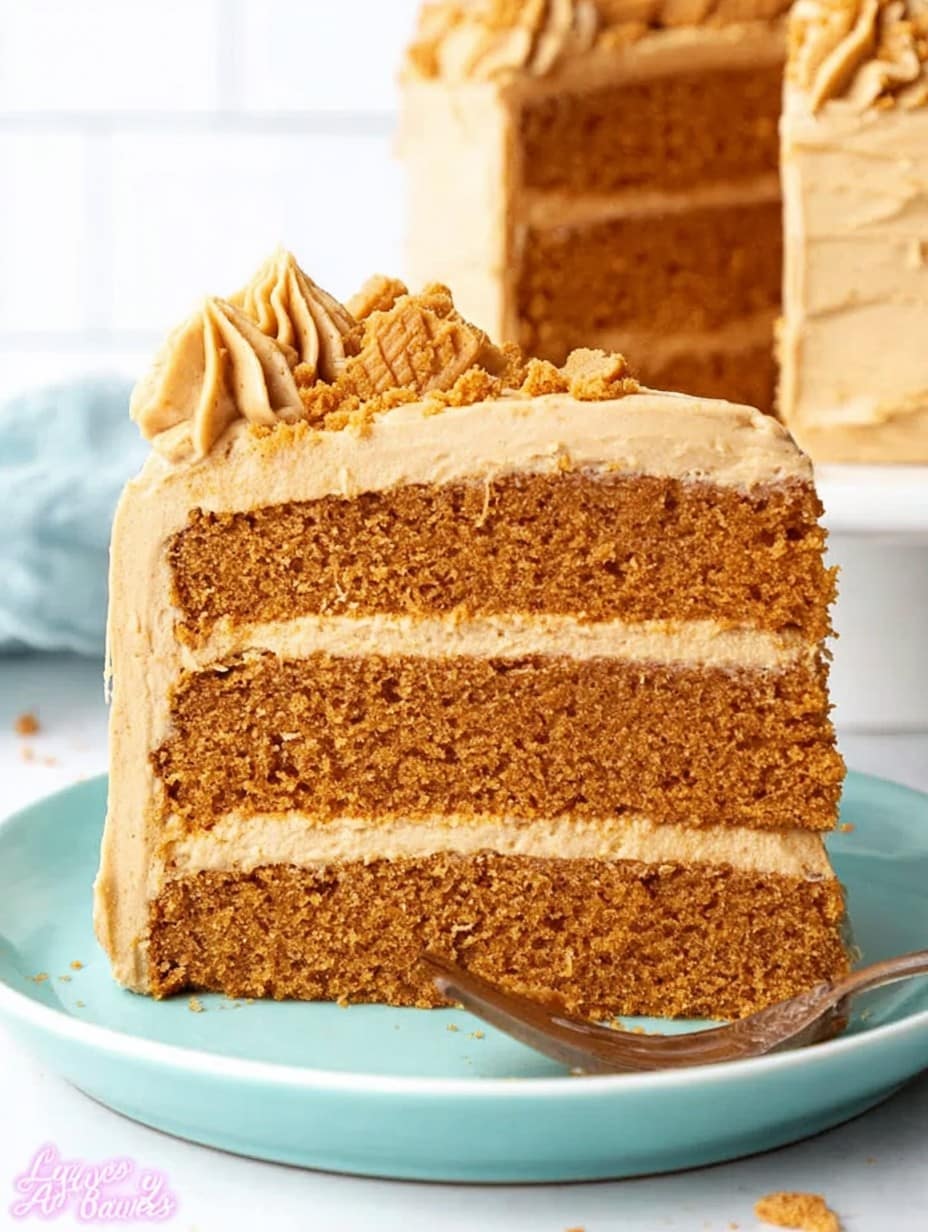
- Assemble: Sandwich the cakes with half the frosting. Dollop the rest on top. Swirl it around as artistically or chaotically as you like. Scatter over more crumbled biscuits for extra flair. Sometimes I melt a spoonful of Biscoff and drizzle—just because.
My Little Notes (Learned the Hard Way)
- Let those cakes cool, seriously. Once I iced too soon and it became a buttery Biscoff landslide. Still tasted good, mind you.
- Don’t skimp on mixing the butter and sugar. If you rush, the cake’s just not as light—can’t explain why, but it’s true.
- Store-bought icing sugar lumps? Sift it (unless you’re feeling lazy; in which case, enjoy some surprise crunch!).
Things I’ve Tried That Work (And Don’t Quite)
- Chocolate chips in the batter—delicious, but the Biscoff gets a bit overwhelmed (maybe use white choc instead).
- Swapping cinnamon for nutmeg is nice. Makes it feel much more autumn/wintry.
- I tried it with almond flour once, and, uh, it kind of collapsed. Maybe stick to regular flour if you can.
- I’ve layered it with whipped cream instead of Biscoff frosting—softer and less sweet, but everyone missed the Biscoff punch.
Gear I Use (But Don’t Stress If You Don’t Have It All)
- Two 8-inch round cake tins (if you’ve only got one, just bake in batches—done it loads of times)
- An electric mixer (hand-held or stand—but a good old wooden spoon works too if you’re feeling retro)
- A wire rack for cooling (or honestly, the top of a toaster or even a clean grill tray does the trick)
Storing (If You Have Leftovers—Ha!)
Keep it airtight at room temp for a day, or in the fridge for up to 4 days. I think it tastes even better chilled the next day, honestly. But in my house…not much ever lasts that long; I’ve seen it vanish overnight (thanks, teenage appetite!).
How I Like to Serve It
Coffee and a hefty wedge of this cake is my idea of heaven. Sometimes for a fancy brunch, I’ll stick a scoop of vanilla ice cream on top—my aunt puts whipped cream and a couple whole biscuits standing up like trophies. Oh! And once I let my niece decorate hers with chocolate chips and rainbow sprinkles. Not traditional, but it made her day.
Pro Tips (Learn From My Fails, Please)
- If you try to frost this while the cake’s even a little warm, it gets messy and the icing slides right off—been there, covered in a sticky mess.
- Actually, I find it works better if you chill the cake layers for 10 minutes before assembling. Makes the frosting set more easily!
- If you’re in a rush, you can use store-bought Biscoff frosting, but making your own is so much better. I tried the shortcut; kinda regretted it.
FAQ (Stuff People Have Actually Asked Me)
- “Can I make this in one big tin?”
Yeah, just extend the baking time by 10-15 minutes—don’t stress, just check with a skewer. The middle stays soft longer in a big tin. - “Is it okay to use crunchy Biscoff spread?”
Sure thing! Actually, some folks love the crunch. I prefer creamy for the frosting, though. - “Can you freeze Biscoff Cake?”
Yep, freeze the unfrosted layers wrapped tight. Defrost, then frost. The texture is maybe a tiny bit different, but still tasty. - “Do I have to use self-raising flour?”
Nope, use plain flour + 2 tsp baking powder. My nan would probably argue with me, but I promise it works fine. - “Mine sank in the middle—what gives?”
Probably underbaked or opened the door too early. But hey, just add extra frosting—no one will ever know.
There you go—a Biscoff cake that’s a bit more real and fun, not a stressy showstopper. Now, if you’ll excuse me, I think there’s a slice calling me form the kitchen…
Ingredients
- 225g (2 sticks) unsalted butter, at room temp (I use salted if that’s all I’ve got; just skip the salt later)
- 220g (about 1 cup) light brown sugar (granulated is fine in a pinch—just changes the texture a bit)
- 4 large eggs
- 250g (about 2 cups) self-raising flour (honestly, I’ve used plain flour with 2 tsp baking powder and it was grand)
- 1 tsp ground cinnamon
- 1/2 tsp salt
- 75ml (about 1/3 cup) milk—whole or semi-skimmed, don’t fret
- 200g (about 3/4 cup) Biscoff spread (creamy version—crunchy adds a funny texture, but it’s not bad if you like a bit of crunch!)
- 6 Biscoff biscuits, roughly crumbled, plus extra for serving
- For the Frosting:
- 150g (2/3 cup) Biscoff spread
- 100g (3/4 cup) unsalted butter, soft
- 200g (about 1 2/3 cups) icing sugar
- 1-2 tbsp milk, if needed
Instructions
-
1Prep the tins: Line two 8-inch (20cm) round cake tins with baking paper and grease them. Oven on at 170C (340F).
-
2Mix the batter: Cream butter and sugar till fluffy—get some tunes going, it takes a minute. Add eggs one at a time, beating after each. If it curdles, don’t panic; it evens out in the end.
-
3Sift in the flour, cinnamon, and salt. Fold in gently, alternating with the milk. You want a thick, smooth batter. If it looks a bit weird here (almost like it’s split), keep going—it comes together.
-
4Stir in the Biscoff spread (there’s the fun swirl!) and crumbled biscuits.
-
5Divide between tins. Bake for 25-30 mins—tops will be golden and a skewer comes out clean. Mine tend to rise like stubborn little mountains, so don’t fret about perfectly flat cakes.
-
6Cool in tins 5-10 mins, then onto a wire rack. (This is usually when I sneak a bit of the warm, crispy edge—baker’s rights!)
-
7Make the frosting: Beat butter and Biscoff spread till pale and creamy (you can totally do this by hand if you skip arm day). Gradually beat in icing sugar. If stiff, add milk, a little at a time. You want it spreadable, not runny.
-
8Assemble: Sandwich the cakes with half the frosting. Dollop the rest on top. Swirl it around as artistically or chaotically as you like. Scatter over more crumbled biscuits for extra flair. Sometimes I melt a spoonful of Biscoff and drizzle—just because.
Approximate Information for One Serving
Nutrition Disclaimers
Number of total servings shown is approximate. Actual number of servings will depend on your preferred portion sizes.
Nutritional values shown are general guidelines and reflect information for 1 serving using the ingredients listed, not including any optional ingredients. Actual macros may vary slightly depending on specific brands and types of ingredients used.
To determine the weight of one serving, prepare the recipe as instructed. Weigh the finished recipe, then divide the weight of the finished recipe (not including the weight of the container the food is in) by the desired number of servings. Result will be the weight of one serving.
Did you make this recipe?
Please consider Pinning it!