So, Filipino Pork Adobo—This Is How I Do It (Most of the Time!)
Alright, friend, let’s talk Filipino Pork Adobo. The thing is, I grew up with the rich, garlicky aroma swirling through my kitchen—sometimes sneaking up the staircase and making my brother grumble he was “starving” (it was only 11 am). One time, I even tried adding extra vinegar because, I don’t know, I was feeling bold… let’s just say, it was more like a cleaning solution than dinner, but hey, you live and learn, right? If I had a dollar for every time my sister said, “Adobo again?” but then scraped her plate clean, I’d have enough to buy a lifetime supply of soy sauce.

Why I Keep Coming Back to This Dish
I make this whenever I want the house to actually smell like we’re having a proper meal (rather than microwave leftovers, which is what sometimes happens on busy nights). My family goes wild for this, especially if I toss in a little extra garlic. Even my picky nephew gives it the thumbs up—well, unless I go too heavy on the peppercorns, then I get the look. But it’s forgiving, you know? That’s the thing about pork adobo. Messy schedules, wandering attention spans, or the time I realized I was out of regular vinegar and used apple cider—it’s like it can handle all of that.
(On a bad day, nothing beats that first mouthful over a heap of rice. I swear my troubles shrink by at least half!)
Let’s Talk Ingredients (With My Honest Swaps)
- 2 pounds pork shoulder or belly, chopped into chunks (if money’s tight, pork butt works pretty well too; my auntie insists belly is the “real way,” but I just grab what’s on sale)
- 1/2 cup soy sauce (my grandmother would only use Silver Swan, but really, Kikkoman is fine in a pinch)
- 1/2 cup vinegar (cane vinegar is best, in my humble opinion, but white vinegar will do if that’s all you’ve got)
- 6 cloves garlic, smashed (sometimes I get lazy and use the jarred stuff—no judgment)
- 2-3 bay leaves (I once skipped these & nothing tragic happened… but the flavor’s better with them)
- 1 teaspoon whole black peppercorns (or just ground pepper, let’s be honest, I can’t always find the whole kind)
- 1 tablespoon sugar (brown sugar if you’ve got it – white works too, or just skip if you like it more tart)
- 1 cup water (sometimes less if I want it more saucy-thick)
- Optional: a splash of fish sauce for extra oomph (smells strong but tastes great, I think)
- Bonus: toss in a diced potato or some hard-boiled eggs if you want – not traditional, but I won’t tell
How I Actually Cook This (Go-With-the-Flow Style)
- First, plop your pork pieces in a wide-ish pot (I use my half-chipped Dutch oven—use what you’ve got). Throw in garlic, bay leaves, peppercorns, and give it all a little tumble around.
- Pour in your soy sauce and vinegar, then add water so the pork is just about covered. Stare at it for a sec because it’s gonna look odd—totally normal.
- Turn on the stove (medium heat, nothing fancy); bring it to a gentle boil. Here’s where I usually wander off and then rush back; don’t do that.
- Once it’s bubbling, skim off the foam (or don’t—some days I skip it, to be honest) and drop the heat to a low simmer. Add the sugar. Leave the lid slightly askew—I’m never sure why, but my mom always did that.
- Let it cook for about an hour, stirring every so often. Ok, maybe peek at 45 minutes if your pork is in smaller bits. This is when I sneak a taste (bonus: house smells heavenly now).
- If the sauce is too thin for you, take the lid off for the last 15 minutes so it thickens up. Or, if you like things saucy, leave it be.
- Fish out the bay leaves (or just warn everyone at the table). Adjust seasoning—usually just an extra splash of vinegar or a bit more sugar. Up to you!
Notes From the School of Hard Knocks
- I’ve tried marinating before cooking—sometimes for a few hours, sometimes overnight; honestly, can’t always tell the difference, but fancy chefs swear by it.
- Some recipes say to brown the meat first. I occasionally do it, but most of the time, I just can’t be bothered, and the flavor still works!
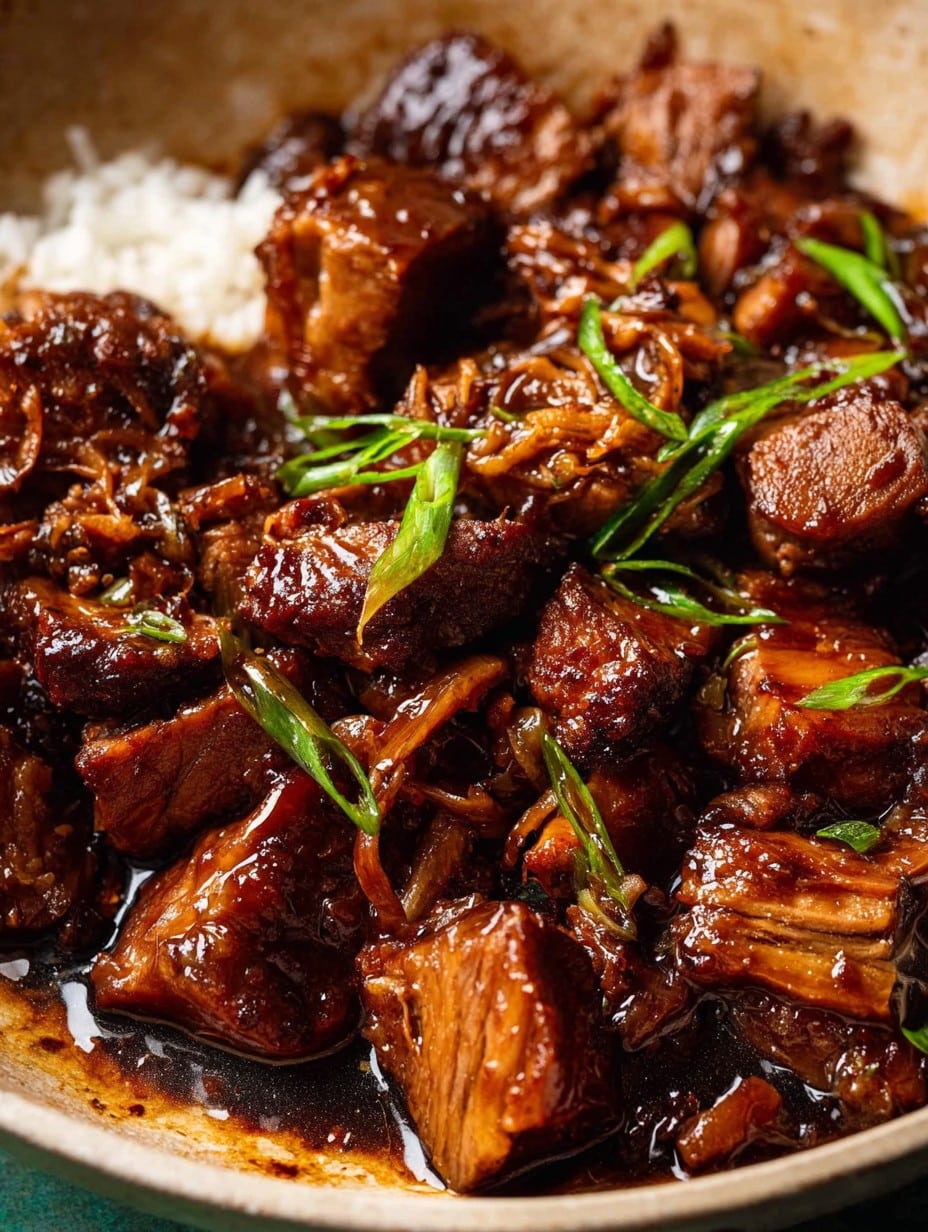
- I once overcooked it so badly the pork shredded into confetti. Still tasted alright; just more like pulled pork adobo.
If You Want to Mix It Up—Tried and Slightly Failed Experiments
- Chicken and pork combo: works great. Gets rave reviews from skeptical relatives.
- Swapping in coconut milk: not for me. Made it strangely sweet and I dunno, just didn’t hit the same spot. Maybe it’s your thing though?
- Adding potatoes: thumbs up from my carb-loving cousin. (Never tried sweet potato—should I?)
- Used cider vinegar once when out of white. Gave a nice tang. Might do it again… or not.
What You’ll Need—But Don’t Stress If You Don’t Have Everything
- Wide, heavy pot or Dutch oven (my favorite, but a deep skillet honestly works just fine)
- Slotted spoon (or, if you’re like me and always lose it, any old spoon will do)
- Measuring cups, or a “good eye”—I routinely use a juice glass instead
If you don’t have a lid, a baking sheet on top of the pot works in a pinch. (Just don’t burn yourself, like that one time I… well, never mind.)
How I Keep Leftovers (If There Are Any)
Technically, you can stick adobo in the fridge for up to 4 days, or in the freezer for at least a couple months. But honestly? In my house it never survives the next day unless I hide it (which I sometimes do, not sorry). If you reheat it, I kinda think it tastes even better—like beans on toast, or chili, you know?
How We Serve It (Totally Non-Fancy)
Always with a mountain of white rice. No need for fancy sides (except maybe some sliced cucumber if I want to feel healthy). My cousin actually piles it onto Pandesal for a late-night snack. I’ve even seen people eat it over garlic fried rice for breakfast, which is honestly genius.
Lessons I Learned the Hard Way—A Few Pro Tips
- Don’t rush the simmering—tried cranking the heat once, and the pork got tough as old boots. Not worth it!
- Too much vinegar right at the start can make it weirdly sharp. I usually start with less, then taste and add more if I’m feeling brave.
- If the sauce gets too salty (happens), don’t panic—just add a splash of water or a tiny bit of sugar, fixes it right up.
- Actually, letting it sit for a few hours (or overnight) really does make the flavors better. Who knew?
What Folks (Okay, Mostly My Family) Always Ask Me
Q: Can I use chicken instead of pork?
Oh, definitely! Chicken thighs are my go-to when I’m trying to pretend we eat healthier. Just keep an eye on the cooking time—less is more.
Q: Do I really need whole peppercorns?
Honestly, no. If all you have is ground pepper, toss it in. Just don’t, you know, dump in half the jar unless you want a sneezing fit at the table (which has happened to me before).
Q: Why does my adobo taste different every time?
Join the club! Some days it’s more garlicky, some days the pork is meltingly soft. Maybe it’s the soy sauce, maybe it’s just the mood? That’s kind of the fun of it.
Q: Can I skip the sugar?
Yep, skip it if you like a more acidic taste. I find a tiny bit rounds everything out, but you do you.
Q: What if my adobo is too sour?
Been there! Add a touch more soy sauce or sugar. Or pile on more rice. Actually, on second thought, just invite someone who likes tart food over.
Q: I have no bay leaves—help?
No worries at all. It’ll still taste amazing. Maybe toss in a pinch of thyme if you’re feeling wild.
And before I forget—if you spill vinegar on the counter, don’t wipe it with your sleeve (looking at myself here).
Ingredients
- 2 lbs pork shoulder, cut into cubes
- 1/2 cup soy sauce
- 1/3 cup white vinegar
- 6 cloves garlic, minced
- 2 bay leaves
- 1 teaspoon whole black peppercorns
- 1 tablespoon cooking oil
- 1 cup water
- 1 tablespoon brown sugar (optional)
- Salt to taste
Instructions
-
1In a large bowl, combine pork, soy sauce, and half of the minced garlic. Mix well and marinate for at least 30 minutes.
-
2Heat oil in a heavy pot over medium heat. Add the remaining garlic and sauté until fragrant.
-
3Add the marinated pork (including marinade) and cook until the pork is lightly browned on all sides.
-
4Pour in the vinegar and let it boil without stirring for 2 minutes. Add water, bay leaves, peppercorns, and brown sugar (if using).
-
5Cover and simmer over low heat for 45-50 minutes, or until pork is tender and sauce is slightly reduced. Season with salt to taste.
-
6Serve hot with steamed rice.
Approximate Information for One Serving
Nutrition Disclaimers
Number of total servings shown is approximate. Actual number of servings will depend on your preferred portion sizes.
Nutritional values shown are general guidelines and reflect information for 1 serving using the ingredients listed, not including any optional ingredients. Actual macros may vary slightly depending on specific brands and types of ingredients used.
To determine the weight of one serving, prepare the recipe as instructed. Weigh the finished recipe, then divide the weight of the finished recipe (not including the weight of the container the food is in) by the desired number of servings. Result will be the weight of one serving.
Did you make this recipe?
Please consider Pinning it!!