If you’ve never made Portuguese Grilled Chicken at home, let me just say—boy, you’re in for a treat. The first time I cooked this, I managed to scare the neighbor’s cat (with my very enthusiastic grilling) and slightly charred my knuckles, but honestly, every mishap was worth it for that smoky, spicy, addictive chicken. Every time I make it, I think of summer evenings, flip-flops, someone inevitably spilling lemonade, and laughing at my apron covered in more marinade than the chicken.
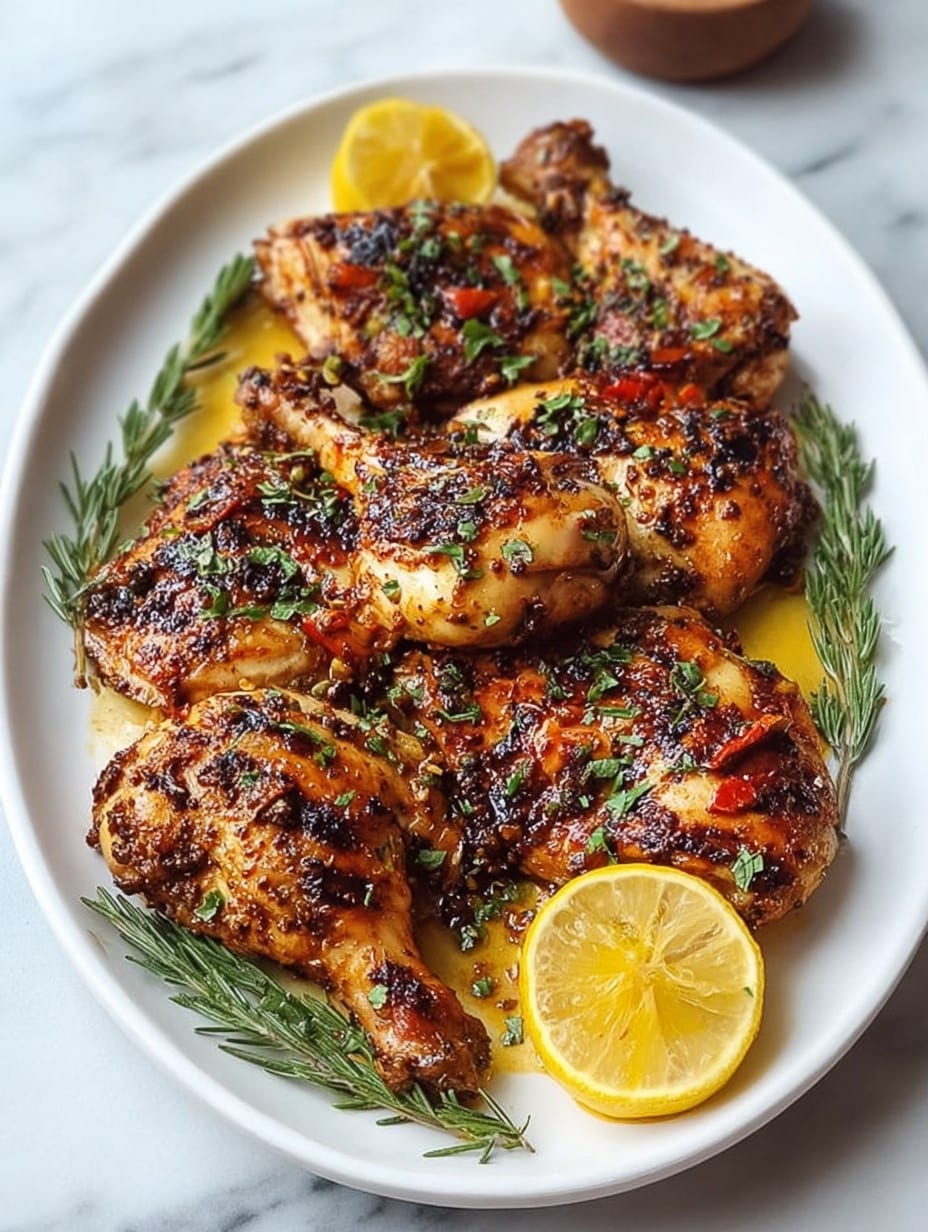
Why You’ll Love This Recipe
I make this when the weather finally warms up—grilling season, folks! My family basically lines up at the back door as soon as they smell the marinade. The best bit? You don’t need fifty spices or a degree in culinary arts. (And if you’re like me and sometimes lose patience with fussy recipes, rejoice!) My personal frustration used to be dry chicken, but after a zillion tweaks, this method hasn’t let me down. Well, unless you count the time I tried it with tofu. Let’s not talk about that.
What You’ll Need (Ingredients—But With Options!)
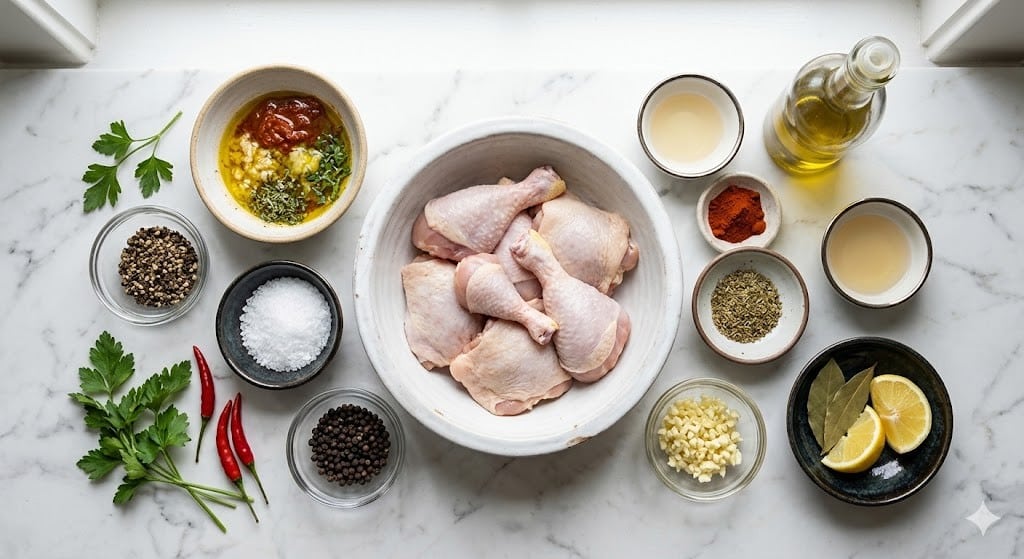
- 1 whole chicken, spatchcocked (about 3.5 lbs; sometimes I just grab thighs if that’s what’s in the freezer)
- 4 cloves garlic, crushed (my aunt says more is better, so trust your gut)
- 2 tablespoons sweet paprika (smoked works too—actually, it’s fantastic)
- 1 teaspoon cayenne pepper (skip or halve if the kids are eating, or swap for chili flakes)
- 2 teaspoons coarse sea salt (honestly, table salt does the job if needed)
- 1 teaspoon freshly ground black pepper
- 2 tablespoons olive oil (I sometimes use sunflower oil in a pinch, don’t judge!)
- Juice of 1 lemon (shh, bottle lemon works, but don’t tell Nuno from the corner shop I said that)
- 1 tablespoon white wine vinegar (or skip it, if you hate vinegar, I won’t tell anyone)
- 1/2 teaspoon sugar (sometimes I forget this, but it’s actually nice)
- Handful of chopped fresh parsley, to finish (not essential, but looks fancy)
How To Make This (My Slightly Chaotic Instructions)
- First, prep your chicken. Spatchcock it if you want even grilling—there are YouTube videos for that, but honestly, I just flatten it out and call it done. Or use just thighs or drumsticks if that’s easier. Pat dry, no need for perfection.
- Mix up the marinade in a roomy bowl: garlic, paprika, cayenne, salt, black pepper, olive oil, lemon juice, vinegar, and sugar. Give it a really good stir. (This is where I usually sneak a taste—raw marinade is fine to taste, right? Right?)
- Rub the marinade all over the chicken—get under the skin if you’re feeling ambitious. Put it in a big zip-top bag or just cover the bowl. Let it sit for at least 2 hours, but overnight is magic. If you forget, 30 minutes in a pinch isn’t the end of the world.
- Preheat your grill to medium-high. Oil the grates (I sometimes forget, and yes, you end up with some stylish grill marks…on the grill, not the chicken).
- Place the chicken skin-side down. Grill for 10–15 minutes, then flip and cook 15–25 minutes more—watch out for flare-ups! Chicken should have dark charred bits but not look like it’s from a coal mine. Juices run clear? Good to go. I go rogue sometimes and finish it in the oven if it gets too smoky. Not traditional, but hey, it works.
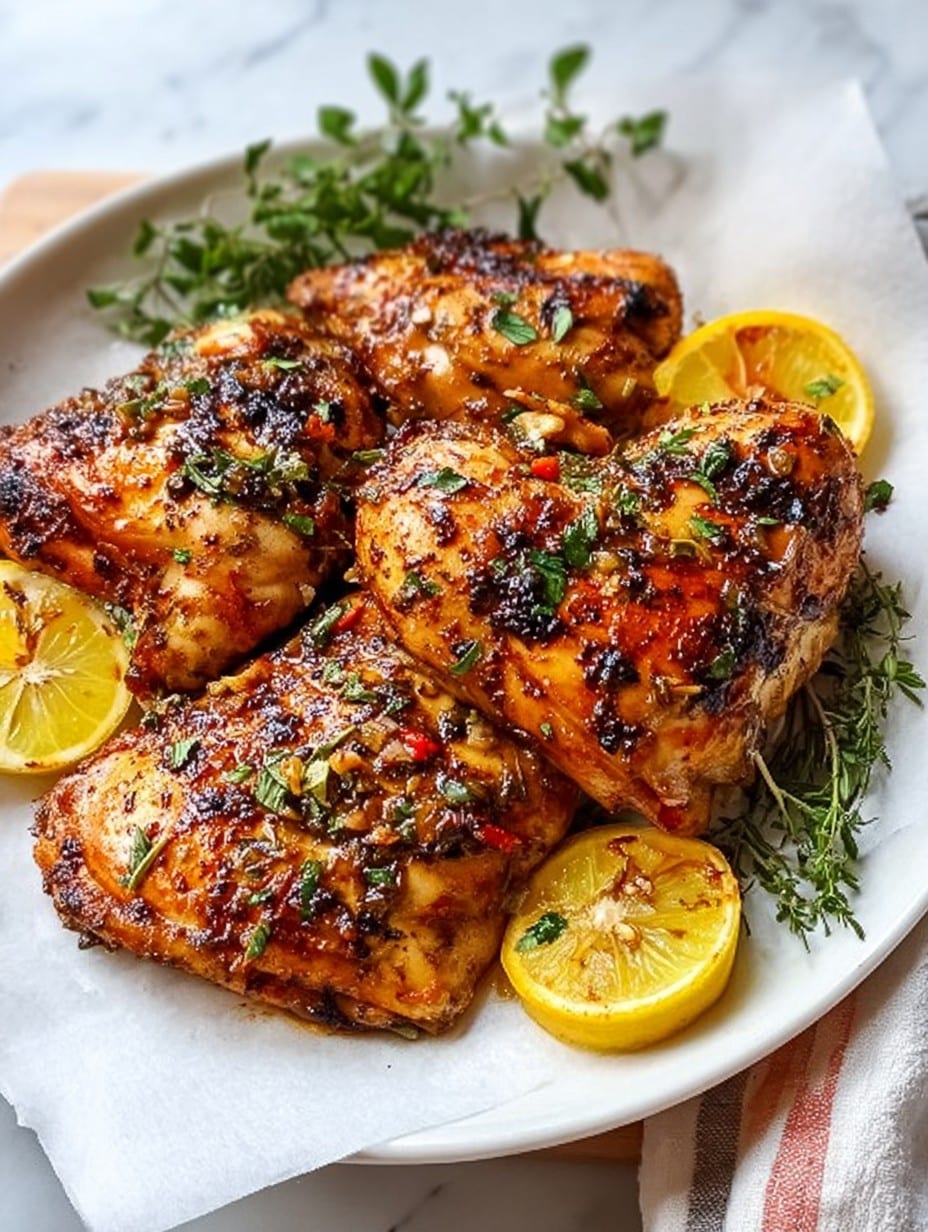
- Let rest for 5 minutes before hacking it up—honestly, letting it rest is the hardest part. Garnish with parsley if you remembered to buy it. (I usually forget and end up using cilantro, which is…controversial.)
Some Notes From Experience
- Once, I marinated the chicken for only 20 minutes and it was still good, so don’t sweat it too much. Longer does make it juicier, though.
- If your grill is an antique like mine, beware of random hot spots. I just move the chicken around a bit. No shame in using an oven instead!
- Too spicy? Use half the cayenne. Not spicy enough? Try a little hot sauce in your marinade. (Piri piri sauce is classic, but I use what’s around.)
Variations I’ve Actually Tried
- Subbing smoked paprika for sweet: A++, will do again.
- Tried it with tofu—don’t, just…don’t. Goes weird and chewy (unless you like that?)
- Sometimes I add a splash of orange juice instead of vinegar for something sweeter. My son claims it’s “better.” Honestly, he just likes orange juice.
Equipment (Or “Don’t Worry If You Don’t Have a Grill”)
- An outdoor grill is ideal, but I’ve made this on a grill pan indoors—crank up the fan, it’ll get smoky. Ah well, that just means you’re doing it right.
- A sharp knife for spatchcocking, although in a pinch, poultry shears (or that weird old pair of kitchen scissors) can do the trick.
How To Store (If You Even Have Leftovers)
Stick leftovers in an airtight container in the fridge. Should last a few days, though honestly, in my house it never lasts more than a day! Sometimes I think the leftovers are even better cold, straight from the fridge (don’t judge).
How I Like To Serve It
We usually go family-style: pile of hot crisp fries, some sliced tomatoes, and a too-big bowl of salad. My uncle swears by bread for sauce-mopping (he’s right), and sometimes there’s a sneaky bottle of Vinho Verde hanging around, too.
Lessons I’ve Learned (A.K.A. Pro Tips)
- Once I tried rushing the resting time and, oof, all the juices ran out. Really regret that. So yes, trust me, let it sit.
- Don’t go too heavy on the cayenne the first time. It’s easier to add heat after than to watch folks gulping water at dinner.
- Actually, I find keeping the skin on means juicier meat—even if you’re planning to peel it off after (no judgment, I do it sometimes too).
Answering Your (Most Frequent) Questions
- Can I use boneless chicken breasts? You can, but they dry out very fast, so keep an eagle eye, and skip the high heat part.
- Do I need to marinate overnight? Not strictly—honestly, 2 hours gets you about 80% there. If you wanna win a gold star, sure, do it overnight.
- How spicy is it? Mild-medium, unless you go wild with the cayenne. I dial it up when the kids aren’t home.
- Grill broke, can I use the oven? Yep, and actually, it’s easier to monitor. Broil for a few minutes at the end if you want charring, but watch like a hawk!
- I don’t have white wine vinegar—what else? Apple cider vinegar works, or skip it, and up the lemon a smidge. The internet will never know.
And, you know, sometimes I think the marinade smells so good I could bottle it as a weird artisanal perfume. (Don’t actually try that though.) Enjoy—and let me know if you accidentally startle any pets while grilling, too.
Ingredients
- 1 whole chicken, spatchcocked (about 3.5 lbs; sometimes I just grab thighs if that’s what’s in the freezer)
- 4 cloves garlic, crushed (my aunt says more is better, so trust your gut)
- 2 tablespoons sweet paprika (smoked works too—actually, it’s fantastic)
- 1 teaspoon cayenne pepper (skip or halve if the kids are eating, or swap for chili flakes)
- 2 teaspoons coarse sea salt (honestly, table salt does the job if needed)
- 1 teaspoon freshly ground black pepper
- 2 tablespoons olive oil (I sometimes use sunflower oil in a pinch, don’t judge!)
- Juice of 1 lemon (shh, bottle lemon works, but don’t tell Nuno from the corner shop I said that)
- 1 tablespoon white wine vinegar (or skip it, if you hate vinegar, I won’t tell anyone)
- 1/2 teaspoon sugar (sometimes I forget this, but it’s actually nice)
- Handful of chopped fresh parsley, to finish (not essential, but looks fancy)
Instructions
-
1First, prep your chicken. Spatchcock it if you want even grilling—there are YouTube videos for that, but honestly, I just flatten it out and call it done. Or use just thighs or drumsticks if that’s easier. Pat dry, no need for perfection.
-
2Mix up the marinade in a roomy bowl: garlic, paprika, cayenne, salt, black pepper, olive oil, lemon juice, vinegar, and sugar. Give it a really good stir. (This is where I usually sneak a taste—raw marinade is fine to taste, right? Right?)
-
3Rub the marinade all over the chicken—get under the skin if you’re feeling ambitious. Put it in a big zip-top bag or just cover the bowl. Let it sit for at least 2 hours, but overnight is magic. If you forget, 30 minutes in a pinch isn’t the end of the world.
-
4Preheat your grill to medium-high. Oil the grates (I sometimes forget, and yes, you end up with some stylish grill marks…on the grill, not the chicken).
-
5Place the chicken skin-side down. Grill for 10–15 minutes, then flip and cook 15–25 minutes more—watch out for flare-ups! Chicken should have dark charred bits but not look like it’s from a coal mine. Juices run clear? Good to go. I go rogue sometimes and finish it in the oven if it gets too smoky. Not traditional, but hey, it works.
-
6Let rest for 5 minutes before hacking it up—honestly, letting it rest is the hardest part. Garnish with parsley if you remembered to buy it. (I usually forget and end up using cilantro, which is…controversial.)
Approximate Information for One Serving
Nutrition Disclaimers
Number of total servings shown is approximate. Actual number of servings will depend on your preferred portion sizes.
Nutritional values shown are general guidelines and reflect information for 1 serving using the ingredients listed, not including any optional ingredients. Actual macros may vary slightly depending on specific brands and types of ingredients used.
To determine the weight of one serving, prepare the recipe as instructed. Weigh the finished recipe, then divide the weight of the finished recipe (not including the weight of the container the food is in) by the desired number of servings. Result will be the weight of one serving.
Did you make this recipe?
Please consider Pinning it!