Let’s Talk About Red-Wine Pasta—A Real Cozy Favorite
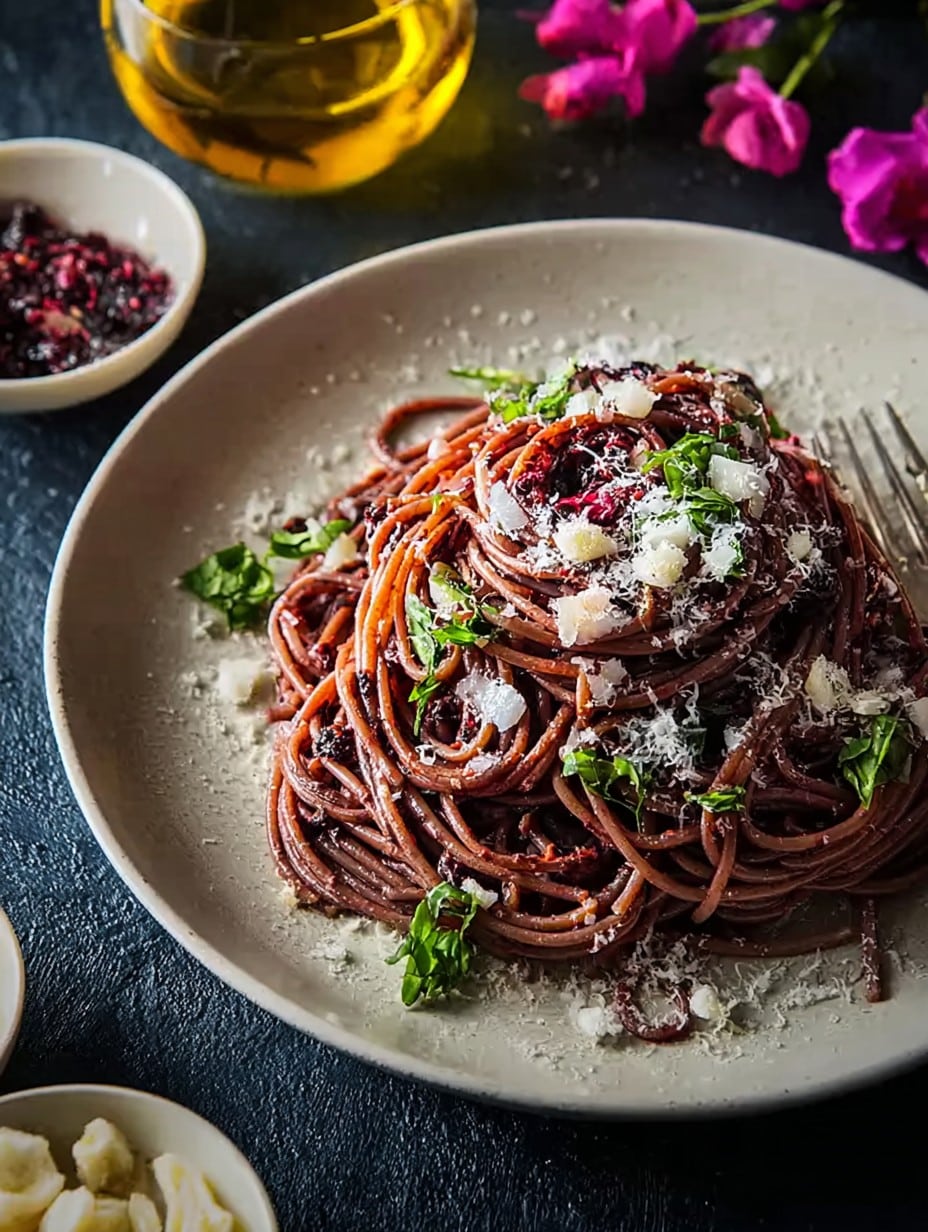
I have to tell you, the first time I made red-wine pasta, I was mostly just trying to impress someone. (Spoiler: he’s now my husband.) I was worried the noodles would turn out purple, or worse, taste like someone dumped a glass of Merlot into Chef Boyardee. Thankfully, it’s nothing like that; it’s somehow both fancy and comforting, and the kitchen smells like an Italian grandma’s house—even if your actual grandma cooked meatloaf from a box.
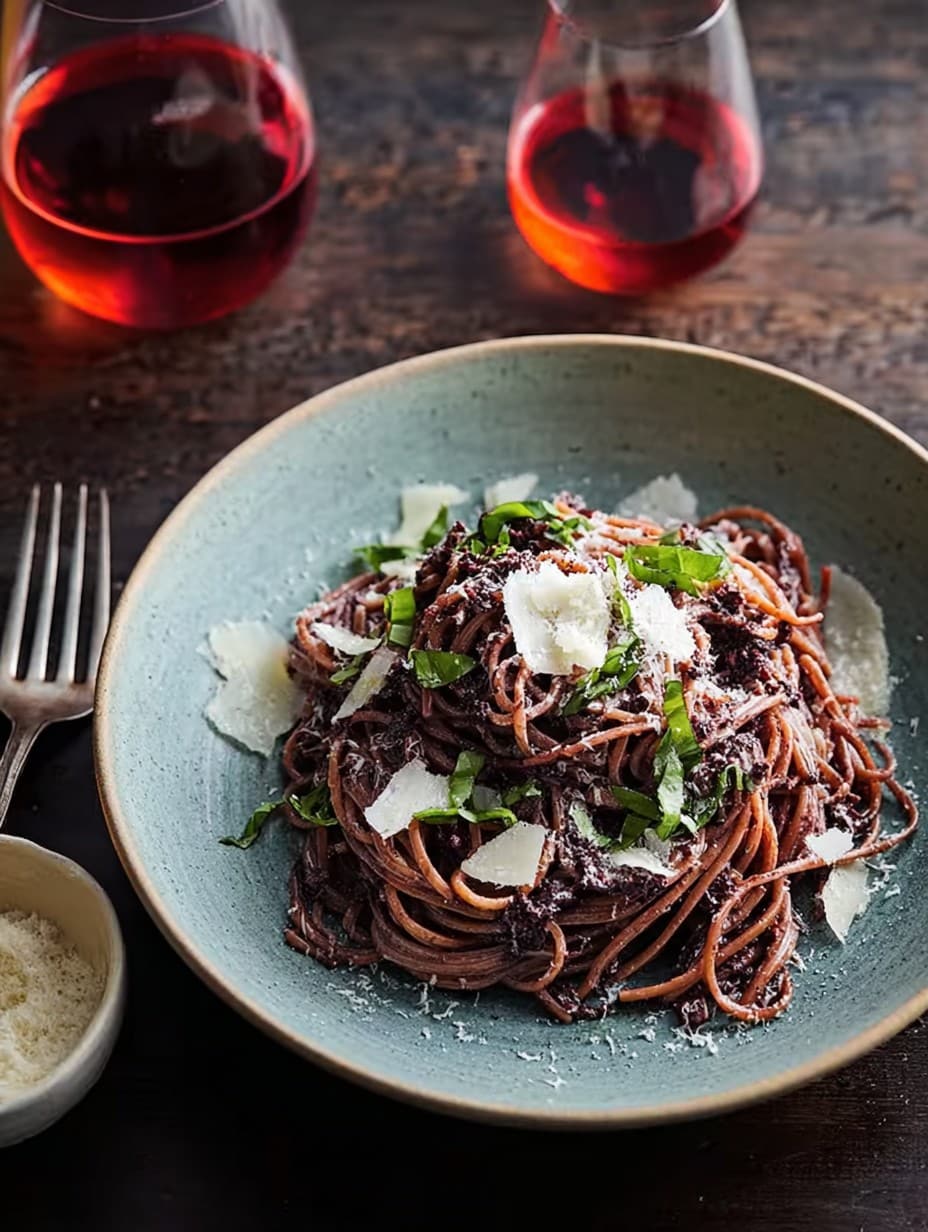
There’s something about simmering red wine right into the pasta that feels… kind of magical. Or at least a little mischievous. Maybe that’s why I keep making it on chilly evenings, especially if I’m in need of a “Let’s pretend I’m dining somewhere better than my own kitchen” moment.
Why You’ll Love This (Or, Why I Make Way Too Much of It)
Seriously, I whip this up when the weather gets weird (like that one April snowstorm), or anytime I want to eat something that feels a bit rebellious and rich without taking three hours. My family goes absolutely bananas for it—they call it “the purple pasta dish”, which I try not to take personally. But the flavor really is a step above your usual weeknight spaghetti. Actually, I find it works better if you remember not to use your fanciest bottle—save that for sipping. Oh, and I’ve been burned by forgetting to salt the water, so don’t skip that part, okay?
What You’ll Need (Optional Chaos Included)
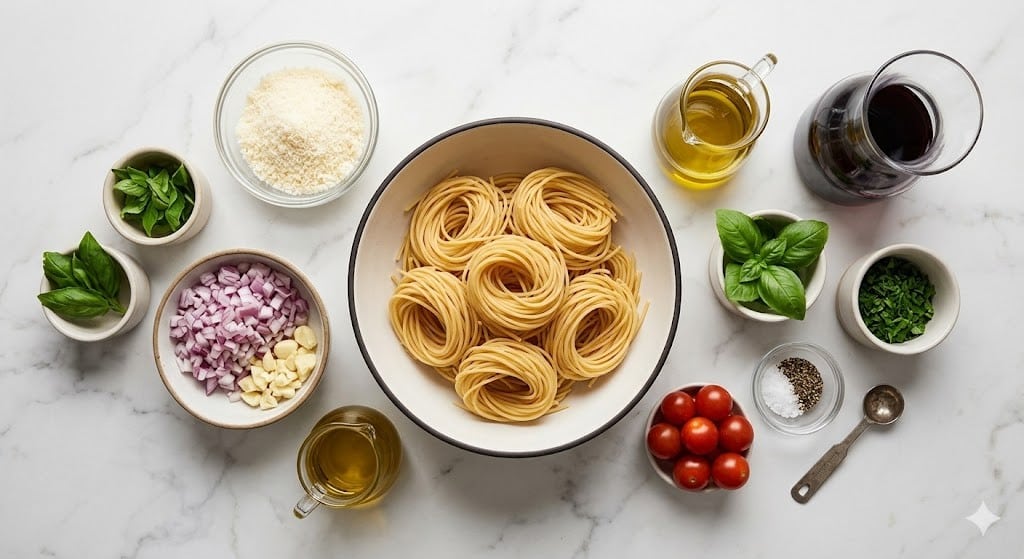
- 12 oz (about 340g) spaghetti (I’ve swapped in linguine or bucatini if that’s what was left in the cupboard; honestly, even fusilli works if you’re feeling wild)
- 1 bottle (about 750ml) dry red wine (nothing too expensive; basically, if you enjoy drinking it, it’ll be fine—I’m not picky, but my grandmother always insisted on Chianti, if you want to keep it classic)
- 2 tbsp olive oil (extra virgin is my go-to, but I used avocado oil in a pinch—didn’t hate it!)
- 4 cloves garlic, minced (I’m a garlic fiend, but two cloves are plenty if you’re less enthusiastic)
- 1/4 tsp crushed red pepper flakes (I add a heavy pinch—sometimes it’s a bit too much, oops)
- Salt, for the pasta water and to taste
- Black pepper, freshly cracked, to taste
- 1/2 cup freshly grated Parmesan, plus extra for serving (whatever cheese is lurking in your fridge will do in an emergency—Pecorino is great)
- 2 tbsp unsalted butter (optional, but oh man, it adds so much silkiness)
- Fresh parsley or basil for a sprinkle on top (sometimes I skip this, nobody complains)
How To Make Red-Wine Pasta Like A (Slightly Frazzled) Pro
- First, bring a big ole pot of salted water to a boil. Cook the pasta for half the time listed on the package (yep, just halfway—don’t wander too far off!).
- Meanwhile, in another large skillet, heat up the olive oil over medium. Add the garlic and red pepper flakes, swirling them around till the garlic just starts to get golden and fragrant—don’t let it go brown or it’ll get bitter (I’ve done this more times than I want to admit).
- Pour in most of the bottle of wine (about 3 cups; save yourself a glass, you deserve it). Let it bubble a minute so your kitchen smells fancy. If the wine splashes a bit, just call it “character.”
- Using tongs, lift your half-cooked pasta straight from the water (no need to be fussy about draining) and add it to the skillet. Let it finish cooking in the wine, tossing occasionally, until it’s just tender and soaked a gorgeous deep color. This is where I usually sneak a taste—sometimes I have to remind myself it’s not done quite yet.
- If the wine seems to have reduced too quickly and your pasta looks sticky or dry, just add a splash of the saved pasta water (I nearly always need to do this; it’s no big deal).
- Take the skillet off the heat. Swirl in the butter and half the Parmesan, tossing till it’s glossy. Sprinkle with pepper and taste for salt—don’t be shy! (Actually, I sometimes add a squeeze of lemon here, which is definitely not traditional but I like it.)
- Dish it all up. Scatter over extra Parmesan and the herbs, if you’ve got them. Take a picture. Or don’t. Just, please eat it while it’s still hot.
Seriously Imperfect Notes (Real Life Lessons!)
- Don’t panic if the pasta turns a weird reddish-purple at first. It always looks a touch bizarre, but it brightens up with cheese and herbs.
- I once forgot the butter—the world didn’t end, but the sauce missed that extra silkiness.
- If you oversalt (I’ve done it on autopilot), just add a splash of water and a teensy bit more cheese. Sorts it right out.
Variations—Some Wonderful, One Debatable
- I sometimes fry pancetta or bacon with the garlic for a smoky kick. Not exactly vegetarian, but oh well.
- Lemon zest on top makes it zingy. My little cousin once added sriracha—bold move, but actually not bad.
- One time I tried using white wine instead, and… let’s just say it wasn’t my proudest dinner.
Equipment List (And What To Do If You Don’t Have It)
- Big pasta pot (I once used a Dutch oven and it worked fine)
- Large skillet or sauté pan (nonstick is okay, but stainless gets the best color)
- Tongs (a big fork works if that’s all you’ve got—just be careful, it’s like wrestling an octopus)
- Grater for cheese (bagged stuff works in a pinch)
Storing Leftover Red-Wine Pasta (But Good Luck With That)
Cool any leftovers completely, then pop them in an airtight container. They’ll keep in the fridge for 2 days, maybe 3. That said, in my house, it never lasts more than a day—not with my crew, anyway. If you want to reheat it, splash in a little water or wine to loosen it up.
Perfect Pairings—How I Like To Serve It
I love serving this with a big, peppery arugula salad and some crusty bread (which I sometimes burn, but it’s just “extra crispy” then). If my family is feeling fancy, we’ll eat it alongside a plate of cheese and olives—makes it feel like a party, even if we’re in sweatpants.
Pro Tips—Oops, I Learned These The Hard Way
- Don’t try to rush the wine simmer—it needs a few minutes to mellow or it’ll taste sharp. I once cranked up the heat and basically boiled away all the flavor—disappointing dinner, but at least the cleanup was fast!
- Actually, don’t use the priciest wine; save it for pouring a glass to sip while you cook instead. The pasta won’t know the difference.
Red-Wine Pasta FAQ (You Folks Always Ask…)
- Q: Does it really taste like wine?
Not exactly! The alcohol mostly cooks off, leaving a kind of deep, tangy flavor—it’s more “fragrant” than boozy. - Q: Can I make it vegetarian?
Absolutely. Just skip the bacon variant and use veggie Parmesan if needed. - Q: Can I use gluten-free pasta?
Yup, it works—just watch the texture, it sometimes cooks really fast; that’s caught me off guard once or twice. - Q: What if I only have half a bottle of wine?
No stress; just top up with a bit more pasta water. Or on second thought, reduce the pasta amount or cook in two smaller batches. - Q: Will my kids eat this?
Mine will—though they call it “grown-up noodles.” Totally up to their adventurous-ness!
On a totally unrelated note: last time I made this, the smoke alarm went off, and my cat was not amused. Only mentioning this because it seems like something someone should warn you about if you’re the distracted cook type, like me. Anyway, hope you love this Red-Wine Pasta as much as my slightly chaotic kitchen does!
Ingredients
- 12 oz (about 340g) spaghetti (I’ve swapped in linguine or bucatini if that’s what was left in the cupboard; honestly, even fusilli works if you’re feeling wild)
- 1 bottle (about 750ml) dry red wine (nothing too expensive; basically, if you enjoy drinking it, it’ll be fine—I’m not picky, but my grandmother always insisted on Chianti, if you want to keep it classic)
- 2 tbsp olive oil (extra virgin is my go-to, but I used avocado oil in a pinch—didn’t hate it!)
- 4 cloves garlic, minced (I’m a garlic fiend, but two cloves are plenty if you’re less enthusiastic)
- 1/4 tsp crushed red pepper flakes (I add a heavy pinch—sometimes it’s a bit too much, oops)
- Salt, for the pasta water and to taste
- Black pepper, freshly cracked, to taste
- 1/2 cup freshly grated Parmesan, plus extra for serving (whatever cheese is lurking in your fridge will do in an emergency—Pecorino is great)
- 2 tbsp unsalted butter (optional, but oh man, it adds so much silkiness)
- Fresh parsley or basil for a sprinkle on top (sometimes I skip this, nobody complains)
Instructions
-
1First, bring a big ole pot of salted water to a boil. Cook the pasta for half the time listed on the package (yep, just halfway—don’t wander too far off!).
-
2Meanwhile, in another large skillet, heat up the olive oil over medium. Add the garlic and red pepper flakes, swirling them around till the garlic just starts to get golden and fragrant—don’t let it go brown or it’ll get bitter (I’ve done this more times than I want to admit).
-
3Pour in most of the bottle of wine (about 3 cups; save yourself a glass, you deserve it). Let it bubble a minute so your kitchen smells fancy. If the wine splashes a bit, just call it “character.”
-
4Using tongs, lift your half-cooked pasta straight from the water (no need to be fussy about draining) and add it to the skillet. Let it finish cooking in the wine, tossing occasionally, until it’s just tender and soaked a gorgeous deep color. This is where I usually sneak a taste—sometimes I have to remind myself it’s not done quite yet.
-
5If the wine seems to have reduced too quickly and your pasta looks sticky or dry, just add a splash of the saved pasta water (I nearly always need to do this; it’s no big deal).
-
6Take the skillet off the heat. Swirl in the butter and half the Parmesan, tossing till it’s glossy. Sprinkle with pepper and taste for salt—don’t be shy! (Actually, I sometimes add a squeeze of lemon here, which is definitely not traditional but I like it.)
-
7Dish it all up. Scatter over extra Parmesan and the herbs, if you’ve got them. Take a picture. Or don’t. Just, please eat it while it’s still hot.
Approximate Information for One Serving
Nutrition Disclaimers
Number of total servings shown is approximate. Actual number of servings will depend on your preferred portion sizes.
Nutritional values shown are general guidelines and reflect information for 1 serving using the ingredients listed, not including any optional ingredients. Actual macros may vary slightly depending on specific brands and types of ingredients used.
To determine the weight of one serving, prepare the recipe as instructed. Weigh the finished recipe, then divide the weight of the finished recipe (not including the weight of the container the food is in) by the desired number of servings. Result will be the weight of one serving.
Did you make this recipe?
Please consider Pinning it!