Let’s Get This Bread — My Fuss-Free Focaccia Story
Ah, focaccia. Is it possible to make this pillowy bread and have it on the same day you start? You bet. Listen, I love a good project, but I’ve got my limits—I once tried making traditional sourdough for a week, only to forget it on the counter for two days (err, don’t do that). So ever since, this same day sourdough focaccia has been my go-to whenever I want something fancy-ish with minimal angst or advance planning.
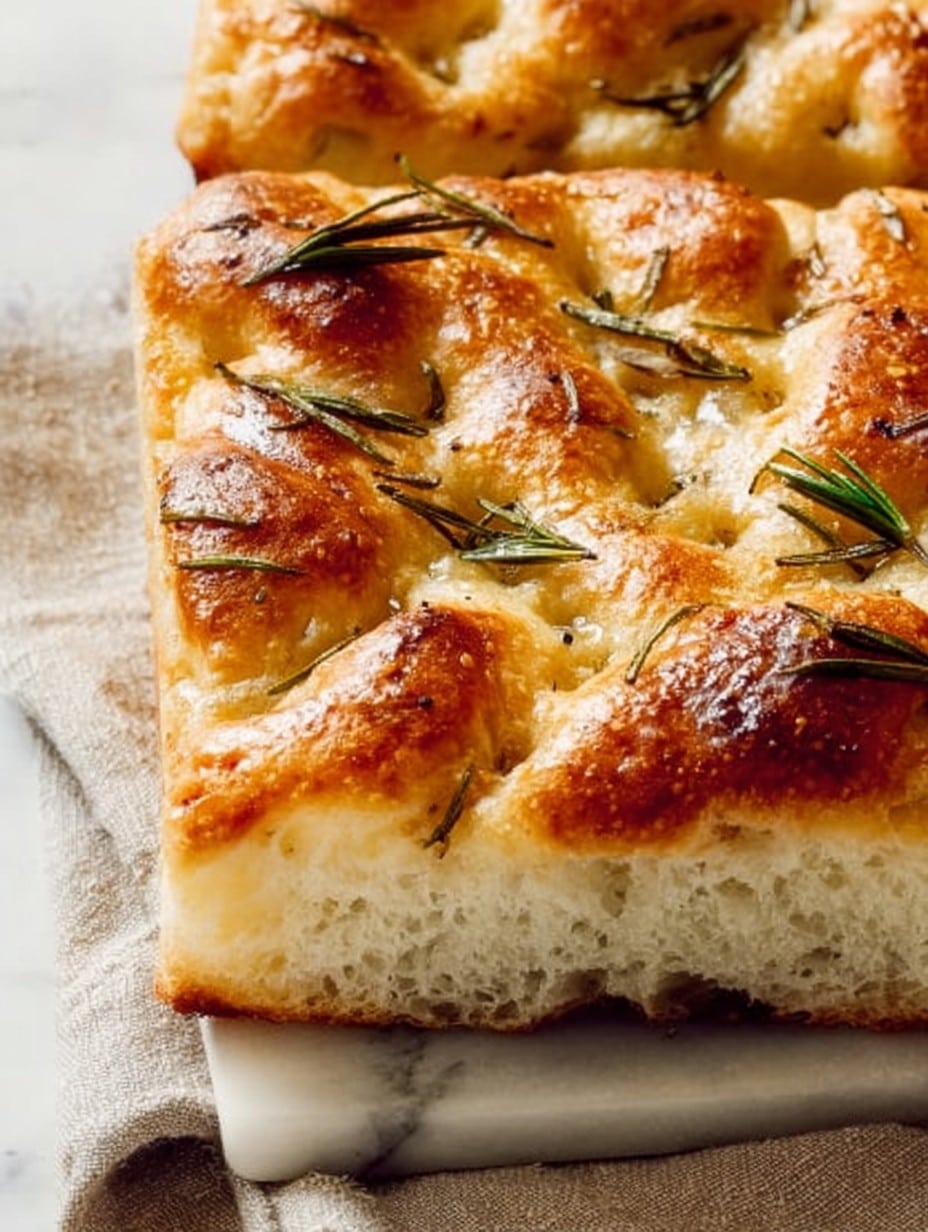
The first time I attempted this, my kitchen looked like I’d invited the entire cast of Bake Off over and they’d all fled mid-chaos. But wow, did my kitchen smell good! And, bonus, the bread was devoured in twenty minutes flat—kids, husband, the dog trying to sneak a bite under the table. It’s got crispy edges, chewy insides, and that slight tang (the ‘I totally know what I’m doing’ tang, we call it). No stress about overnight proofs, just good, messy fun—and flavor you won’t believe came together in an afternoon.
Why You’ll Love This (Honestly, Here’s When I Make It)
- I throw this together when I forget I promised to bring bread for dinner (shockingly often, don’t judge).
- My family hovers as soon as it comes out of the oven, and let’s be real—there’s a piece missing before I’ve sliced it up.
- You don’t need any fancy starter-maths or precise timings. If you can mix, stretch, and drizzle olive oil with abandon, you’re golden.
- It’s the perfect “I want bread but I want it fast, with minimum drama” bake (the only drama will be fighting over the corners).
- My one complaint? I can never stop at one piece. But that’s probably more a me-problem…
What You’ll Need: Ingredients (And Some Swaps I’ve Done in a Pinch)
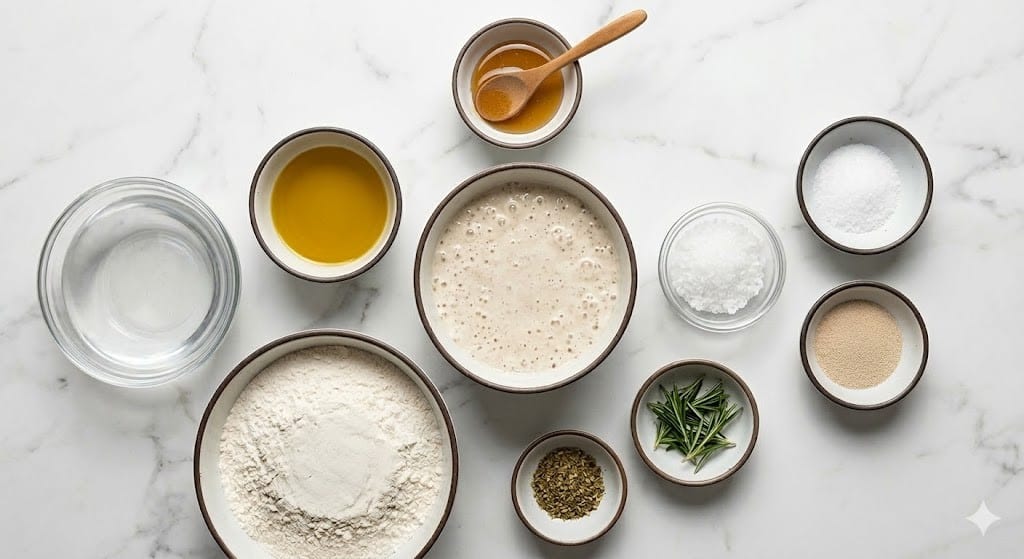
- 400g (about 2 2/3 cups) bread flour, but let’s be honest—AP flour does the trick if that’s what you have. My gran swore by King Arthur, but I just grab whatever’s in the pantry most weeks.
- 100g (a scant 1/2 cup) active sourdough starter—fed and bubbling preferably, but lazy starter? Totally used it, still worked.
- 350ml (about 1 1/2 cups) warm water, not too hot (I’ve rushed it with cold water before, worked alright but was slower to rise).
- 10g (a generous 1 1/2 teaspoons) sea salt—I’ve subbed kosher or even table salt. Salt’s salt here.
- 20ml (about 1 1/2 tablespoons) extra virgin olive oil, plus more for the pan and drizzling. I mean, use the good stuff if you want to taste it, but store-brand is fine.
- Flaky salt for topping—Maldon is lovely (not essential, but worth it for a crunch), or just regular salt if you must.
- Optional: fresh or dried rosemary, cherry tomatoes, thinly sliced red onions, whatever floats your focaccia boat. I once tossed in olives, not everyone was a fan (I get it, olives are divisive).
How I Make Same Day Sourdough Focaccia Bread (Chaos-Friendly Directions)
- Grab a large-ish bowl, toss in your flour, active starter, salt, and warm water. Mix with a spoon or your hand—it’ll look like a scraggly mess, but that’s exactly how it should be.
- Drizzle in your olive oil. Stir or squishy-squeeze the dough a bit more, just until everything’s moist and mostly combined. It’ll feel sticky, but my dough is always stickier than the recipes say; don’t panic.
- Cover the bowl with a tea towel (I sometimes use a plate if towels are all in the wash—oops) and let it rest 30 minutes. I go fold laundry or make tea—the dough probably needs the rest more than you do.
- After the rest, give your dough a couple of stretch-and-folds. Wet your hand, grab an edge, stretch it up and fold it over. Do this 3-4 times around the bowl. It smooths out, promise.
- Re-cover, leave it for about 3 hours at comfy room temp (warmer is faster). During this time, I do 1-2 more rounds of stretch-and-folds, every hour or so (honestly, I sometimes forget and it’s fine).
- Generously oil a baking tin (I use a 9×13-inch pyrex or, when that’s in use, a biggish cast iron skillet). Plop the dough in—gently stretch it toward the corners, but don’t squish all the bubbles out. If it resists, just let it hang out for 10 minutes and try again—it’ll relax.
- Drizzle more olive oil all over (the more, the merrier), and, if you like, sprinkle over your rosemary, tomatoes, or whatever. Dimple the dough with greased fingertips—it’s the best bit. Don’t actually poke through, just press little craters. Sprinkle with flaky salt.
- Let it rise/until puffy, about 1–1.5 hours, uncovered is fine. If it’s chilly, sometimes I pop the pan in my (off!) oven with the light on.
- Preheat oven to 220°C (430°F) near the end of proofing. Bake the focaccia 20–25 minutes until golden on top and deliciously crispy at the edges. When in doubt, leave it in an extra minute for those edges—trust me.
- Cool for at least 10 minutes before slicing (I never wait that long, but technically you’re supposed to). Good luck keeping the family away till then.
Some Notes (Learned the Long Way Round)
- Sticky dough is normal! I have tried adding more flour but it goes dense. Embrace the mess.
- A wet dough gives you those big bubbles. I used to be scared of over-proofing, but honestly, it’s hard to mess up if you’re in the general time frame. Actually, sometimes it tastes even better a bit overdone.
- Used cold starter straight from the fridge a couple times—bread was a bit slower, but came out fine. Don’t overthink it.
Focaccia Experiments—Some Winners, Some Not
- Once added roasted garlic—huge hit. Kids basically inhaled it.
- Tried using rye flour for a quarter of the total—it went a bit gummy. Maybe rye isn’t focaccia’s BFF.
- Crumbled feta and a handful of halved grapes on top? Sounds odd, but was actually lovely, sort of sweet n salty.
Essentials (and Not-So-Essential Kit)
- A decent sized mixing bowl—I once mixed in a soup pot when nothing else was clean. Worked just fine.
- 9×13 inch baking tin or, honestly, your largest skillet (cast iron is ace but not required).
- Measuring jug/cup for water, but I’ve eyeballed it. Sparingly, but it happens.
- Teaspoon for salt, tablespoons for oil—but again, close enough usually works.
How To Store (If You Don’t Eat It Immediately, Impossible I Know)
- Wrap leftover focaccia in foil or a tea towel. Will keep soft on the counter for maybe a day… but mine rarely survives till breakfast the next morning.
- If (big if) you have loads left, pop in freezer wrapped tightly. I warm slices in the toaster, but they never taste quite as magical as they do fresh.
How I Serve This (Traditions, Real and Invented)
- I love dipping hunks in balsamic and good olive oil—feels restaurant-ish. My son likes it with mortadella folded inside, like a sandwich.
- Focaccia is top notch alongside soup (especially tomato or minestrone) or simply as a table bread.
- On a Saturday, I sometimes serve wedges topped with scrambled eggs and rocket for breakfast-lunch—not traditional, but who cares?

Things I Wish I’d Learned Earlier (Pro(ish) Tips)
- Don’t rush the final rise—I’ve tried skipping it. Ended up with focaccia as flat as a pancake. Oops.
- Use plenty of oil in the pan. I once scrimped and spent ten minutes chiseling bread out. Not fun.
- Cool slightly before serving (but who can resist warm bread?). It slices way better if you do, in fairness.
Definitely Not Boring FAQ
Can I use store-bought sourdough starter?
Totally! Or beg a bit form a friend—I’ve done both. Just make sure it’s got some life to it, or your dough might nap forever.
Do I have to use bread flour?
Nah, skip the bread police. I’ve used AP flour more times than I’d like to admit. The texture might be a bit less chewy, but it’s still ace.
How can I make this gluten free?
Honestly, haven’t tried, but I reckon a gluten free flour blend with xanthan gum would do the trick. Might not bubble as much, though.
What if my dough looks super sticky?
Yes, that’s the vibe. You want sloppy, sticky dough—it makes for light, airy focaccia and, trust me, it always comes together in the end.
Can I do the first rise overnight instead?
Actually yeah! Leave it in the fridge and bake the next day; works great when you need the oven for dinner but still want fresh bread for lunch.
One more thing: if you ever need a quick side for a cookout or potluck, this bread’s saved me more than once. Off you go—get your hands sticky and enjoy!
Ingredients
- 400g (about 2 2/3 cups) bread flour, but all-purpose flour is fine
- 100g (a scant 1/2 cup) active sourdough starter—fed and bubbly if possible
- 350ml (about 1 1/2 cups) warm water
- 10g (a generous 1 1/2 teaspoons) sea salt (or kosher/table salt)
- 20ml (about 1 1/2 tablespoons) extra virgin olive oil, plus more for pan and drizzling
- Flaky salt for topping (optional)
- Optional: fresh or dried rosemary, cherry tomatoes, thinly sliced red onions, or olives
Instructions
-
1Grab a large-ish bowl, toss in your flour, active starter, salt, and warm water. Mix with a spoon or your hand—it’ll look like a scraggly mess, but that’s exactly how it should be.
-
2Drizzle in your olive oil. Stir or squishy-squeeze the dough a bit more, just until everything’s moist and mostly combined. It’ll feel sticky, but my dough is always stickier than the recipes say; don’t panic.
-
3Cover the bowl with a tea towel (I sometimes use a plate if towels are all in the wash—oops) and let it rest 30 minutes. I go fold laundry or make tea—the dough probably needs the rest more than you do.
-
4After the rest, give your dough a couple of stretch-and-folds. Wet your hand, grab an edge, stretch it up and fold it over. Do this 3-4 times around the bowl. It smooths out, promise.
-
5Re-cover, leave it for about 3 hours at comfy room temp (warmer is faster). During this time, I do 1-2 more rounds of stretch-and-folds, every hour or so (honestly, I sometimes forget and it’s fine).
-
6Generously oil a baking tin (I use a 9×13-inch pyrex or, when that’s in use, a biggish cast iron skillet). Plop the dough in—gently stretch it toward the corners, but don’t squish all the bubbles out. If it resists, just let it hang out for 10 minutes and try again—it’ll relax.
-
7Drizzle more olive oil all over (the more, the merrier), and, if you like, sprinkle over your rosemary, tomatoes, or whatever. Dimple the dough with greased fingertips—it’s the best bit. Don’t actually poke through, just press little craters. Sprinkle with flaky salt.
-
8Let it rise/until puffy, about 1–1.5 hours, uncovered is fine. If it’s chilly, sometimes I pop the pan in my (off!) oven with the light on.
-
9Preheat oven to 220°C (430°F) near the end of proofing. Bake the focaccia 20–25 minutes until golden on top and deliciously crispy at the edges. When in doubt, leave it in an extra minute for those edges—trust me.
-
10Cool for at least 10 minutes before slicing (I never wait that long, but technically you’re supposed to). Good luck keeping the family away till then.
Approximate Information for One Serving
Nutrition Disclaimers
Number of total servings shown is approximate. Actual number of servings will depend on your preferred portion sizes.
Nutritional values shown are general guidelines and reflect information for 1 serving using the ingredients listed, not including any optional ingredients. Actual macros may vary slightly depending on specific brands and types of ingredients used.
To determine the weight of one serving, prepare the recipe as instructed. Weigh the finished recipe, then divide the weight of the finished recipe (not including the weight of the container the food is in) by the desired number of servings. Result will be the weight of one serving.
Did you make this recipe?
Please consider Pinning it!