An Ode to Japanese Cabbage—And That One Time I Burnt It
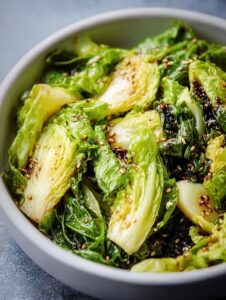
Okay, so, hear me out: if you ever find yourself with an accidental mountain of cabbage (farmers market impulse, anyone?), this recipe is going to be your kitchen superhero. Japanese Savory Cabbage is one of those dishes I stumbled into making when I bought a whole head on sale and then, like, promptly forgot about it. I learned two things: 1) cabbage is sneakily delicious when you fry it up with the right stuff, and 2) if you cook it on too high a heat (don’t ask), you’ll discover every smoke alarm in your house works just fine. Anyway, let’s make Savory Japanese Cabbage the right way, hopefully minus the fire drill.

Why You’ll Love This Little Bowl of Magic
I make this when I’ve got a busy Monday and need something cozy (or when I realize my veg crisper is starting to, uh, smell a little… cabbage-y). My family seriously goes wild for this, especially since it’s so flexible—sometimes I toss in leftover chicken or sneak in extra garlic if I want to ward off vampires (or just my neighbor’s cat). And honestly, if you’re rice-obsessed like me, this with a bowl of steaming white rice is next-level good. There’s no complicated sauce, no fancy chef twirls—just homestyle, satisfying, slightly sweet and salty cabbage. Heck, the hardest part is probably not eating half of it right out of the pan.
What You’ll Need (Honestly, Substitutions Are Fine!)
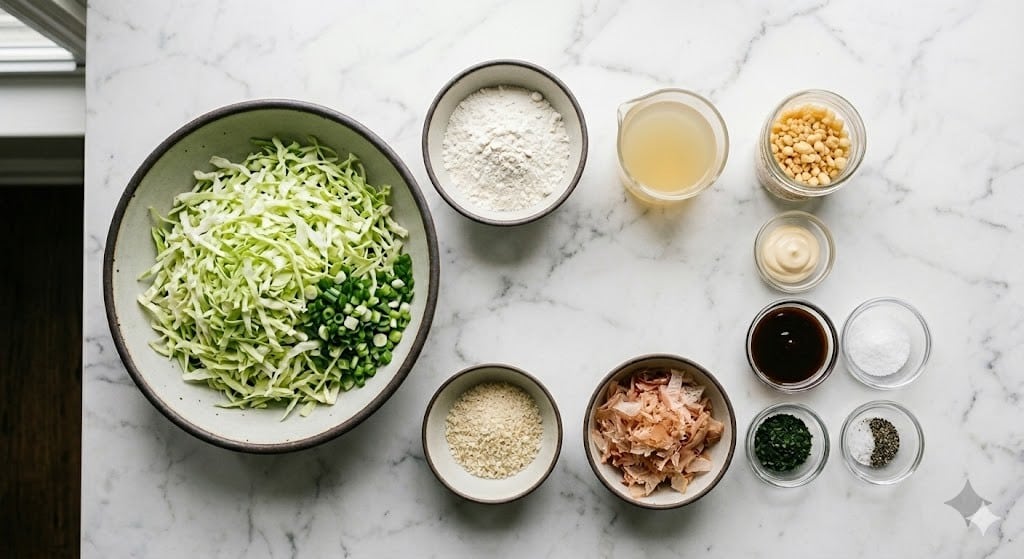
- 1/2 large head green cabbage (about 500g), shredded (I use Napa when I’m feeling fancy, but regular green cabbage is my go-to)
- 1 tablespoon toasted sesame oil (If you’re out, a mild olive oil works—though sesame’s the real star)
- 2 cloves garlic, thinly sliced (If I’m in a rush, I just smash them and toss them in)
- 2 tablespoons soy sauce (Any brand, though my grandmother made me swear by Kikkoman—but honestly, pantry soy is fine)
- 1 tablespoon mirin (or honestly, a teaspoon sugar mixed into a splash of rice vinegar when I’m out)
- 1 teaspoon sugar (Sometimes I skip this if the cabbage is naturally sweet—play it by ear!)
- 2 green onions, sliced (When I’m being lazy, I skip these, but they do make it prettier)
- Optional: Pinch of toasted sesame seeds, for finish
- Optional: Crack of black pepper or a sprinkle of shichimi togarashi if you want a little kick (I usually do when no kids are watching)
Let’s Get Cooking! (No Panic—Promise)
- Heat the sesame oil in a large skillet or wok over medium heat. Not too hot—or, well, you know what happened to me. Swirl it around so it smells all toasty and nutty.
- Add the garlic slices and fry for maybe a minute until aromatic but don’t brown them too much. Stir with whatever spoon you’ve got handy (or chopsticks, if you’re feeling dexterous).
- Dump in the cabbage. Don’t be alarmed if it piles up high—it’ll shrink a lot, I promise. Stir it for a couple of minutes until it starts to wilt and soften. This is where I sneak a taste, even though it’s not done yet.
- Pour over the soy sauce, mirin, and sugar. Give it a stir to coat everything. If your pan’s crowded, it’ll seem impossible, but it’s all good with a bit of persistence.
- Keep tossing the cabbage for about 5-7 minutes until it’s tender but a little crisp at the edges. Don’t worry if it looks a bit odd or gets some browned spots—those are flavor, honestly. If you want it super soft, go a minute or two longer.
- (Optional) Toss in green onions, then quickly toss again. Or, just scatter them on top if you’re tired and want to eat.
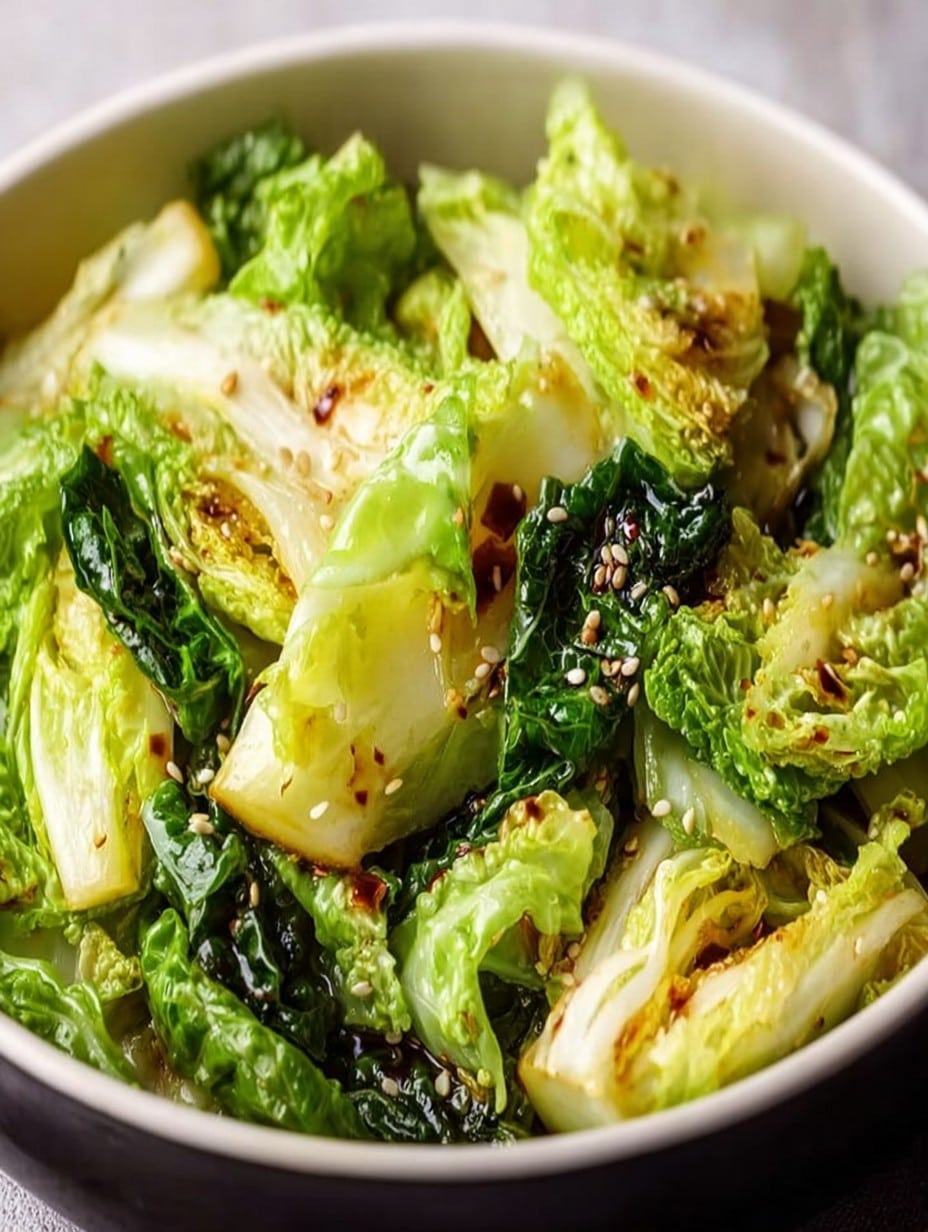
- Finish with sesame seeds and black pepper or shichimi togarashi if you want. Scoop into a bowl and definitely try to leave some for the rest of your meal.
Notes (AKA Stuff I Learned the Hard Way)
- If you use red cabbage, it’ll taste good but look kind of psychedelic—proceed at your own risk.
- I’ve tried using pre-shredded coleslaw mix in a pinch, and it worked… but pick out the carrot bits, trust me.
- Actually, I find it works better if you don’t crowd the pan too much. Use the biggest you’ve got. Or just cook in batches—annoying, but worth it.
Variations—Some Winners, Some Not So Much
- Sometimes I toss in thin strips of bell pepper—bright color, good crunch.
- I once tried adding a spoonful of oyster sauce, and it made it super savory. Not strictly Japanese, but tasty.
- I thought a splash of lemon at the end would be clever. It was… not. The flavor went weird. Wouldn’t do it again.
- Oh, and a fried egg on top? Next level, always.
Essential Gear? Eh, Maybe Not So Much
I usually use a nonstick skillet—mine’s a bit battered, but it’s survived plenty. A wok works, too. But honestly, any big frying pan works; once I made it in a Dutch oven because, well, my other pans were busy and it still came out tasty.
How I (Try to) Store the Leftovers
Chuck whatever’s left in an airtight tub in the fridge. It keeps up to 3 days, but, honestly, it never lasts that long in my house. Plus, I swear it tastes even better on day two, if you can refrain from polishing it off straightaway!
Favorite Ways to Serve It
For me, the classic is just over hot steamed rice, sometimes with a fried egg (runny yolk FTW). My partner likes it as a side to salmon or even as a filling in sushi hand rolls. Weirdly, my aunt puts it in grilled cheese—but, hey, there’s no accounting for taste.
Pro Tips (Learned the Slow, Sometimes Smoky Way)
- Don’t rush the wilting step—once I cranked the heat to finish faster, and the cabbage got weirdly rubbery. Patience, my friend.
- If it starts sticking, just a splash of water helps loosen it up (and rescues your pan).
- And seriously—taste as you go. Especially salt. Soy sauce brands vary a ton.
FAQ (People Actually Text Me About This… A Lot)
- Can I use purple cabbage? Totally! The flavor’s similar, but, like I said in my notes, it gets wild colors. My kid once called it ‘Halloween cabbage.’
- What if I don’t have mirin? Just do a tiny splash of rice vinegar with a pinch of sugar—or leave it out. It’ll still taste good, just a little less shiny, flavor wise.
- Can I freeze this? Hm, I mean, you can, but the texture gets odd. If you really must, go for it, but fresh is definitely best.
- Is this vegan/vegetarian? Yes—just check your soy sauce ingredients if you’re strict. (And don’t add the egg or oyster sauce, obviously.)
- Why is my cabbage watery? Happens sometimes, maybe depending on the cabbage or heat. Just keep sauteeing—eventually most of the water goes away, or on second thought, just drain it off if it won’t behave!
Honestly, if you make this once, you’ll probably end up making it again and again. Just don’t blame me when you find yourself eating cabbage at midnight. Oops.
Ingredients
- 1/2 large head green cabbage (about 500g), shredded (I use Napa when I’m feeling fancy, but regular green cabbage is my go-to)
- 1 tablespoon toasted sesame oil (If you’re out, a mild olive oil works—though sesame’s the real star)
- 2 cloves garlic, thinly sliced (If I’m in a rush, I just smash them and toss them in)
- 2 tablespoons soy sauce (Any brand, though my grandmother made me swear by Kikkoman—but honestly, pantry soy is fine)
- 1 tablespoon mirin (or honestly, a teaspoon sugar mixed into a splash of rice vinegar when I’m out)
- 1 teaspoon sugar (Sometimes I skip this if the cabbage is naturally sweet—play it by ear!)
- 2 green onions, sliced (When I’m being lazy, I skip these, but they do make it prettier)
- Optional: Pinch of toasted sesame seeds, for finish
- Optional: Crack of black pepper or a sprinkle of shichimi togarashi if you want a little kick (I usually do when no kids are watching)
Instructions
-
1Heat the sesame oil in a large skillet or wok over medium heat. Not too hot—or, well, you know what happened to me. Swirl it around so it smells all toasty and nutty.
-
2Add the garlic slices and fry for maybe a minute until aromatic but don’t brown them too much. Stir with whatever spoon you’ve got handy (or chopsticks, if you’re feeling dexterous).
-
3Dump in the cabbage. Don’t be alarmed if it piles up high—it’ll shrink a lot, I promise. Stir it for a couple of minutes until it starts to wilt and soften. This is where I sneak a taste, even though it’s not done yet.
-
4Pour over the soy sauce, mirin, and sugar. Give it a stir to coat everything. If your pan’s crowded, it’ll seem impossible, but it’s all good with a bit of persistence.
-
5Keep tossing the cabbage for about 5-7 minutes until it’s tender but a little crisp at the edges. Don’t worry if it looks a bit odd or gets some browned spots—those are flavor, honestly. If you want it super soft, go a minute or two longer.
-
6(Optional) Toss in green onions, then quickly toss again. Or, just scatter them on top if you’re tired and want to eat.
-
7Finish with sesame seeds and black pepper or shichimi togarashi if you want. Scoop into a bowl and definitely try to leave some for the rest of your meal.
Approximate Information for One Serving
Nutrition Disclaimers
Number of total servings shown is approximate. Actual number of servings will depend on your preferred portion sizes.
Nutritional values shown are general guidelines and reflect information for 1 serving using the ingredients listed, not including any optional ingredients. Actual macros may vary slightly depending on specific brands and types of ingredients used.
To determine the weight of one serving, prepare the recipe as instructed. Weigh the finished recipe, then divide the weight of the finished recipe (not including the weight of the container the food is in) by the desired number of servings. Result will be the weight of one serving.
Did you make this recipe?
Please consider Pinning it!