Alright, Let’s Talk About Skillet Sourdough Discard Cornbread
If you want some downright honest truth—I’d never heard of Sourdough Discard in cornbread until my neighbor Sally dropped off a lumpy mason jar during one of those chilly, can’t-find-my-socks sort of February afternoons. “Just chuck it in your next cornbread,” she said. I didn’t question her; Sally’s been right about more things than my GPS. So, that night, I found myself elbow-deep in cornmeal, trying to figure out the best way to blend my usual mix with the sourdough stuff (which, by the way, looks a bit like wallpaper paste, but I promise, it’s magic). If you grew up with cornbread like me—wondering why it always stuck to the pan—let’s just say, you’re about to up your game.
Why You’ll Love This (Or At Least, Why My Crew Does)
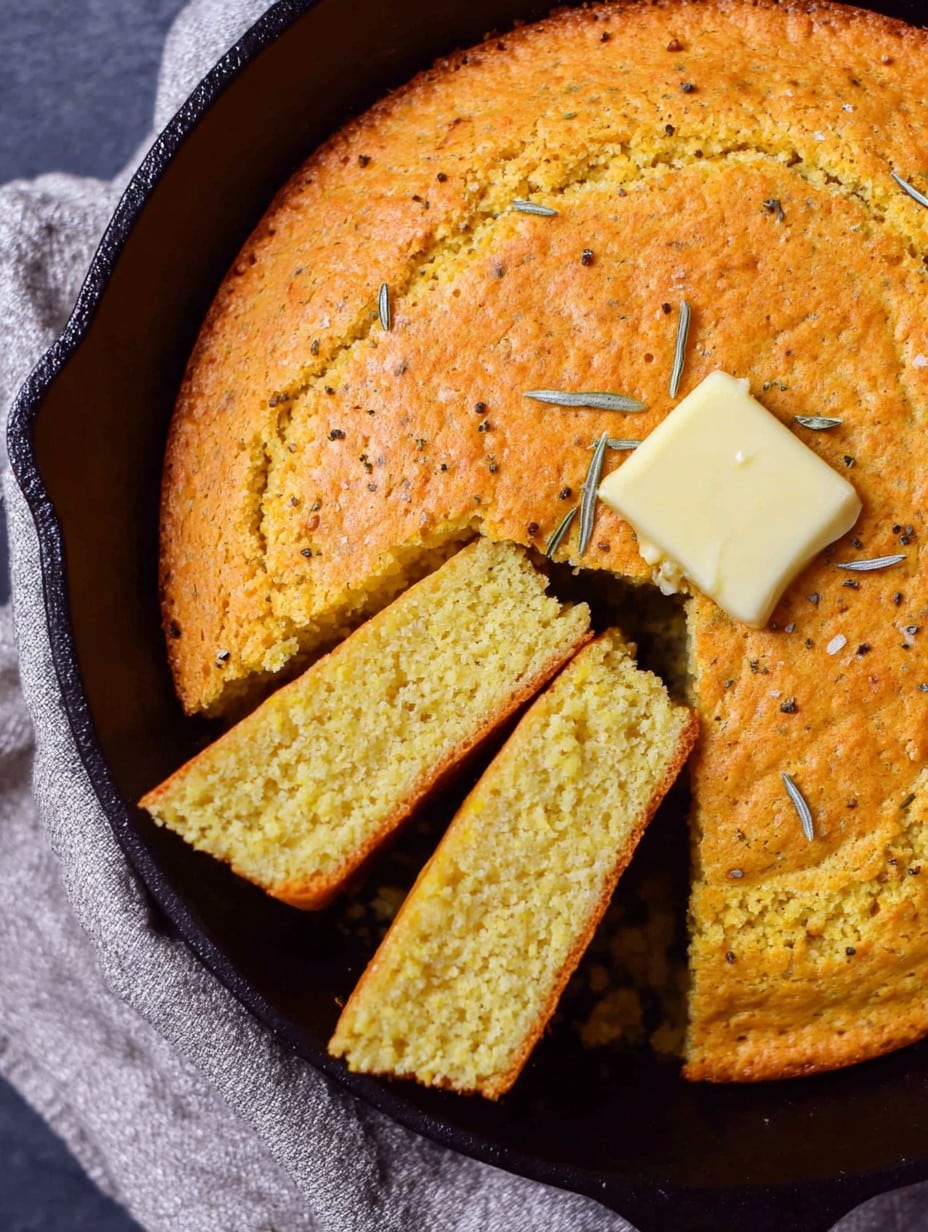
I make this sourdough discard cornbread mostly when I’m overrun by jars of sourdough leftovers, which is… more than I care to admit. My teenager goes nuts for the crispy edges (he actually called dibs on the corner slices once, which started a family debate), and honestly, the tang from the discard gives the cornbread this sneaky flavor that regular recipes just can’t fake. Sometimes, when I’ve run out of buttermilk, I just mix milk and a squeeze of lemon and call it good—nobody notices, not even the grumpy uncle who “doesn’t like change.” And if it gets a bit too brown? Eh, that’s just extra flavor.
The Ingredients—And a Few Swaps, If You’re In a Pinch
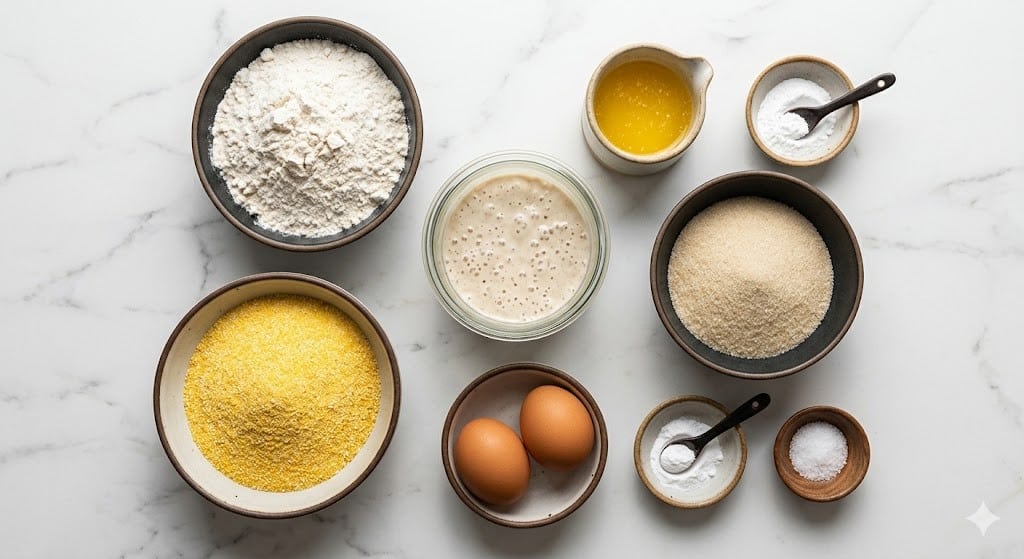
- 1 cup cornmeal (any yellow kind; I’ve even used the coarse stuff once in a pinch, but fine is standard)
- 1 cup all-purpose flour (I sometimes sneak in half whole wheat—just don’t tell the kids)
- 1/2 cup sourdough discard (unfed, straight from the jar—mine’s sometimes extra runny, and that’s been fine)
- 1/4 cup sugar (my gran swore by brown sugar, but honestly, white works too)
- 1 tablespoon baking powder
- 1/2 teaspoon baking soda
- 3/4 teaspoon salt (sea, kosher, or whatever is in your little salt pig)
- 2 large eggs (or flax eggs—I tried that once for a vegan friend, worked surprisingly okay)
- 1 cup buttermilk (I often use 1 cup milk + 1 tablespoon lemon juice if I forget buttermilk at the store)
- 1/3 cup melted butter (or neutral oil, honestly—I’m partial to the flavor of butter, but oil is easier to clean up, I think)
- 2 tablespoons butter for greasing the skillet (optional, but I think it’s what makes the best crust)
How To Make It – Directions With A Bit Of Ramble
- First—set your oven to 425°F. Never trust my husband with this step; he thinks everything bakes at 350, but you want it HOT for that crispy bottom. Pop a 9-inch cast iron skillet in while it preheats.
- Mix the cornmeal, flour, sugar, baking powder, baking soda, and salt in a big-ish bowl. I use a whisk, but a fork’s honestly faster when I’m in a rush.
- In another bowl (tiny digression: why do I always run out of clean bowls exactly now?), beat the eggs, then add the buttermilk and sourdough discard. Add the melted butter last—if you do it too soon, it sometimes gets a bit clumpy. Don’t worry about it, though; it bakes out just fine.
- Pour the wet ingredients into the dry ones and stir until just combined. It looks a bit lumpy? Good. Don’t overmix or it’ll go tough on you. This is where I occasionally sneak a taste; just me? Oh well.
- Carefully pull the hot skillet from the oven (don’t skip this, it’s what gives the base that brilliant crunch). Drop the 2 extra tablespoons of butter in—listen for the sizzle. Tilt the pan around a bit to coat.
- Pour in the batter, scraping the bowl to get it all (no shame in licking the spatula if you’re so inclined). The batter will start to set on the edges instantly—love that.
- Bake for 22–28 minutes, depending on your oven (mine runs hot, so I usually check at 20). The top should be golden and a tester comes out with crumbs but no goo.
- Let cool in the skillet for 10 minutes, though, if your family is like mine, someone will try to hack off a piece early. Cut into wedges and serve right from the skillet—rustic, and saves washing another plate.
Notes, Mishaps, and Discoveries
- The texture depends on your discard’s mood—sometimes mine comes out almost cake-y, other times it’s a little crumbly. All good.
- Once, I used a super coarse cornmeal, thinking it’d be extra hearty. Honestly? Crunchier than expected, but still disappeared by dinner.
- Don’t panic if the top looks a bit streaky after baking—once you cut it, nobody notices.
Variations, For The Curious (Or Reckless)
- I once tossed in a cup of shredded cheddar and a diced jalapeño—great combo, but if you overdo the chiles… well, my uncle sweated through dessert.
- Swapping honey for sugar gives a different kind of sweetness, more mellow.
- Okay, confession: I tried folding frozen corn kernels in once. Didn’t love the texture—they got a bit rubbery. Maybe fresh would be better?
Equipment: Yes, The Cast Iron Is Best (But…)
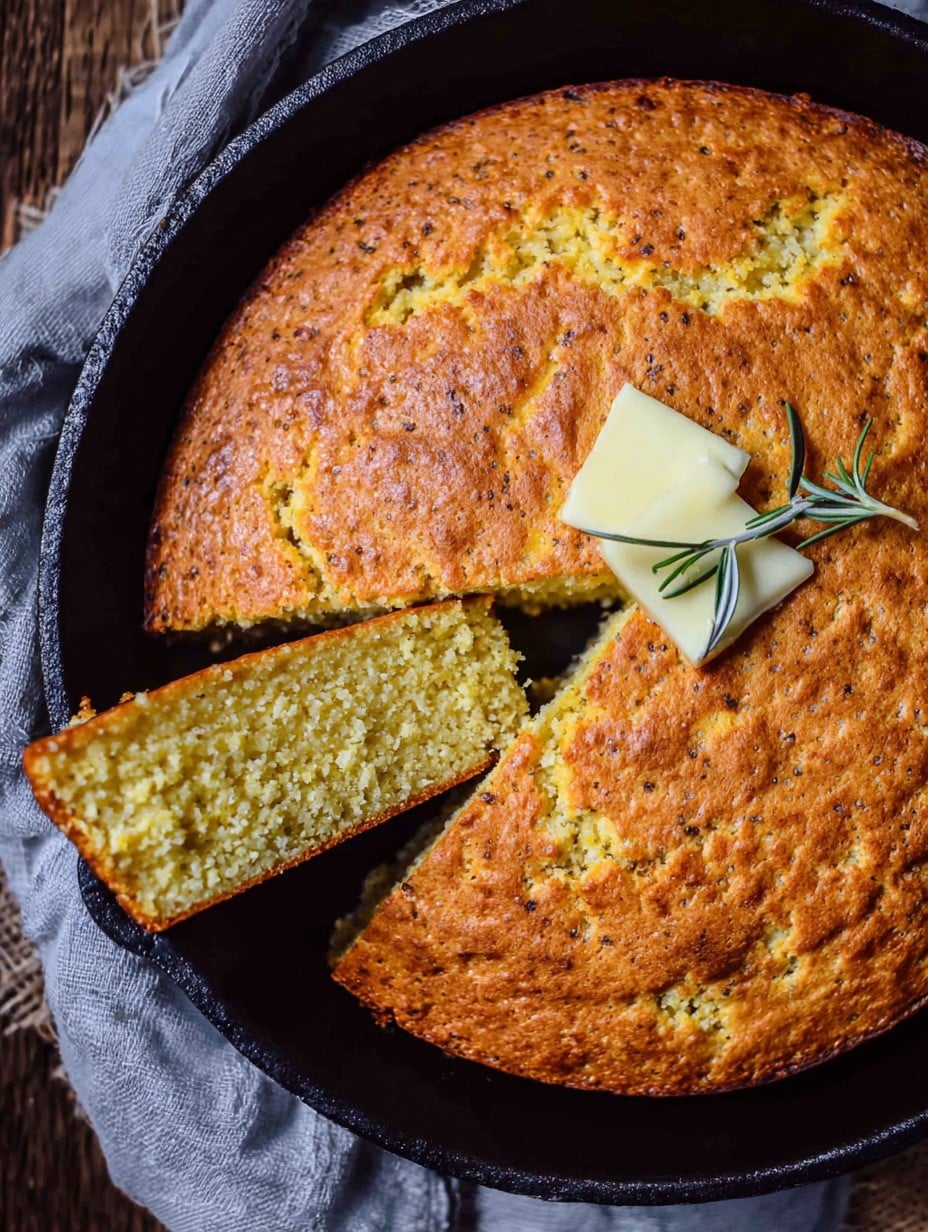
I really think the 9-inch cast iron skillet is the move here—gives you that “wow” bottom crust. Don’t have one? A deep cake pan or even a heavy pie plate will do in a pinch, though the edges don’t get quite as sassy. I’ve baked in a square Pyrex, too; just keep an eye on the baking time.
Storing It (As If It Lasts That Long)
Cooled cornbread keeps at room temp tightly wrapped for two days or so—but, let’s be honest, in my house it rarely sees sunrise the next day. If you do need to stash it, I’ve had good luck wrapping wedges in foil and reheating them in the oven, not the microwave (unless you like it a little chewy, which, hmm, sometimes I do with butter).
How I Like To Serve It (Just Sharing)
We’re big on slapping a thick pad of butter on a warm wedge—sometimes a drizzle of honey, sometimes chili on the side if it’s dinner. My youngest dunks it in soup, but honestly, I think it’s best solo at midnight straight from the pan, crumbs everywhere.
Pro Tips (Mistakes I Now Avoid…Mostly)
- Once, out of impatience, I added all the wet stuff to the dry before preheating the skillet—batter over-sat, cornbread turned sad. Don’t be me.
- If your skillet isn’t hot enough, your bottom won’t crisp up, just saying.
Some FAQs, Because I’ve Actually Been Asked These
- Can I halve the recipe? Yep, but use a smaller skillet (8-inch is good), or go muffin tins—just eyeball baking time (check early!).
- What if my discard is really sour? Totally works! Adds tang. Though, I once had some that was basically lemon-level tart… maybe back off a little sugar in that case.
- No buttermilk? Like I said, splash some vinegar or lemon into regular milk. Works just fine, promise.
- Can I freeze leftovers? Sure thing. I wrap slices in parchment then freeze. Reheat in the oven for not-sad texture. But why do you have leftovers?
- Why does my cornbread stick to the skillet? Not enough butter or not hot enough. Or maybe my skillet just likes showing off. Grease well and heat hot, and you’re golden—literally.
Ingredients
- 1 cup cornmeal (any yellow kind; I’ve even used the coarse stuff once in a pinch, but fine is standard)
- 1 cup all-purpose flour (I sometimes sneak in half whole wheat—just don’t tell the kids)
- 1/2 cup sourdough discard (unfed, straight from the jar—mine’s sometimes extra runny, and that’s been fine)
- 1/4 cup sugar (my gran swore by brown sugar, but honestly, white works too)
- 1 tablespoon baking powder
- 1/2 teaspoon baking soda
- 3/4 teaspoon salt (sea, kosher, or whatever is in your little salt pig)
- 2 large eggs (or flax eggs—I tried that once for a vegan friend, worked surprisingly okay)
- 1 cup buttermilk (I often use 1 cup milk + 1 tablespoon lemon juice if I forget buttermilk at the store)
- 1/3 cup melted butter (or neutral oil, honestly—I’m partial to the flavor of butter, but oil is easier to clean up, I think)
- 2 tablespoons butter for greasing the skillet (optional, but I think it’s what makes the best crust)
Instructions
-
1First—set your oven to 425°F. Never trust my husband with this step; he thinks everything bakes at 350, but you want it HOT for that crispy bottom. Pop a 9-inch cast iron skillet in while it preheats.
-
2Mix the cornmeal, flour, sugar, baking powder, baking soda, and salt in a big-ish bowl. I use a whisk, but a fork’s honestly faster when I’m in a rush.
-
3In another bowl (tiny digression: why do I always run out of clean bowls exactly now?), beat the eggs, then add the buttermilk and sourdough discard. Add the melted butter last—if you do it too soon, it sometimes gets a bit clumpy. Don’t worry about it, though; it bakes out just fine.
-
4Pour the wet ingredients into the dry ones and stir until just combined. It looks a bit lumpy? Good. Don’t overmix or it’ll go tough on you. This is where I occasionally sneak a taste; just me? Oh well.
-
5Carefully pull the hot skillet from the oven (don’t skip this, it’s what gives the base that brilliant crunch). Drop the 2 extra tablespoons of butter in—listen for the sizzle. Tilt the pan around a bit to coat.
-
6Pour in the batter, scraping the bowl to get it all (no shame in licking the spatula if you’re so inclined). The batter will start to set on the edges instantly—love that.
-
7Bake for 22–28 minutes, depending on your oven (mine runs hot, so I usually check at 20). The top should be golden and a tester comes out with crumbs but no goo.
-
8Let cool in the skillet for 10 minutes, though, if your family is like mine, someone will try to hack off a piece early. Cut into wedges and serve right from the skillet—rustic, and saves washing another plate.
Approximate Information for One Serving
Nutrition Disclaimers
Number of total servings shown is approximate. Actual number of servings will depend on your preferred portion sizes.
Nutritional values shown are general guidelines and reflect information for 1 serving using the ingredients listed, not including any optional ingredients. Actual macros may vary slightly depending on specific brands and types of ingredients used.
To determine the weight of one serving, prepare the recipe as instructed. Weigh the finished recipe, then divide the weight of the finished recipe (not including the weight of the container the food is in) by the desired number of servings. Result will be the weight of one serving.
Did you make this recipe?
Please consider Pinning it!