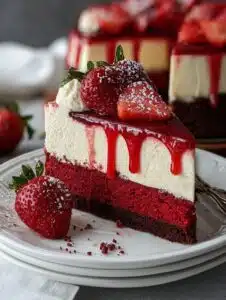
Caramelized Onion and Goat Cheese Tarts serve as an exquisite appetizer or elegant main course, carrying a sophisticated blend of rich flavors and delicate texture. This beloved dish draws inspiration from classic French culinary traditions, specifically the art of tart-making, which has evolved through centuries of European gastronomy.
The sweet, golden caramelized onions are carefully simmered to coax out their natural sugars, which contrasts delightfully with the tangy, velvety richness of goat cheese. Presented on a flaky, buttery pastry base, these tarts are not only visually appealing but also create a harmonious taste experience in every bite.
Suitable for a variety of occasions, from holiday gatherings to cocktail parties, Caramelized Onion and Goat Cheese Tarts have found their place in both restaurant menus and home kitchens around the world.
Their popularity can also be attributed to the accessibility of their ingredients and the simple techniques involved in their preparation. For those interested in learning more about the origins of tarts and pastry-making, resources such as Epicurious provide an excellent introduction to the subject.
When you choose to make Caramelized Onion and Goat Cheese Tarts, you are embracing a recipe that seamlessly combines tradition, flavor, and modern appeal, making it an absolute must-try for both novice cooks and experienced chefs alike.
Ingredients for Caramelized Onion and Goat Cheese Tarts
- 1 sheet of frozen puff pastry, thawed
- 2 large yellow onions, thinly sliced
- 2 tablespoons olive oil
- 1 tablespoon unsalted butter
- 1 teaspoon granulated sugar
- 1/2 teaspoon sea salt
- 1/4 teaspoon black pepper
- 4 ounces fresh goat cheese, crumbled
- 2 teaspoons fresh thyme leaves
- 1 large egg, lightly beaten
- 1 tablespoon heavy cream (optional, for egg wash)
- Flaky sea salt, for garnish (optional)
Instructions for Making Caramelized Onion and Goat Cheese Tarts
- Preheat your oven to 400°F (200°C). Line a baking sheet with parchment paper.
- In a large skillet over medium-low heat, add olive oil and butter. Once melted, add the sliced onions, stirring occasionally.
- Sprinkle the onions with granulated sugar, sea salt, and black pepper. Cook for 25-30 minutes, stirring occasionally, until the onions are deeply golden and caramelized.
- Unfold the puff pastry sheet onto a lightly floured surface. Roll it into a rectangle about 1/8-inch thick. Cut the pastry into four equal squares.
- Transfer the pastry squares to the prepared baking sheet. Score a 1/2-inch border around each square with a sharp knife, being careful not to cut all the way through.
- Evenly distribute the caramelized onions within the borders of each square. Top each with crumbled goat cheese and a sprinkle of fresh thyme leaves.
- In a small bowl, whisk the egg with heavy cream (if using). Brush the borders of the pastry squares with the egg wash for a shiny, golden finish.
- Bake in the preheated oven for 18-22 minutes, or until the pastry is golden and crisp.
- Remove from the oven and let cool slightly. Garnish with a pinch of flaky sea salt, if desired. Serve warm or at room temperature.
Nutritional Information
Caramelized Onion and Goat Cheese Tarts offer a delicious blend of carbohydrates, protein, and healthy fats. Each individual tart contains approximately 250-300 calories, with variation depending on portion size and specific brands of ingredients used.
The puff pastry provides a source of carbohydrates and some fats, while goat cheese offers about 5-6 grams of protein per tart in addition to calcium and beneficial fatty acids. Caramelized onions contribute to dietary fiber and antioxidants, supporting overall digestive health.
In terms of micronutrients, this recipe supplies vitamin A, vitamin B12, and trace minerals such as selenium and zinc. However, as with many pastry-based dishes, the saturated fat content is moderate due to the use of butter and cheese.
When enjoyed in moderation and paired with a fresh salad or vegetable side, these tarts can fit into a balanced diet. For those tracking sodium intake, opting for a low-sodium puff pastry and limiting added salt can further improve its nutritional profile.
To find more detailed information about the nutritional breakdown of puff pastry and goat cheese, you can visit authoritative nutritional information sources like the USDA FoodData Central, which provides comprehensive data on individual ingredients.
The recipe’s use of olive oil adds some monounsaturated fats, while fresh thyme enhances the dish with vitamins and potent antioxidants.
Wine/Beverage Pairings With Caramelized Onion and Goat Cheese Tarts
Caramelized Onion and Goat Cheese Tarts pair exceptionally well with a variety of beverages that highlight their savory and tangy qualities. A crisp white wine such as Sauvignon Blanc complements the tartness of goat cheese and cuts through the richness of the puff pastry.
Alternatively, a lightly chilled Pinot Noir or Beaujolais offers soft red fruit notes and gentle acidity that balance the sweetness of the onions without overpowering the dish.
For those who prefer non-alcoholic options, try sparkling water with a twist of lemon or a cold-brewed iced herbal tea, such as chamomile or mint, which can refresh the palate between bites.
For a festive brunch, mimosas or a lightly hopped craft pilsner offer equally satisfying pairings without clashing with the bold flavors of the tarts.
Cooking Tips and Variations
Creating perfect Caramelized Onion and Goat Cheese Tarts starts with preparing the onions slowly to ensure deep caramelization. Use low to medium heat and give yourself enough time—rushing this step can lead to unevenly cooked, bitter onions.
For an even richer flavor, consider adding a splash of balsamic vinegar or white wine to the onions midway through cooking. Goat cheese brings a wonderful tang, but if you prefer a milder taste, substitute part of it with cream cheese or ricotta.
When working with puff pastry, always thaw it in the refrigerator to maintain flakiness and prevent the dough from becoming sticky. If you want smaller, bite-size tarts for appetizers, use a biscuit cutter to make rounds instead of squares.
Fresh thyme is suggested for its aromatic touch, but you can experiment with rosemary, chives, or a pinch of herbes de Provence for a flavor twist.
To make the tarts ahead of time, assemble them fully and refrigerate up to 24 hours before baking; simply brush the borders with egg wash right before they go in the oven for the best finish.
If you wish to create a gluten-free version, use a pre-made gluten-free pastry or make your own from scratch. For added depth, a sprinkle of toasted nuts or a drizzle of honey can give a delightful finishing touch.
Serving Suggestions
To serve Caramelized Onion and Goat Cheese Tarts for maximum appeal, consider presenting them as part of an elegant starter platter. Arrange the warm tarts on a wooden board or ceramic platter, garnished with sprigs of fresh thyme and a scatter of microgreens.
For a well-rounded brunch or lunch, pair the tarts with a crisp green salad tossed in a lemon vinaigrette; the acidity of the dressing perfectly complements the richness of the pastry and cheese.
If serving at a cocktail party, cut the tarts into smaller, bite-sized portions for easy sharing and pair them with a chilled glass of sparkling wine. Add some marinated olives, roasted nuts, and a fresh fruit platter to create a sophisticated spread.
For a more rustic presentation, serve the tarts directly from the baking tray at the center of the table, allowing guests to help themselves, fostering a casual, convivial atmosphere.
Whether plated individually for formal occasions or scattered buffet-style for casual gatherings, Caramelized Onion and Goat Cheese Tarts are remarkably versatile and always draw enthusiastic response from guests.

Caramelized Onion and Goat Cheese Tarts Health Benefits
The combination of onions and goat cheese in Caramelized Onion and Goat Cheese Tarts not only delights the palate but also offers nutritional benefits. Onions are a low-calorie vegetable packed with antioxidants such as quercetin, which has anti-inflammatory and immune-boosting properties.
Goat cheese contains less lactose than cow's milk cheese, making it potentially easier to digest for those with mild dairy sensitivities. It also provides key nutrients, including protein, calcium, and healthy fats that support bone health and overall wellness.
Using olive oil in place of additional butter increases the monounsaturated fat content, which has been linked to cardiovascular health benefits. Opting for fresh herbs like thyme further enhances antioxidant and vitamin intake.
While the puff pastry does contribute saturated fat, enjoying these tarts in moderation allows you to keep them as part of a balanced diet. To make them lighter, consider using reduced-fat cheese or a whole-wheat pastry crust.
For more information about the health benefits of onions and their role in the diet, Healthline offers a comprehensive overview.
FAQs About Caramelized Onion and Goat Cheese Tarts
Can I make Caramelized Onion and Goat Cheese Tarts in advance?
Yes, you can assemble the tarts up to 24 hours ahead and refrigerate them unbaked. Brush with egg wash just before baking for best results.
Can I freeze Caramelized Onion and Goat Cheese Tarts?
You can freeze the baked, cooled tarts by wrapping them tightly and storing in an airtight container for up to one month. Reheat in the oven to restore crispiness.
What alternative cheeses can I use?
Feta, ricotta, or even blue cheese can be substituted for goat cheese, though each will bring a distinct flavor profile. Choose according to your taste preference.
Can I make these tarts gluten-free?
Absolutely. Use a store-bought gluten-free puff pastry or make your own gluten-free tart crust for a similar result.
What can I serve alongside these tarts?
A simple green salad with vinaigrette, roasted vegetables, or a bowl of herbed soup makes a great accompaniment.
Caramelized Onion and Goat Cheese Tarts are an impressive yet accessible recipe for anyone seeking to elevate their next meal or gathering. Their marriage of sweet, slow-cooked onions and tangy goat cheese creates an unforgettable flavor profile, while their flaky pastry base ensures every bite is as satisfying as it is beautiful. Suitable for a range of occasions, these tarts can be adapted to suit different preferences and dietary needs. Whether enjoyed as a standalone appetizer, a light lunch paired with a fresh salad, or a star addition to your brunch spread, they are sure to win over friends and family. With a few key ingredients and some simple techniques, you can create a dish that looks as impressive as it tastes, ensuring Caramelized Onion and Goat Cheese Tarts will remain a go-to favorite for years to come.

Ingredients
- 1 sheet puff pastry, thawed
- 2 large yellow onions, thinly sliced
- 2 tablespoons olive oil
- 1 tablespoon unsalted butter
- 1 teaspoon fresh thyme leaves
- 120 g goat cheese, crumbled
- 1 egg, beaten (for egg wash)
- Salt and freshly ground black pepper, to taste
Instructions
-
1Preheat oven to 400°F (200°C). Line a baking sheet with parchment paper.
-
2Heat olive oil and butter in a large skillet over medium heat. Add sliced onions and cook, stirring often, until golden and caramelized, about 25 minutes. Stir in thyme, salt, and pepper.
-
3While onions cook, roll out the puff pastry and cut into 6 equal squares. Place the pastry squares on the prepared baking sheet.
-
4Spoon caramelized onions onto the center of each pastry square, leaving a border. Top each with crumbled goat cheese.
-
5Fold the corners of the pastry slightly inward and brush exposed pastry with egg wash. Bake for 15 minutes or until pastry is golden and crisp.
-
6Allow to cool slightly. Serve warm, garnished with extra thyme if desired.
Approximate Information for One Serving
Nutrition Disclaimers
Number of total servings shown is approximate. Actual number of servings will depend on your preferred portion sizes.
Nutritional values shown are general guidelines and reflect information for 1 serving using the ingredients listed, not including any optional ingredients. Actual macros may vary slightly depending on specific brands and types of ingredients used.
To determine the weight of one serving, prepare the recipe as instructed. Weigh the finished recipe, then divide the weight of the finished recipe (not including the weight of the container the food is in) by the desired number of servings. Result will be the weight of one serving.
Did you make this recipe?
Please consider Pinning it!!