Catching Up—and Why I Love This Greek Chicken Marinade
You know those recipes you make just because you want to feel like you’re on holiday, even though you’re absolutely not? This Greek chicken marinade is my go-to for that. The first time I made it, I was basically trying to use up some wilting herbs and half a lemon that had seen better days. My kids claim it’s the only chicken they’ll eat without a fight (although they definitely still complain about the salad). Anyway, if you like recipes that don’t boss you around too much, you’re in the right place. The marinade smells like a Greek summer, which is a lot better than my actual kitchen most days. Oh, and don’t worry if you spill olive oil everywhere like I do—it’s practically a tradition at this point.
Why You’ll Love This Greek Chicken (Seriously, I Make It All the Time)
I make this when I want dinner to taste like a sunny afternoon, or when I haven’t planned ahead and only have chicken lurking in the fridge. My family goes wild for this (even my picky eater who once staged a protest over broccoli). It’s super forgiving—once I totally forgot to add the oregano until the last minute, and it still turned out great. Plus, cleanup is a breeze—unless you, like me, forget to put the lid on the blender.
What You Need (Plus a Few Swaps I’ve Tried)
- 1/3 cup olive oil (Honestly, I just use whatever’s on hand. My grandmother swore by a fancy Greek brand, but supermarket stuff is fine.)
- Juice and zest of 1 lemon (I’ve also used bottled lemon juice, but fresh is definitely zingier.)
- 3 cloves garlic, minced (Or a big spoonful of garlic paste if you’re feeling lazy. No judgment.)
- 2 teaspoons dried oregano (Fresh is nice, but let’s be real: dried is usually what’s in my cupboard.)
- 1 teaspoon salt (I use flaky sea salt, but regular table salt works fine—don’t overthink it.)
- 1/2 teaspoon black pepper
- 1 teaspoon honey (Optional, but it rounds things out—sometimes I use a pinch of sugar instead, shh.)
- 1 to 2 pounds chicken (Breasts, thighs, or whatever you’ve got. I’ve even marinated tofu in this, not bad!)
How I Actually Make It (Plus My Usual Chaos)
- In a medium bowl, mix together olive oil, lemon juice and zest, garlic, oregano, salt, pepper, and honey. This is where I usually juggle the lemon and drop it on the floor. If you get a seed in there, just fish it out, no big deal.
- Plop your chicken into a big zip-top bag or just dump it into the bowl. Squish everything around so it’s coated. (Sometimes, I use my hands—sometimes I regret that. Lemon stings like mad if you have any sneaky cuts.)
- Marinate in the fridge for at least 30 minutes; longer is better (I think overnight is the dream, but hey, sometimes you just need dinner soonish.)
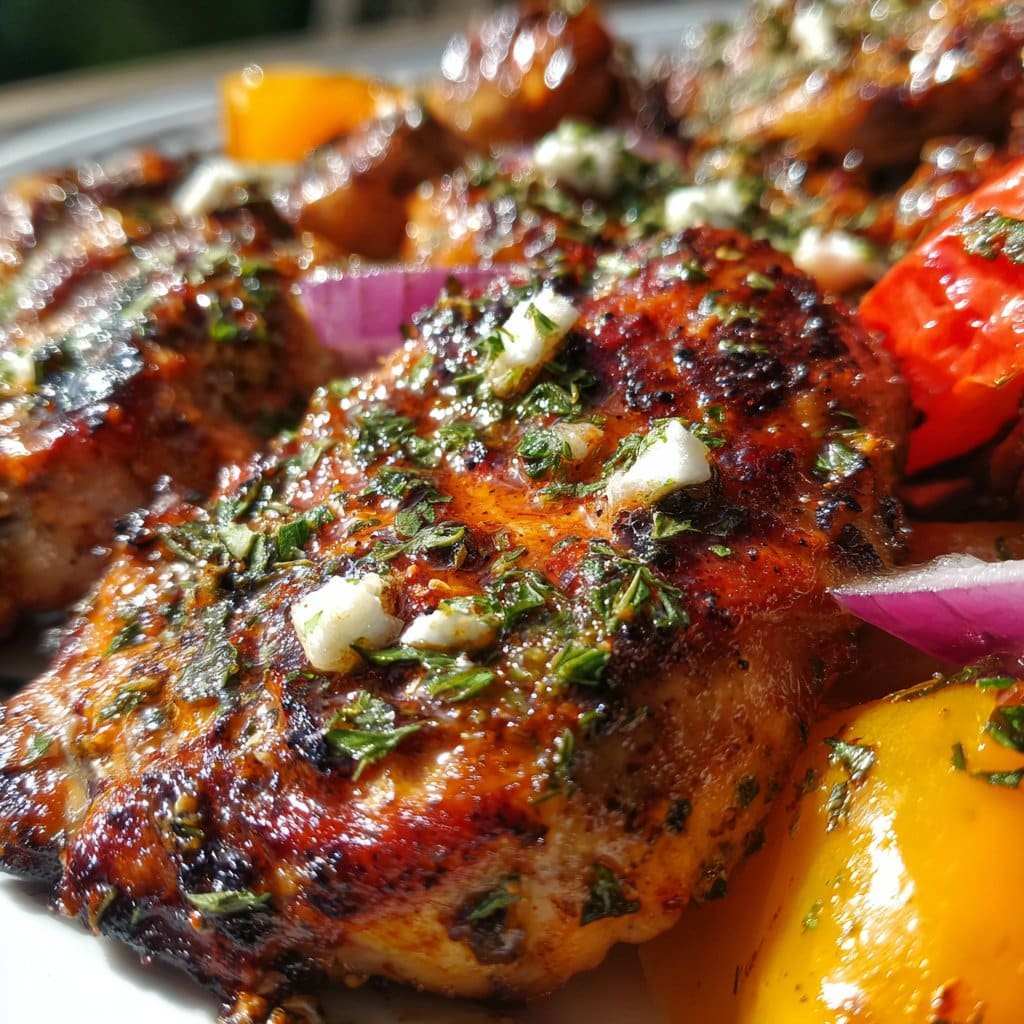
- Preheat your grill or oven to medium-high. I usually grill the chicken for about 6 minutes a side, but honestly, go by feel. Juices should run clear. If you’re baking, 400°F (200°C) for about 20-25 minutes does the trick. Don’t worry if it looks pale before you cook it—the magic happens in the oven or on the grill!
- Let it rest for a few minutes before slicing. I always sneak a bite here, just to “check for doneness.”
Notes I’ve Learned (The Hard Way)
- Don’t marinate for more than 24 hours. Once, I forgot and left it for two days—turned weirdly mushy, like sad chicken pudding. Would not recommend.
- Actually, I find it works better if you pat the chicken dry before marinating. Less watery, more flavor.
- Lemon zest makes a difference, but if you forget it (like I have many times), it’s still really tasty.
Variations I’ve Tried (Some Winners, One Fail)
- Swapped out the lemon for orange once—not bad, just sweeter. Kind of like a Greek-ish twist on orange chicken.
- Added a spoonful of Dijon mustard once—gave it a nice kick.
- Tried it with tofu and halloumi for my vegetarian mate—both were surprisingly good, though the halloumi stuck to the grill. Lesson learned: oil your grill!
- Once, I added rosemary—honestly, it tasted like Christmas and Greece had a weird baby. Probably not for me.
Equipment (Or How I Make Do)
- A bowl or zip-top bag for marinating (but, honestly, I’ve just used a big Tupperware and called it a day.)
- Grill or oven—if you don’t have either, a big frying pan works fine. Just mind the splatters.
- Zester is handy, but if you don’t own one, I’ve used a veggie peeler and then chopped the peel fine. Works in a pinch!
How To Store (Though It Never Lasts Here)
Store any leftover cooked chicken in an airtight container in the fridge—good for up to 3 days, though honestly, in my house it vanishes by the next afternoon. If you want to freeze it, go ahead, but I think the texture is best fresh. (Microwaving is fine, just don’t expect the skin to be crisp.)
Serving This Greek Chicken—My Favorite Ways!
I love slicing it over a big Greek salad with loads of feta; sometimes I wrap it up in pita with tomato, cucumber, and a homemade tzatziki (I use Cookie & Kate’s recipe, super easy). My family likes it with roast potatoes and lemon rice. And, if I’m feeling fancy, I’ll serve it with a cold glass of white wine—tastes like a Greek holiday, minus the airfare.
Pro Tips (Learned the Hard Way, So You Don’t Have To)
- I once tried rushing the marinade time—bad idea. It tasted like lemony plain chicken. Give it at least 30 minutes.
- If you forget to oil the grill, the chicken will stick. Every. Time. (Ask me how I know.)
- On second thought, if you’re using chicken breasts, pound them a bit so they cook evenly. Trust me, dry chicken is sad chicken.
Greek Chicken Marinade FAQ (Real Questions!)
- Can I use this marinade for other meats?
- Yeah, absolutely! Pork works great, and I’ve tried it on shrimp too—just marinate shrimp for less time (like, 20 mins tops).
- What if I don’t have lemon?
- I’ve used red wine vinegar in a pinch; it’s not exactly the same, but it works. Bit tangier, but still tasty.
- Do I have to grill it?
- Nope—oven, grill, frying pan, whatever you like. I’ve even baked it in the air fryer (took about 18 mins at 360°F—came out juicy!)
- Can I double or halve the marinade?
- For sure. I’ve doubled it to freeze extra chicken for quick dinners, and halved it for small batches. Just eyeball it—this recipe isn’t fussy.
- What do you serve with this?
- Honestly? Usually whatever’s easy. Salad, rice, some leftover pita bread—once, just with kettle chips. Don’t judge!
Sorry, just realized I never mentioned—if you get tired of chicken, this is great with veggies too. Aubergine, zucchini, you name it. Anyway, hope you enjoy this as much as we do. If you want even more Greek inspiration, check out Olive Tomato—she’s got fantastic Greek food ideas. And hey, if you try a weird variation, let me know if it works!
Ingredients
- 4 boneless, skinless chicken breasts
- 1/3 cup extra virgin olive oil
- 1/4 cup fresh lemon juice
- 3 cloves garlic, minced
- 2 teaspoons dried oregano
- 1 teaspoon dried thyme
- 1 teaspoon salt
- 1/2 teaspoon freshly ground black pepper
- 1 tablespoon chopped fresh parsley (optional, for garnish)
Instructions
-
1In a medium bowl, whisk together olive oil, lemon juice, minced garlic, dried oregano, dried thyme, salt, and black pepper.
-
2Place chicken breasts in a large resealable bag or shallow dish. Pour the marinade over the chicken, ensuring all pieces are well coated.
-
3Seal the bag or cover the dish and refrigerate for at least 30 minutes, or up to 4 hours for maximum flavor.
-
4Preheat grill or oven to medium-high heat. Remove chicken from marinade and discard excess marinade.
-
5Grill or bake chicken for 6-8 minutes per side, or until fully cooked and juices run clear.
-
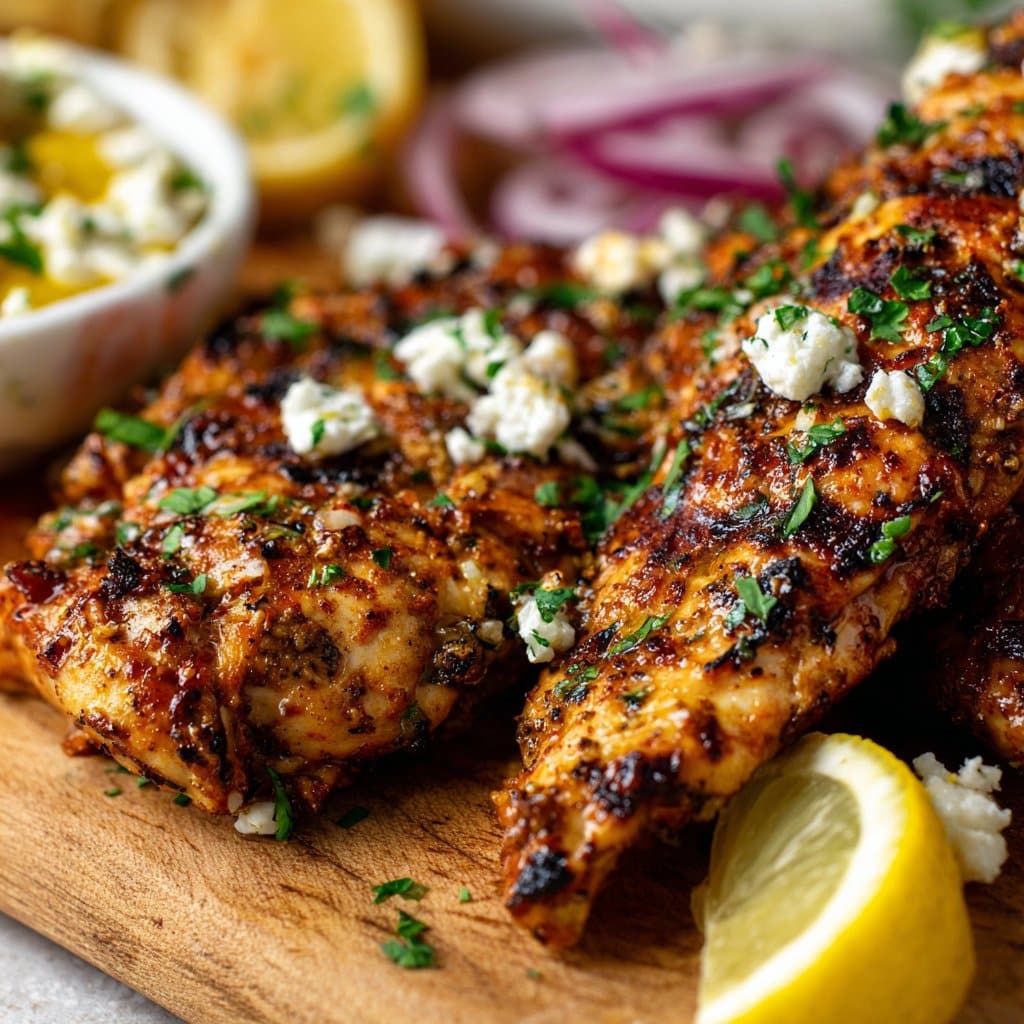
6Let chicken rest for 5 minutes before slicing. Garnish with fresh parsley if desired and serve.
Approximate Information for One Serving
Nutrition Disclaimers
Number of total servings shown is approximate. Actual number of servings will depend on your preferred portion sizes.
Nutritional values shown are general guidelines and reflect information for 1 serving using the ingredients listed, not including any optional ingredients. Actual macros may vary slightly depending on specific brands and types of ingredients used.
To determine the weight of one serving, prepare the recipe as instructed. Weigh the finished recipe, then divide the weight of the finished recipe (not including the weight of the container the food is in) by the desired number of servings. Result will be the weight of one serving.
Did you make this recipe?
Please consider Pinning it!!