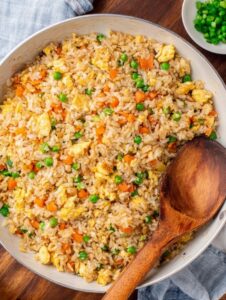
Just Between Us: Why Homemade Fried Rice Is My Go-To
Okay, honest confession: I started making homemade fried rice because actual takeout keeps going up in price (my wallet physically winces). The first time I tried it was a borderline disaster. Rice was all gluey, peas everywhere except the pan—somehow even found one in my sleeve. But a couple of tries later? Well, now this is my emergency dinner secret weapon. Whenever there’s random bits and bobs in the fridge, I toss it all in, and shockingly, the family acts all impressed (my daughter legit asked if I used a magic spice one time). Cue smug chef face.

Also, I once served this at a new year’s party and some neighbor (who, to be fair, never eats carbs) went back for a second helping. I’ll take that as a win!
Why I Keep Coming Back to This Recipe
I make this when the fridge looks like a ghost town, but we’ve got cold rice and some eggs rolling around. My family goes a bit bonkers for it—maybe it’s the dash of soy sauce or just the fact it gives off those comforting late-night takeout vibes? Not to be dramatic, but it’s saved more than a couple weeknights in my house.
Once, I panicked because I ran out of green onions but just threw in some chopped chives; not a single complaint (okay, except my son, but that’s another story).
Gathering Ingredients (But Don’t Sweat the Details)
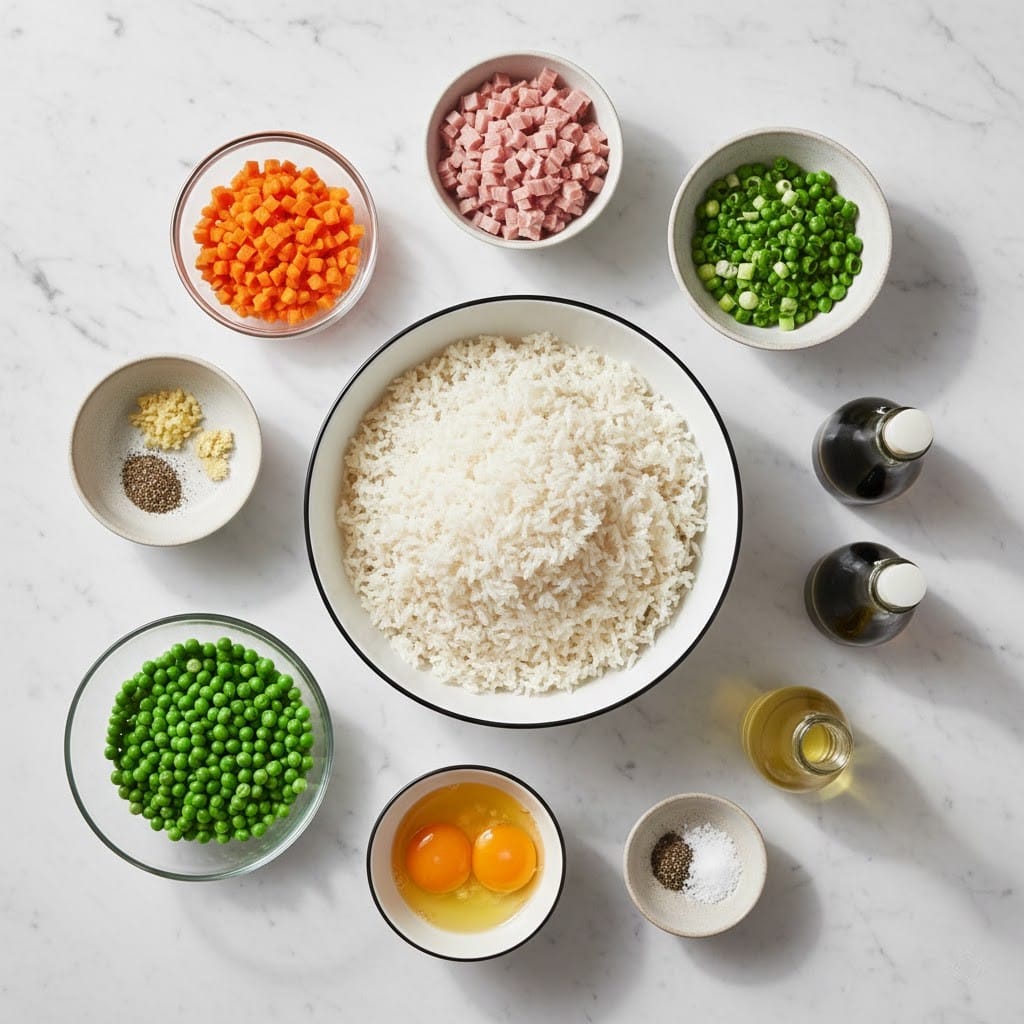
- 3 cups cooked rice (leftover and cold! Fresh rice gets kinda mushy—trust me. I use jasmine a lot but Uncle Ben’s works in a pinch.)
- 2 tablespoons oil (vegetable, canola, or even light olive oil. My grandma swore by sesame oil, but wow, that’s strong, so maybe just a dash!)
- 2-3 eggs, whisked (sometimes I skip an egg if I’m down to my last one. No fried rice police will show up.)
- 1 cup frozen peas/carrots mix (when I’m feeling fancy, I chop up leftover veg—snap peas, bell peppers, broccoli stalks even. My mate Lucy uses corn, which actually works!)
- 3 spring onions, chopped (or chives or—honestly, even shallots pick up the slack okay)
- 2-3 tablespoons soy sauce (dark soy is nice if you want richer color, but I say use what’s handy)
- 1 teaspoon grated ginger (I do this maybe half the time; sometimes I just sprinkle in dried ginger and move on)
- 2 garlic cloves, minced (unless you’re out. Then garlic powder is your savior, just go easy)
- Optional bits: leftover chicken, shrimp, tofu cubes, or just toss in all those half-sad veggies hiding out in the crisper drawer
How I Actually Whip This Up: (Don’t Panic, It’s Easy)
- Start with a big pan or wok. Heat up the oil until it’s just shimmering. If you don’t have a wok, your biggest frying pan (even a pot, in a desperate moment) is just fine.
- Add whisked eggs to one half of the pan. Let them set just a little, stir around—sort of scramble them, but don’t stress if they look a bit clumpy; they’ll break up more in a minute.
- Scoot those eggs aside and toss in the veg (peas, carrots, anything else), plus garlic and ginger. Stir it all soundly for about 2 minutes, till the veg softens up and you start to smell dinner vibes.
- Add rice straight form the fridge (don’t worry if it looks like little bricks. Just break it up with your spatula and muscle.) Keep everything moving to avoid sticking; I used to stand there anxiously, but it’s not as sensitive as you’d think.
- Soy sauce time! Pour it over, drizzle extra if you like it salty (my husband practically drinks the stuff). Stir it in, mixing well—the rice should take on a nice color, and if it looks a bit pale, actually, I find it works better if you add a bit more and keep stirring. Now’s the time to taste; sometimes I sneak a spoonful, but don’t burn your tongue.
- Stir in green onions last. Fold them in, cut the heat. Taste again—need more soy? Pepper? Chili flakes? Do your thing.
- Serve steaming hot. If you want to get fancy, sprinkle sesame seeds on top. Or don’t. We all know it’s basically gone in 10 minutes anyway.
Notes from Bumpy Roads (Aka, How I Learned)
- Once I tried using warm, just-cooked rice and it turned into a sticky blob—not my proudest moment.
- If your rice’s clumping won’t budge, give it a fierce stir with the back of a spoon. Or, very gingerly, use clean hands.
- Forgot to defrost the peas? Run them under warm water for ten seconds—works like a charm.
- Lately I’ve started adding a squeeze of lime. It’s not traditional but, wow, freshens things up.
If You Fancy Mixing Things Up
- Once, I tossed in diced pineapple (like a Hawaiian takeout vibe)
—good, but a touch too sweet for me. My husband liked it, though, go figure. - Leftover roast pork or shredded rotisserie chicken: game changing.
- I tried cauliflower “rice” once; texture was… meh. Not my cup of tea, but maybe you’ll like it!
- Add sriracha or chili crisp if you love heat (I do until someone else complains about their tongue tingling). Or… try a shake of curry powder for a different spin.
Can’t Find That One Thing? Here’s What I Use Instead
All you really need is a decent spatula (wooden works best, but who cares). I once used a salad tongs; it worked well enough, which surprised me. And if you’re down a wok? Use a big skillet, just make sure to keep things moving so nothing scorches.
Leftover Storage (Not That I Ever Have Any…)
It’ll keep fine in an airtight container in the fridge for up to 3 days, though honestly, in my house it never lasts past the next morning. Sometimes it tastes better the next day (or is that just because I eat it cold while standing in front of the fridge?).
How I Serve It Up at Home
Usually just pile it in bowls and eat straight up. But sometimes, if I’m feeling a bit flash, I’ll fry an extra egg and plop it on top—family tradition picked up from a college roommate. Or add a dash of sriracha if it’s one of those days.
Real-Life Hard-Won Tips
- Don’t rush the pan preheating; once I tried saving time, ended up with soggy rice. Yikes.
- Prepping everything before you start is best—I used to scramble (ha) mid-cooking and panic when the eggs were about to burn.
- Soy sauce: start light, then taste and build it up. Overdoing is a sad situation, trust me.
Quick Question Time (Honestly, I’ve Been Asked These)
- Can I use brown rice? Yep! It’s a bit chewier and sometimes I think it tastes even better the next day.
- Does it freeze okay? Hmm, I’d say it’s alright but it does dry out. Add a splash of water and quick-fry to revive.
- What about making it vegan? Ditch the eggs, up the veggies, and use tofu or edamame if you’ve got ‘em. Easy as.
- Help, it’s all sticking to the pan! More oil, hotter pan, and keep it moving—that’s become my mantra. Also, maybe your pan’s seen better days (mine is about to retire).
- Can I add more protein? Heck yes. Leftover steak, prawns, even some shredded cheese once (don’t judge!).
And, just because someone always asks: No, you don’t need to use MSG, unless you want to. I never bother and no one’s noticed. If you’re tempted, sprinkle a teeny bit and see what you think.
Oh, speaking of things that don’t really fit anywhere, did you know cats apparently love plain cooked rice? At least mine does. Discovered that one day when I turned my back for two seconds.
Ingredients
- 3 cups cooked white rice (preferably cold)
- 2 tablespoons vegetable oil
- 2 large eggs
- 1 cup frozen mixed vegetables (peas, carrots, corn)
- 3 green onions, sliced
- 2 cloves garlic, minced
- 3 tablespoons soy sauce
- 1 tablespoon sesame oil
- Salt and pepper to taste
Instructions
-
1Heat 1 tablespoon vegetable oil in a large skillet or wok over medium-high heat.
-
2Add the beaten eggs and scramble until just cooked through. Remove eggs and set aside.
-
3Add remaining oil to the pan. Stir-fry garlic and mixed vegetables for 2-3 minutes until heated.
-
4Add the cold rice, breaking up any clumps, and cook for 2-3 minutes, stirring frequently.
-
5Return cooked eggs to the pan, add soy sauce and sesame oil, and mix well.
-
6Stir in sliced green onions, season with salt and pepper, and cook for another minute before serving.
Approximate Information for One Serving
Nutrition Disclaimers
Number of total servings shown is approximate. Actual number of servings will depend on your preferred portion sizes.
Nutritional values shown are general guidelines and reflect information for 1 serving using the ingredients listed, not including any optional ingredients. Actual macros may vary slightly depending on specific brands and types of ingredients used.
To determine the weight of one serving, prepare the recipe as instructed. Weigh the finished recipe, then divide the weight of the finished recipe (not including the weight of the container the food is in) by the desired number of servings. Result will be the weight of one serving.
Did you make this recipe?
Please consider Pinning it!!