Let Me Tell You About This Maple Mustard Pork Tenderloin…
Ok, picture this: it’s a Thursday night, I’m tired, and my kid’s complaining there’s nothing ~fun~ for dinner (as if I haven’t just made three different types of pasta this week). But then I remembered this maple mustard pork tenderloin recipe from my friend Anna, and, well, the table went quiet—except for chewing, which is a good sign around here. The first time I made it, I absolutely overcooked the pork and my smoke alarm serenaded us (classy ambiance, right?), but over time, I’ve figured out a little shortcut (plus I learned to turn on the vent fan first, ha!).
Why You’ll Love This—Or At Least, Why We Do
I make this when I want dinner to feel “fancy” but only have, like, 30 minutes (okay, more like 40 if I’m distracted by a podcast). My family goes absolutely bonkers for that sweet-savory thing—it’s become a surprise go-to when the in-laws pop over. The maple syrup caramelizes a bit and the mustard just pokes you in the taste buds. And honestly, if you’re not a pork tenderloin fan, you might become one (just sayin’…or not, up to you). Also, it’s forgiving: one time I realized I was out of Dijon and subbed in this weird grainy mustard and it still tasted amazing, so there’s that.
Grab These Ingredients (or, whatever’s closest)
- 1 (about 1 to 1.25 lbs) pork tenderloin—Sometimes I use two if I’m feeding a crowd or just feeling hungry
- 1/4 cup real maple syrup (Aunt Jemima is fine, but real-deal stuff wins, promise)
- 2.5 tablespoons Dijon mustard—Or spicy brown, or even honey mustard in a pinch (my gran swore by French’s, but I’m flexible)
- 1.5 tablespoons whole grain mustard—optional, but I swear it makes the sauce fancy
- 1 tablespoon olive oil (or canola, or heck, use butter if you’re feeling wild)
- Big pinch of salt and black pepper
- 1 teaspoon fresh thyme, chopped (or grab that dried stuff from the back of your cupboard—no judgment here)
Here’s What To Do (Or Close Enough)
- Heat your oven to 425°F (that’s about 220°C). I usually forget and have to wait, but you do you.
- Mix the maple syrup, both mustards, oil, thyme, salt, and pepper in a bowl. This is where I sometimes sneak a taste, just to make sure it’s not “too mustardy.” It’s usually perfect.
- Pat the pork dry (sounds fussy, but it actually helps the crust). Place it in a roasting tin or on a lined baking sheet. Pour that golden sauce all over—every bit. Roll the pork around to coat.
- Roast, uncovered, for about 20-25 minutes. Personally, I check at 18 minutes ’cause my oven likes to pretend it’s a blast furnace. Give it a poke or use a meat thermometer, aiming for 145°F in the thickest bit. Don’t sweat if it’s a little over—the sauce hides a multitude of sins.
- Let it rest for at least 5 minutes (I sometimes forget and slice early, but letting it sit really helps the juiciness).
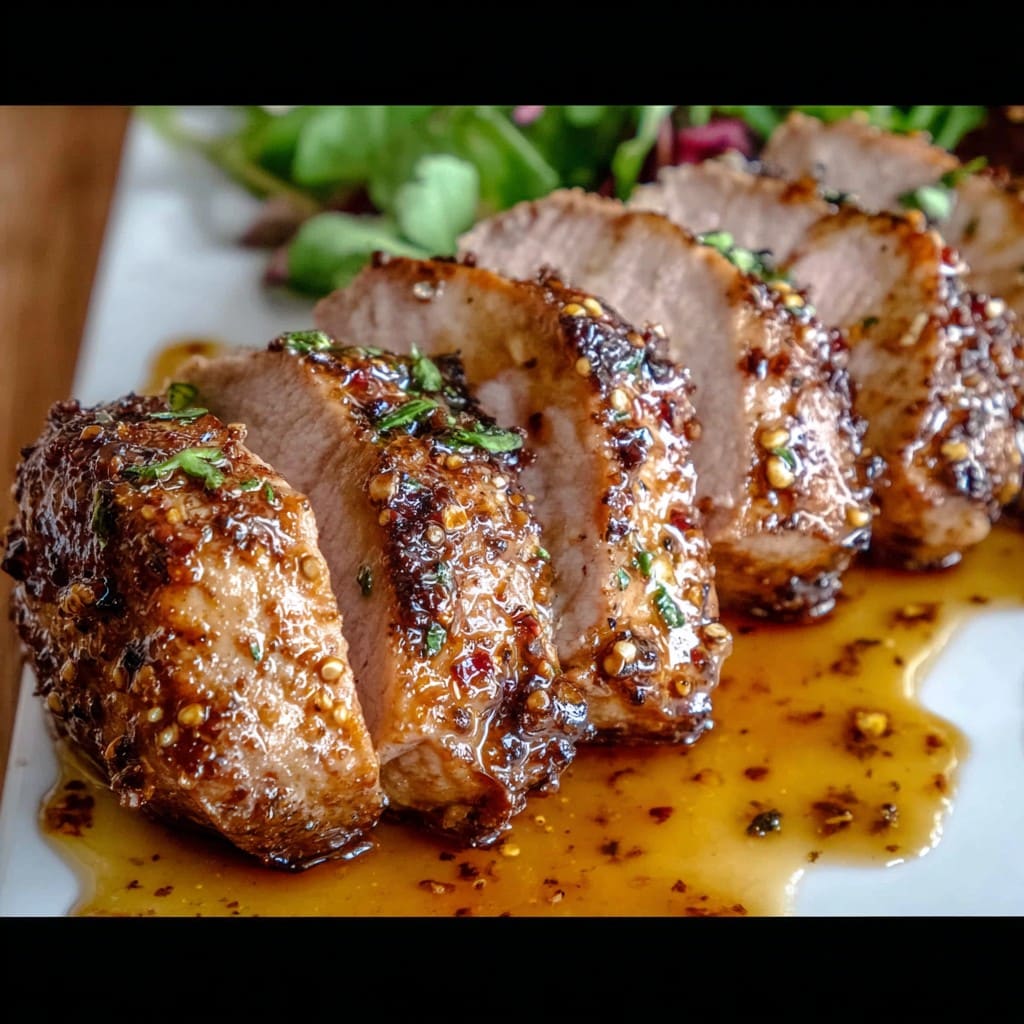
- Slice into thick-ish medallions. Feel free to drizzle whatever sauce pooled in the pan right over them. We fight over these pan juices in my house—no shame.
Some Notes From My Many, Many Test Runs
- Actually, I find it works better if you sear the pork in a hot skillet for 2 minutes per side before roasting, but, I skip this half the time and nobody really notices
- If your sauce seems to burn a bit in the pan, just scrape up those dark bits—they’re packed with flavor (unless it’s full-on black, then maybe not)
- I once tried using maple-flavored pancake syrup—let’s not talk about that result
Variations I’ve Tinkered With (The Good, The…Not So Much)
- Subbed honey for maple during a sugar shortage: pretty good, just not as fancy-smelling
- Used chicken thighs instead of pork: shockingly tasty, but way messier for some reason
- I tried balsamic—not my best idea. It was…tangy. Like, whoa, pucker up
- Add a handful of chopped pecans before roasting; nice for crunch if you’re feeling Southern
Equipment You’ll Need (Or What I Faked)
- One sturdy roasting pan (my sheet pan with some foil works too—I forget the real one in the garage)
- Meat thermometer (strongly recommended, but—confession—I sometimes just poke to check doneness)
- Mixing bowl and a brush or spoon for sauce slathering
How To Store Leftovers—If You Even Have Any
Chuck leftovers in a tightly sealed container, stick’em in the fridge, and they’ll keep about 2-3 days, no problem. But in my place, it barely lasts a day before someone sneaks a cold slice. It’s honestly delightful in next-day sandwiches. I’ve read some people freeze pork tenderloin (here’s good tips on that), but I’ve never managed to have enough leftovers myself.
How I Serve It (Your Way Is Fine Too)
I love it with mashed potatoes, a pile of garlicky green beans, or—if I’m aiming for bonus points—a crusty baguette to mop up the extra sauce. My dad always insisted it tastes best with roasted carrots. Actually, the next day with a simple salad is my favorite (if there’s any left).
Pro Tips From My Mistakes
- I once tried rushing the resting step and ended up with pork rain (yes, juice everywhere—messy and a little sad)
- Don’t skimp on the salt; trust me, bland pork is a bummer
- If you’re using foil on your roasting pan, spray it first or you’ll be prying off the sticky bits for ages
FAQ—Answers To Actual Questions (Or, My Best Guess)
- Can I prep this ahead?
Yes, just marinate the pork in the sauce for up to 8 hours. I usually do it for 20-30 minutes (impatience, what can I say?). - What if I don’t have both mustards?
No worries! Use whatever you have, even if it’s yellow mustard. It’ll just have a bit more zip! - Do I need the thyme?
Nah, but it adds a nice hint. I skip it sometimes, to be honest. - Why is my pork dry?
Probably overcooked (join the club). Try pulling it out at 140°F; as it rests, it’ll finish up to juicy perfection. - Is this kid-friendly?
My daughter loves it, but your mileage may vary. If they’re mustard-haters, maybe start light and sweet. - Any wine recs?
I usually pour a glass of (affordable) Pinot Noir. But whatever you like, honestly!
Sidebar—Totally nonessential, but the last time I made this, my cat tried to jump up on the counter and snagged a piece. So… pet-approved, I guess?
Ingredients
- 1 1/4 lb pork tenderloin
- 1/4 cup pure maple syrup
- 3 tablespoons Dijon mustard
- 1 tablespoon whole grain mustard
- 2 cloves garlic, minced
- 1 tablespoon olive oil
- 1 teaspoon fresh thyme, chopped
- Salt and black pepper to taste
Instructions
-
1Preheat oven to 400°F (200°C) and line a baking sheet with parchment paper.
-
2Pat pork tenderloin dry, season with salt and black pepper, and place on the baking sheet.
-
3In a small bowl, whisk together maple syrup, Dijon mustard, whole grain mustard, minced garlic, olive oil, and thyme.
-
4Brush half of the maple mustard glaze over the pork tenderloin, reserving the rest.
-
5Roast pork tenderloin for 25–30 minutes or until the internal temperature reaches 145°F (63°C), basting halfway with remaining glaze.
-
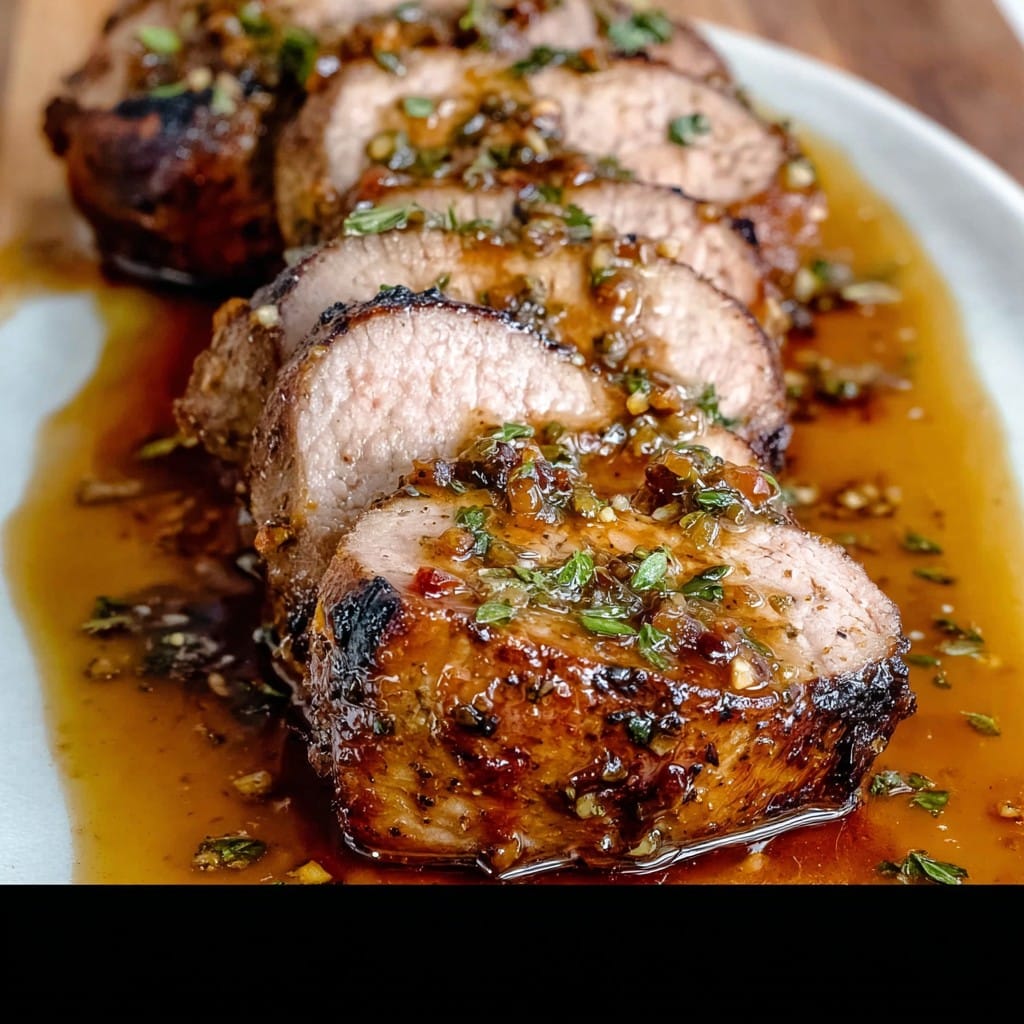
6Remove from oven, let rest for 5 minutes, then slice and serve.
Approximate Information for One Serving
Nutrition Disclaimers
Number of total servings shown is approximate. Actual number of servings will depend on your preferred portion sizes.
Nutritional values shown are general guidelines and reflect information for 1 serving using the ingredients listed, not including any optional ingredients. Actual macros may vary slightly depending on specific brands and types of ingredients used.
To determine the weight of one serving, prepare the recipe as instructed. Weigh the finished recipe, then divide the weight of the finished recipe (not including the weight of the container the food is in) by the desired number of servings. Result will be the weight of one serving.
Did you make this recipe?
Please consider Pinning it!!