Let Me Tell You About My Mashed Potato Obsession
So, mashed potatoes. If you know me at all, you know I make these any time I’m craving something warm and comforting (which if I’m being honest is pretty much all the time once the weather dips below “t-shirt friendly”). The first time I made them solo, I was about twelve, and my only goal was to make them less lumpy than my brother’s, which, embarrassingly, I absolutely failed at. Anyway, mashed potatoes are my go-to for family dinners, rainy days, or when I’ve had a week that just needs carby therapy. Oh—and once, I dropped an entire bowl on my dog’s tail. He still gives me side-eye whenever he hears the mixer.
Why You’ll Love This (Or At Least, Why I Do)
I make these when I want everyone at the table to actually shut up for a few minutes and just eat, because honestly, it works every time. My family goes crazy for these, especially my cousin Jake, who puts ketchup on his (which I will never understand, but you do you). Sometimes the potatoes come out extra fluffy, sometimes not so much, but they’re always tasty. Oh, and if you’ve ever ended up with gluey potatoes (I did, more than I care to admit), I promise my method dodges that mess—mostly.
Here’s What You’ll Need (And Some Stuff You Can Swap)
- 2 pounds of potatoes (Russets are classic, but Yukon Golds work if that’s what’s rolling around in your pantry. My grandmother actually swore by the cheap store brand when she was feeling thrifty.)
- 4 tablespoons butter (I’ll be honest, sometimes a little extra “falls in” when I’m not watching.)
- About 1/2 cup milk (You can use cream for extra richness, or heck, even oat milk works in a pinch. I tried almond milk once—don’t recommend it.)
- Salt and black pepper to taste (I go heavy on both but that’s just my thing.)
- Optional: a dollop of sour cream or a handful of shredded cheese, if you fancy. Once I tossed in some roasted garlic and, wow, game changer.
How I Actually Make Mashed Potatoes (No Judgment)
- Peel your potatoes (or just wash and leave the skins on for a more rustic vibe—I switch it up depending on my mood, or if I’m feeling particularly lazy). Chop them into about 1-inch chunks so they cook quickly and evenly.
- Toss the potatoes into a big pot, cover with cold water (this is important, warm water messes with the cooking time and they get weirdly mushy at the outside but hard in the middle—trust me). Add a hefty pinch of salt, like the sea after a rainstorm. Bring it to a boil; let them bubble away for about 15-20 minutes or until they’re fork-tender. I always poke one or two, and if they fall apart, you’re good.
- Drain the potatoes well. This is where people get tripped up: you want them pretty dry, or you’ll end up with watery mash. (Sometimes I let them sit back in the hot pot for a minute or two, just to steam off the last bit of water.)
- Add in your butter and most of the milk (save a splash for later). Grab your masher, or a fork if you must (I’ve used a wine bottle in a pinch, not proud). Mash until smooth-ish, or until your arm gets tired. Actually, I like a few lumps, but if you don’t, just keep going.
- Stir, taste, add more milk if needed, and season with salt and pepper. This is where I usually sneak a taste and then get distracted and forget to finish the rest of dinner. Add in any extras—sour cream, cheese, herbs, whatever your heart desires.
Stuff I’ve Learned (Sometimes The Hard Way)
- If you overwork the potatoes, they get gluey. I once tried using a food processor and ended up with something that could hold up wallpaper. Stick to hand-mashing, trust me.
- Starting with cold water means they cook evenly—if you drop them into boiling water, the outsides turn to mush faster than the insides know what’s happening.
- Don’t stress if they’re a bit lumpy; no one ever complained at my table (except maybe my brother, but he doesn’t count).
Variations I’ve Tried (Some Winners, Some…Not)
- Roasted garlic mashed potatoes: Roast a whole head of garlic, squeeze it in, mash it up. So good.
- Cheesy mashed: Add a big handful of sharp cheddar; it melts right in. Kids go nuts for this.
- Herb mash: Stir in some chives or parsley at the end, it’s like turning the volume up on the flavor.
- I once tried a version with wasabi, inspired by a sushi night. It was…well, let’s just say, not my finest hour—but you might like it?
What If You Don’t Have All The Gear?
If you don’t have a masher, use a sturdy fork, or honestly, the bottom of a mug works in a pinch. I’ve even seen a friend use her hands (potatoes were cool enough, she’s not a complete maniac). If you have a ricer, great, but don’t let anyone tell you it’s “essential.” I didn’t even know what one was until last year.
Storing Leftovers (If That Ever Happens)
Just pop leftovers into a container and stick them in the fridge. They’ll last about 3 days—though honestly, in my house they rarely make it through one. These actually taste even better the next day, maybe because the flavors hang out together overnight? Reheat gently with a splash of milk. Or fry ’em in a pan for breakfast, which is criminally underrated.
How We Serve (And Sometimes, Argue)
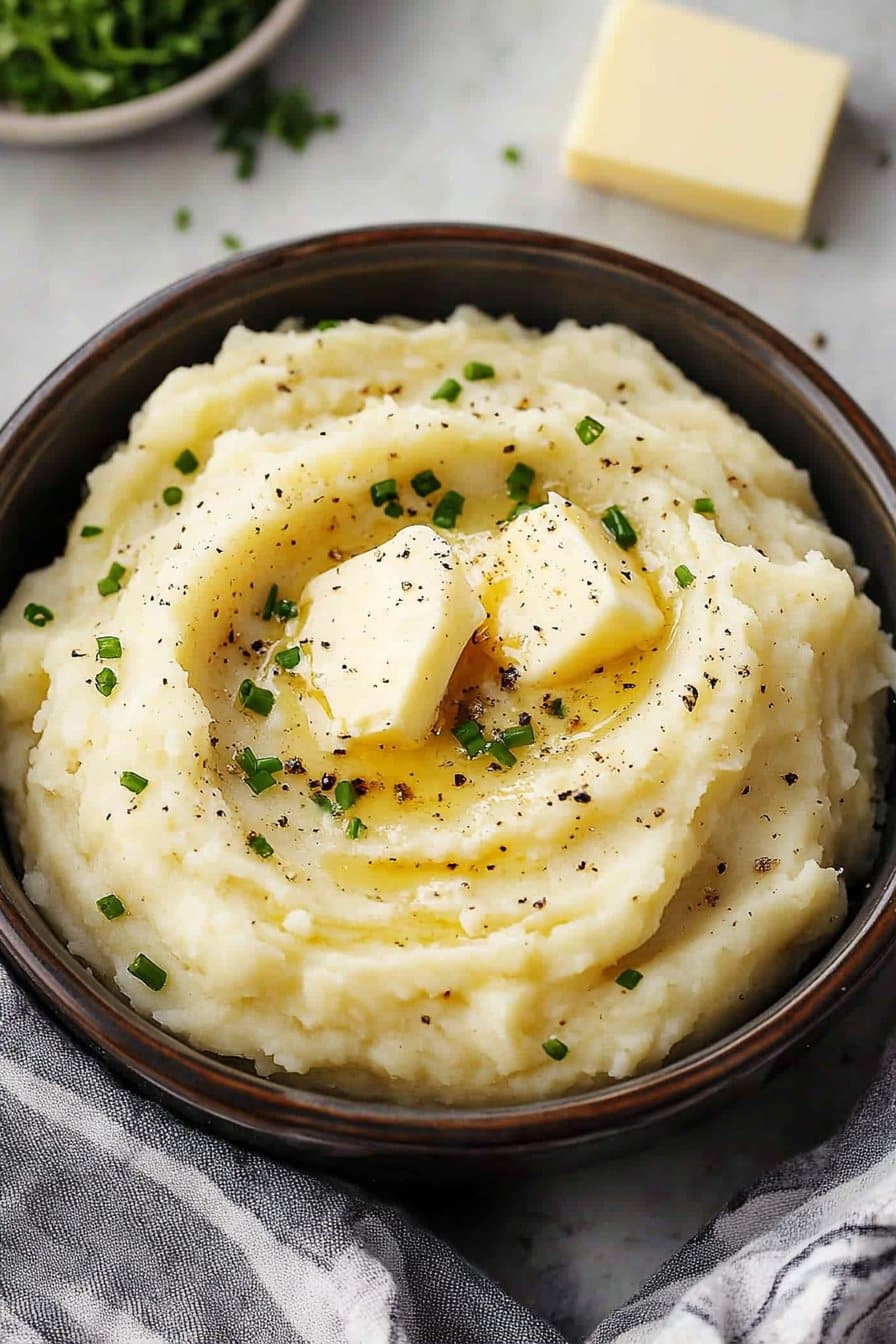
I serve these straight in the pot (hey, fewer dishes), usually with a very questionable amount of gravy. My family has this ongoing feud over whether mashed potatoes should have a gravy “lake” or just a drizzle; I say, it’s your plate, treat yourself. Sometimes we top with chives if we want to feel fancy, but more often than not, it’s just a big, happy scoop. If you want to see some gravy tricks, Serious Eats has a decent guide.
Lessons Learned (The Hard Way)
- I once tried to rush the boiling stage—bad idea. Undercooked potatoes are a crime against dinner tables everywhere.
- Too much liquid? You can always add, never subtract. (Kind of like salt, but with more potential for disaster.)
- Actually, I find it works better if you taste as you go, not just at the end.
Questions Folks Have Actually Asked Me (No, Really)
Can I make these ahead? Totally! Just don’t add all the milk at first; save some for reheating. But honestly, they’re best fresh.
What kind of potatoes are best? I like Russets ’cause they’re fluffier, but you could use Yukon Golds for something creamier. Red potatoes are a bit waxy—I tried them once and, eh, not my fave.
Help! My mash is gluey, what did I do? Probably over-mixed ’em (been there). Next time, just mash till smooth and stop; don’t go wild with the stirring.
Do I need to peel the potatoes? Nah! Sometimes I leave the skins on, especially if they’re thin-skinned or I’m feeling “rustic” (read: lazy).
If you want to go deeper into potato lore (and who doesn’t?), check out this BBC Good Food guide—they’re delightfully nerdy about it.
One Last Thing
I know this was supposed to be all about mashed potatoes, but can we talk about how much better they are with a side of peas? Or is that just me? Anyway, enjoy, and if you spill any on your dog, tell him I’m sorry.
Ingredients
- 2 pounds russet potatoes, peeled and cut into chunks
- 4 tablespoons unsalted butter
- 1/2 cup whole milk
- 1/4 cup sour cream
- 1 teaspoon salt
- 1/2 teaspoon black pepper
- 2 cloves garlic, minced
- 2 tablespoons chopped fresh chives (optional)
Instructions
-
1Place the peeled and chopped potatoes in a large pot and cover with cold water.
-
2Add a pinch of salt and bring the water to a boil over medium-high heat. Reduce heat and simmer for 20-25 minutes, or until potatoes are fork-tender.
-
3Drain the potatoes well and return them to the pot. Add butter, minced garlic, and mash until smooth.
-
4Gradually stir in the milk and sour cream until the potatoes reach your desired creaminess.
-
5Season with salt and black pepper to taste. Stir in chopped chives if using.
-
6Serve hot as a side dish.
Approximate Information for One Serving
Nutrition Disclaimers
Number of total servings shown is approximate. Actual number of servings will depend on your preferred portion sizes.
Nutritional values shown are general guidelines and reflect information for 1 serving using the ingredients listed, not including any optional ingredients. Actual macros may vary slightly depending on specific brands and types of ingredients used.
To determine the weight of one serving, prepare the recipe as instructed. Weigh the finished recipe, then divide the weight of the finished recipe (not including the weight of the container the food is in) by the desired number of servings. Result will be the weight of one serving.
Did you make this recipe?
Please consider Pinning it!!