Let Me Tell You About This Cake (And a Little Story)
Alright, so you know those times when you crave something bright and lemony but also need a proper cake (not just a sad lemon bar)? Well, that’s when I reach for Paul Hollywood’s Lemon cream filled Cake recipe. The first time I baked it, my kitchen smelled like a citrus grove and my dog actually wandered in, nose twitching (honestly, she looked almost as excited as I was). I did manage to drop a bit of flour on the floor, which she took as an invitation, but let’s not dwell on my clumsy moments. This cake is the kind of bake that gets family members drifting in from other rooms. And I won’t lie, I had to hide a slice for myself at the back of the fridge once—totally worth the stealth mission.
Why You’ll Love This Cake (Trust Me)
I make this when I want something that’s sunny and feels a bit special, but also isn’t fussy. My family goes absolutely bonkers for it (even my brother, who claims he ‘doesn’t like cake’—liar). It’s the tangy lemon cream that gets everyone. And the texture! Moist but somehow still light. Sometimes the filling oozes out a bit, which used to bug me, but now I just call it rustic and move on. If you’re a fan of lemon meringue, this is its cousin who went to art school. Plus, it’s one of those bakes that looks impressive with barely any faff. (Honestly, I’ve made bigger messes with toast.)
What You’ll Need (And Little Swaps I Use)
- 225g unsalted butter (softened; I sometimes use salted and just skip the pinch of salt later)
- 225g caster sugar (granulated works if you’re not fussy, but caster does mix better)
- 4 large eggs (I once used 3 really big ones and it was fine, though a bit more dense)
- 225g self-raising flour (plain flour plus a teaspoon of baking powder is what I grab if I’m out)
- Zest of 2 lemons (I’ve used limes in a pinch—surprisingly tasty, if a bit non-traditional)
- Pinch of salt (skip if using salted butter)
-
For the Lemon Cream:
- 250ml double cream (whipping cream in the States works too, it’s more forgiving than you’d think)
- 100g icing sugar (confectioners’ sugar—sometimes I just eyeball it, if I’m honest)
- Zest and juice of 1 lemon
- Half a teaspoon vanilla extract (can skip if you like it super lemony)
- Icing sugar for dusting (I’ve forgotten this more than once and nobody’s noticed, but it does look nice)
How I Make It (With a Few Honest Moments)
- First, get your oven on—180°C (fan 160°C) or 350°F. Grease and line two 20cm round cake tins. If you only have one, just bake in batches. I once tried to make one tall cake and slice it—don’t recommend, it got a bit… lopsided.
- Cream the softened butter and sugar together till pale and fluffy. This is where I usually sneak a little taste (just for quality control, obviously).
- Add the eggs, one at a time, mixing well after each. Don’t panic if it looks a bit curdled—it always sorts itself out once the flour goes in.
- Gently fold in the flour, salt, and lemon zest. I use a spatula, but a big spoon or even clean hands work if you’re feeling rustic.
- Divide the mixture between your tins and smooth the tops. Bake for about 23-28 minutes, or until they’re golden and a skewer comes out clean. Don’t open the oven too soon (I’ve done it, it sank a bit, still delicious though).
- Let the cakes cool in the tins for 10 minutes, then turn out onto a rack. They need to be properly cool before you fill them, or the cream goes everywhere—ask me how I know.
- For the lemon cream, whip the cream till it just holds peaks, then gently fold in the icing sugar, lemon juice, zest, and vanilla. Don’t overwhip; it’s a slippery slope from soft peaks to butter, and I’ve definitely gone too far once or twice (still usable, just… chunkier).
- Spread half the cream on the bottom half, sandwich with the top, then slather the rest of the cream on top. Or, if you’re feeling fancy, pipe it—though I usually just pile it on and swirl with a spoon. Dust with icing sugar for that snow-capped look.
Things I’ve Learned (Sometimes the Hard Way)
- If your lemons are a bit firm, microwave them for 10 seconds to get more juice out—learnt that after a particularly stubborn batch.
- Letting the cake cool fully is vital. I tried to rush it once (impatient as ever) and the cream melted faster than ice cream in July.
- Store-bought lemon curd is a good emergency swap for the cream if you’re low on time or energy, though the homemade is less sweet and more tangy, which I prefer.
Variations I’ve Tried (And One Not-so-Great Idea)
- I once swapped the lemon cream for a raspberry mascarpone filling—delicious, if a bit more faffy.
- Orange zest instead of lemon gives a totally different vibe, almost like a British creamsicle.
- Tried adding poppy seeds once; honestly, didn’t love it. Gritty and kind of odd.
What You’ll Need to Make It (Or, What to Do If You Don’t Have Everything)
- 2 x 20cm round cake tins (honestly, I’ve cobbled together with a Pyrex dish before—just keep an eye on the baking time)
- Electric mixer is nice, but a sturdy wooden spoon and some elbow grease work; just takes longer
- Wire rack for cooling (or the grill rack from your oven, which I used before I bought a proper one)
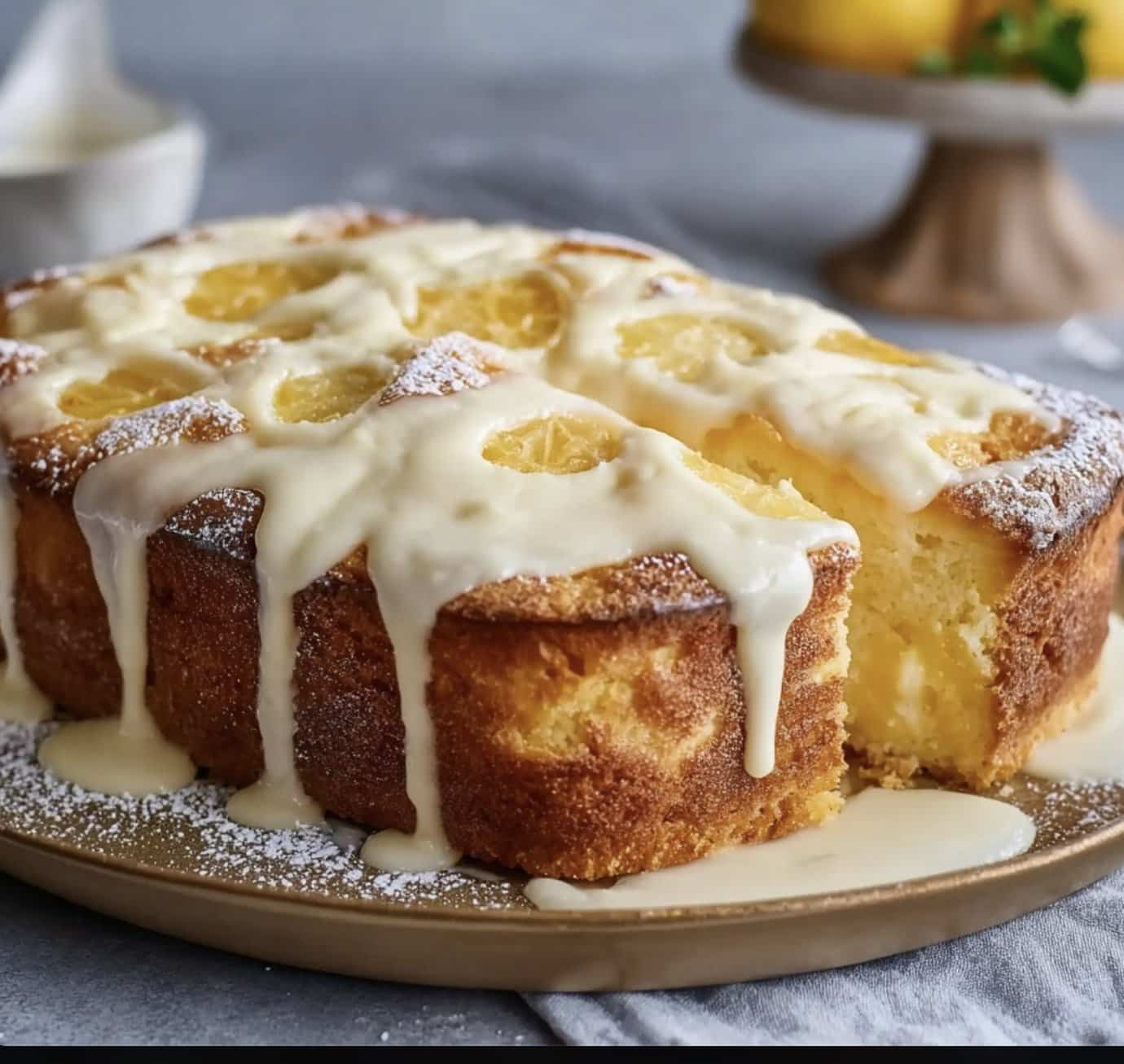
Storing This Cake (If It Lasts That Long!)
I keep it in the fridge, loosely covered, and it’s best eaten in 2 days (though honestly, in my house it never lasts more than a day). The cream softens the sponge a little overnight, which I actually think makes it even tastier the next morning—if there’s any left for breakfast, that is.
How I Serve It (Family-Style or Fancy, Up to You)
I usually just stick the whole cake on a board and let everyone hack away at it. But if you want to dress it up, a few curls of lemon zest on top and a sprig of mint looks pretty posh. My nan likes a tiny blob of lemon curd on the side; big fan of BBC Good Food’s lemon curd if you’re looking for a recipe. Sometimes I serve it with berries if we have any looking a bit sad in the fridge.
Pro Tips (a.k.a. What I Messed Up So You Don’t Have To)
- I once tried to use cold butter straight from the fridge—don’t do that, it just lumps up and won’t cream properly. Let it sit out first.
- Don’t overbake. This cake can go dry if you forget it, and no amount of lemon cream will quite save it (though it’ll still get eaten, let’s be honest).
- And, actually, I find it works better if you use fresh lemons rather than bottled juice. The flavor is just brighter—worth the extra squeeze.
Real-Life FAQ (Questions That Land in My WhatsApp)
- Can I make this ahead? Yep, you can bake the sponges a day ahead. But wait to fill it with cream till you’re about to serve. Otherwise, you’ll get a soggy bottom (Paul would not approve!).
- Is it freezer friendly? The sponge, yes; the cream, not so much. It goes weird (trust me, I tried, and my freezer smelled like lemons for days afterwards).
- Can I use limes or oranges? Sure, I’ve swapped out the lemon for whatever’s in the fruit bowl, and it’s always edible. Sometimes even more interesting!
- What’s the best way to zest a lemon? I use a microplane from Lakeland, but the small side of a box grater works in a pinch, though you’ll get slightly bigger bits.
- Can I make this gluten-free? I haven’t tried it, but my friend swears by using Dove’s Farm self-raising gluten-free flour. Might be a bit more crumbly, but it still tasted good, apparently.
If you give this a go, let me know how it turned out (bonus points for making a mess—makes it more authentic). And if you want more British baking inspo, the Great British Bake Off recipes are always worth a browse, even just for a giggle at some of the showstoppers. Now, kettle on and cake at the ready—what could possibly go wrong?

Ingredients
- 200g unsalted butter, softened
- 200g caster sugar
- 4 large eggs
- 200g self-raising flour
- 1 lemon, zest and juice
- 100ml double cream
- 75g icing sugar
- 2 tbsp lemon curd
- 1 tsp vanilla extract
- A pinch of salt
Instructions
-
1Preheat the oven to 180°C (160°C fan) or 350°F. Grease and line two 20cm (8-inch) round cake tins.
-
2In a large bowl, cream together the butter and caster sugar until light and fluffy. Beat in the eggs, one at a time, mixing well after each addition.
-
3Fold in the self-raising flour, salt, lemon zest, and half the lemon juice until just combined. Divide the batter evenly between the prepared tins.
-
4Bake for 22-25 minutes or until a skewer inserted into the center comes out clean. Allow the cakes to cool in the tins for 10 minutes, then turn out onto a wire rack to cool completely.
-
5For the lemon cream filling, whip the double cream with icing sugar, remaining lemon juice, vanilla extract, and lemon curd until soft peaks form.
-
6Spread the lemon cream over one cake layer, then sandwich with the second layer. Dust with icing sugar before serving.
Approximate Information for One Serving
Nutrition Disclaimers
Number of total servings shown is approximate. Actual number of servings will depend on your preferred portion sizes.
Nutritional values shown are general guidelines and reflect information for 1 serving using the ingredients listed, not including any optional ingredients. Actual macros may vary slightly depending on specific brands and types of ingredients used.
To determine the weight of one serving, prepare the recipe as instructed. Weigh the finished recipe, then divide the weight of the finished recipe (not including the weight of the container the food is in) by the desired number of servings. Result will be the weight of one serving.
Did you make this recipe?
Please consider Pinning it!!