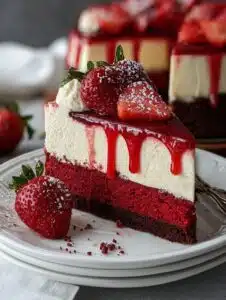
If you are searching for the tastiest French Toast I’ve ever eaten, you have arrived at the right destination. French toast, also known as "pain perdu" in its French origins, transforms simple slices of bread into a delightful, golden-brown masterpiece.
Whether you are reminiscing about leisurely Sunday breakfasts or seeking a show-stopping brunch centerpiece, this dish brings comfort and sophistication to your table. French toast can be traced back as far as the 4th or 5th century, according to the Roman recipes known as "aliter dulcia".
Over centuries, it developed into one of the most beloved breakfast staples worldwide. With its tender custard-soaked interior and slightly crisped exterior, it is easy to understand why.
This recipe focuses on balancing texture and flavor, using freshly baked brioche, aromatic vanilla, a pinch of cinnamon, and just the right amount of richness from eggs and cream.
For those curious about the origins and widespread love for French toast, The Smithsonian’s article on the breakfast classic (https://www.smithsonianmag.com/arts-culture/a-history-of-french-toast-13712292/) offers fascinating insights.
As you read on, you will discover not only the step-by-step process behind the tastiest French Toast I’ve ever eaten but also nutrition information, serving ideas, and expert tips that transform this simple breakfast into an exceptional experience.
Ingredients for The tastiest French Toast I’ve ever eaten
- 4 slices thick-cut brioche or challah bread, preferably slightly stale
- 3 large eggs
- 3/4 cup whole milk
- 1/4 cup heavy cream
- 2 tablespoons granulated sugar
- 1 teaspoon pure vanilla extract
- 1/2 teaspoon ground cinnamon
- 1/8 teaspoon fine sea salt
- 2 tablespoons unsalted butter, plus more for serving
- Maple syrup, for drizzling
- Fresh berries (optional, for topping)
- Powdered sugar (optional, for dusting)
Instructions for Making The tastiest French Toast I’ve ever eaten
- In a large mixing bowl, whisk together eggs, milk, heavy cream, sugar, vanilla extract, cinnamon, and sea salt until thoroughly combined.
- Preheat a large nonstick skillet or griddle over medium heat.
- Dip each slice of bread into the egg mixture, allowing it to soak for about 20-30 seconds per side. The bread should be well coated but not falling apart.
- Allow any excess custard to drip off and carefully transfer each slice to a plate.
- Melt 1 tablespoon of butter in the preheated skillet. Swirl to coat the surface evenly.
- Place soaked bread slices onto the skillet, cooking no more than two at a time to avoid overcrowding. Cook for 3-4 minutes per side or until golden brown and crisp at the edges.
- Flip each slice carefully and continue to cook until both sides are evenly cooked.
- Transfer cooked French toast to a wire rack set over a baking sheet (or a warm oven at 200°F) while you finish the remaining slices.
- Melt the remaining butter between batches as needed.
- Serve immediately, topped with a pat of butter, a generous pour of maple syrup, fresh berries, and a dusting of powdered sugar if desired.
Nutritional Information
French toast is a beloved breakfast option because it is both filling and layered with nutrients. The combination of eggs, whole milk, and bread provides a balance of protein, carbohydrates, and fats, making for a complete meal.
For a serving (one large slice with toppings), you can expect approximately 320 calories, 13 grams of fat, 9 grams of protein, and 43 grams of carbohydrates, depending on the specific ingredients and portion size. Brioche and challah add a slightly higher caloric value due to their rich, eggy composition.
The protein from eggs supports muscle health, and whole milk supplies calcium and Vitamin D, essential for bone health. For those seeking lighter options, consider reducing the use of heavy cream or substituting with low-fat milk without greatly sacrificing flavor.
To further explore the nutritional details of breakfast foods like French toast and healthy swaps, visit the Mayo Clinic's guide on healthy breakfast (https://www.mayoclinic.org/healthy-lifestyle/nutrition-and-healthy-eating/in-depth/healthy-breakfast/art-20045503). Always remember that adding fruit toppings like berries not only complements the flavors but also increases the fiber, antioxidants, and micronutrient content of the meal.
Wine/Beverage Pairings With The tastiest French Toast I’ve ever eaten
Pairing the tastiest French Toast I’ve ever eaten with the right beverage heightens the enjoyment of your meal. Classic pairings include fresh orange juice or a mimosa, whose citrusy brightness balances the sweet, rich notes of the toast.
For coffee enthusiasts, a medium roast drip or cappuccino provides a robust counterpoint to the custardy slices. If you prefer tea, opt for a lightly spiced chai or an Earl Grey; both bring an aromatic complexity that mingles beautifully with vanilla and cinnamon flavors.
On brunch occasions, a glass of light-bodied sparkling wine or Prosecco enhances celebrations. Children and non-drinkers will enjoy a chilled glass of milk or a fruit smoothie loaded with fresh berries to complement the toppings.
No matter your preference, choosing a beverage with acidity or gentle sweetness will ensure your breakfast feels both indulgent and refreshing.
Cooking Tips and Variations
Achieving the tastiest French Toast I’ve ever eaten relies on a few insider techniques. Firstly, selecting the appropriate bread is essential; opt for thick-cut, slightly stale brioche or challah for optimal texture and rich flavor. Fresh bread can become overly soggy and disintegrate once dipped in the custard.
If your bread is fresh, lightly toast it to remove excess moisture. The custard mixture is the heart of this recipe; using a blend of whole milk and heavy cream creates a rich, silky custard that clings to each crumb.
Incorporating a touch of vanilla and cinnamon enhances the flavor complexity, making each bite deeply aromatic. For added dimension, experiment with a pinch of nutmeg or orange zest. Cooking the slices at medium heat ensures the interior cooks through without burning the outside.
Letting the cooked slices rest on a wire rack rather than a plate helps retain crispness. For those who enjoy a twist, try stuffing your French toast with a layer of sweetened cream cheese or Nutella before dipping for a decadent upgrade.
Savory lovers can omit the sugar and cinnamon, and instead, add chives, grated cheese, and sautéed mushrooms for a brunch-ready savory French toast. For a dairy-free or vegan version, use almond or oat milk, and replace eggs with mashed banana or a vegan egg substitute.
For more cooking tips and creative breakfast variations, check out Serious Eats’ comprehensive guide to French Toast (https://www.seriouseats.com/the-best-french-toast-recipe-5188087).
Serving Suggestions
Serving the tastiest French Toast I’ve ever eaten is as much about visual appeal and accompaniments as it is about the core recipe. Begin by stacking slices on a large, pre-warmed platter or serving individual plates for each guest.
For an eye-catching brunch display, arrange fresh seasonal berries—such as strawberries, raspberries, or blueberries—around the plate. Add a dusting of powdered sugar just before serving for a bakery-inspired look. Offer a pitcher of warmed real maple syrup so everyone can drizzle as desired.
Include a small bowl of whipped butter on the side for those who enjoy an extra pat melting over the hot toast. For a heartier meal, serve thick-cut bacon or breakfast sausage alongside the French toast; the salty savoriness plays beautifully against the sweet flavors.
Toasted nuts such as pecans or almonds make an elegant topping, lending crunch and nutty richness. If you want to explore additional flavor dimensions, consider caramelized bananas, fruit compote, or a dollop of Greek yogurt.
For gatherings, set up a French toast bar with multiple toppings including chocolate chips, honey, granola, and a variety of fruits, allowing guests to customize their plates. This approach transforms a simple breakfast into an interactive experience that impresses every palate.

The tastiest French Toast I’ve ever eaten Health Benefits
While classic French toast is rich and comforting, it also provides several health benefits when prepared thoughtfully. The eggs in the custard offer high-quality protein along with essential vitamins such as B12 and D.
Using whole milk and cream supplies calcium and fat-soluble vitamins, important for bone strength and hormonal balance. Brioche or challah, being slightly sweeter and denser, contributes more carbohydrates, but swapping in a whole-grain bread can increase fiber and add complex nutrients, supporting digestive and cardiovascular health.
Adding antioxidant-rich fruit toppings like blueberries or strawberries increases vitamin C and polyphenols. For those with dietary restrictions, French toast can easily be adapted: use plant-based milks, whole-wheat bread, or egg alternatives for a lighter, allergy-friendly meal.
Reducing sugar in the custard or using natural sweeteners like honey can help manage overall sugar intake. With thoughtful ingredient choices, you can enjoy the tastiest French Toast I’ve ever eaten as part of a balanced, energizing breakfast.
FAQs About The tastiest French Toast I’ve ever eaten
Can I use any type of bread for French toast?
While any bread can technically be used, the tastiest French Toast I’ve ever eaten is best made with thick-cut, slightly stale brioche or challah, which absorb the custard without falling apart.
How do I avoid soggy French toast?
Ensure the bread is slightly stale or lightly toasted if fresh, and soak it long enough to absorb the custard without oversaturating. Cook over medium heat to prevent sogginess and achieve a crisp exterior.
Is it possible to prepare French toast ahead of time?
Yes, you can soak the bread and store it covered in the refrigerator overnight, then cook it fresh in the morning, or keep cooked slices warm in a low oven while preparing large batches for a crowd.
Can I freeze leftover French toast?
Absolutely. Let the cooked slices cool completely, then freeze them in single layers. Reheat in an oven or toaster for best results.
Are there healthier variations of this recipe?
Certainly. Use whole-grain bread, low-fat milk, reduce added sugar, and top with fresh fruit for a healthier twist on the tastiest French Toast I’ve ever eaten.
With the right ingredients, careful preparation, and a bit of creativity, the tastiest French Toast I’ve ever eaten becomes a reality in your home kitchen. Whether you are crafting a leisurely weekend brunch or treating someone special to breakfast in bed, this beloved recipe transforms the ordinary into the extraordinary. By following the step-by-step instructions, experimenting with toppings and pairings, and considering both traditional and nutritious variations, you’ll soon master a signature dish that brings family and friends back to the table for more. Enjoy every luscious bite knowing you possess all the secrets to making the tastiest French toast you—and your guests—have ever eaten.

Ingredients
- 4 large eggs
- 1 cup whole milk
- 1/3 cup heavy cream
- 2 tablespoons granulated sugar
- 1 teaspoon pure vanilla extract
- 1 teaspoon ground cinnamon
- 8 thick slices brioche or challah bread
- 2 tablespoons unsalted butter, for frying
- Pinch of salt
Instructions
-
1In a large mixing bowl, whisk together eggs, milk, heavy cream, sugar, vanilla extract, cinnamon, and salt until well combined.
-
2Heat a large nonstick skillet or griddle over medium heat and melt 1 tablespoon of unsalted butter.
-
3Dip each bread slice into the egg mixture, soaking both sides and allowing the bread to absorb some custard without getting soggy.
-
4Place soaked bread slices onto the hot skillet and cook for about 2-3 minutes per side, or until golden brown and slightly crispy.
-
5Repeat with remaining bread, adding more butter as needed.
-
6Serve warm, dusted with powdered sugar and drizzled with maple syrup, if desired.
Approximate Information for One Serving
Nutrition Disclaimers
Number of total servings shown is approximate. Actual number of servings will depend on your preferred portion sizes.
Nutritional values shown are general guidelines and reflect information for 1 serving using the ingredients listed, not including any optional ingredients. Actual macros may vary slightly depending on specific brands and types of ingredients used.
To determine the weight of one serving, prepare the recipe as instructed. Weigh the finished recipe, then divide the weight of the finished recipe (not including the weight of the container the food is in) by the desired number of servings. Result will be the weight of one serving.
Did you make this recipe?
Please consider Pinning it!!