So This Flatbread Recipe Has Saved My Sanity (More Than Once)
You know those days when you open the fridge, stare blankly, and just hope dinner will magically assemble itself? Yeah, me too. That’s honestly how I stumbled into making this 2-ingredient cottage cheese flatbread for the first time. I’d seen something like it on TikTok (you know, where recipes go viral for good reason or none at all), and figured—why not? Turns out, it’s now my not-so-secret weapon whenever I need bread in a hurry. One time, I made it at 11pm because I just needed something to scoop up the last of a curry. It was perfect. Well, perfect enough.
Why You’ll Probably End Up Making This Too
I make this when the bread bin looks a bit tragic or I just can’t face kneading dough (sorry, sourdough, you’re on your own). My family goes a bit wild for this flatbread, probably because it’s warm, soft, and—get this—doesn’t taste like “diet food.” And when I’m feeling lazy (often), I love that there’s no rise time or yeast drama. Oh, and it’s naturally gluten-free if you use the right flour. The only trouble? Trying not to eat it all before the rest of dinner is ready (not always successful, to be honest).
What You’ll Need (and Some Swaps That’ve Worked)
- 1 cup cottage cheese (Any kind works, though my gran swore by the full-fat stuff. Actually, I find low-fat is fine if that’s what you have. Sometimes I use ricotta instead when I’m feeling fancy.)
- 2 eggs (Large-ish, but I’ve used three small ones too. Or, for vegans, a couple of flax “eggs”… it turns out a bit different, but still decent.)
- Optional: Pinch of salt, black pepper, or some dried herbs if you’re in the mood. My daughter once dumped in a handful of cheddar. No complaints.
How to Make It (Step-by-Step, Sort Of)
- Start by preheating your oven to about 375°F (190°C). Sometimes I forget this until I’ve mixed everything, but better late than never.
- Plop the cottage cheese and eggs into a bowl. I use a standard mixing bowl, nothing fancy. Whisk or blend until it’s as smooth as you like. (Some folks blend until it’s totally smooth, but I like a few lumps—character, right?)
- This is where I add a bit of salt and pepper. Taste if you want, though it does look a bit odd at the stage. Don’t worry if it looks runny. It always does, and yet it works out.
- Line a baking tray with parchment (or just grease it up if you’re out of paper—been there). Pour the mixture on and spread it out into a flat, roundish shape. It won’t be perfect. That’s fine. I aim for about a half-inch thick, but you do you.
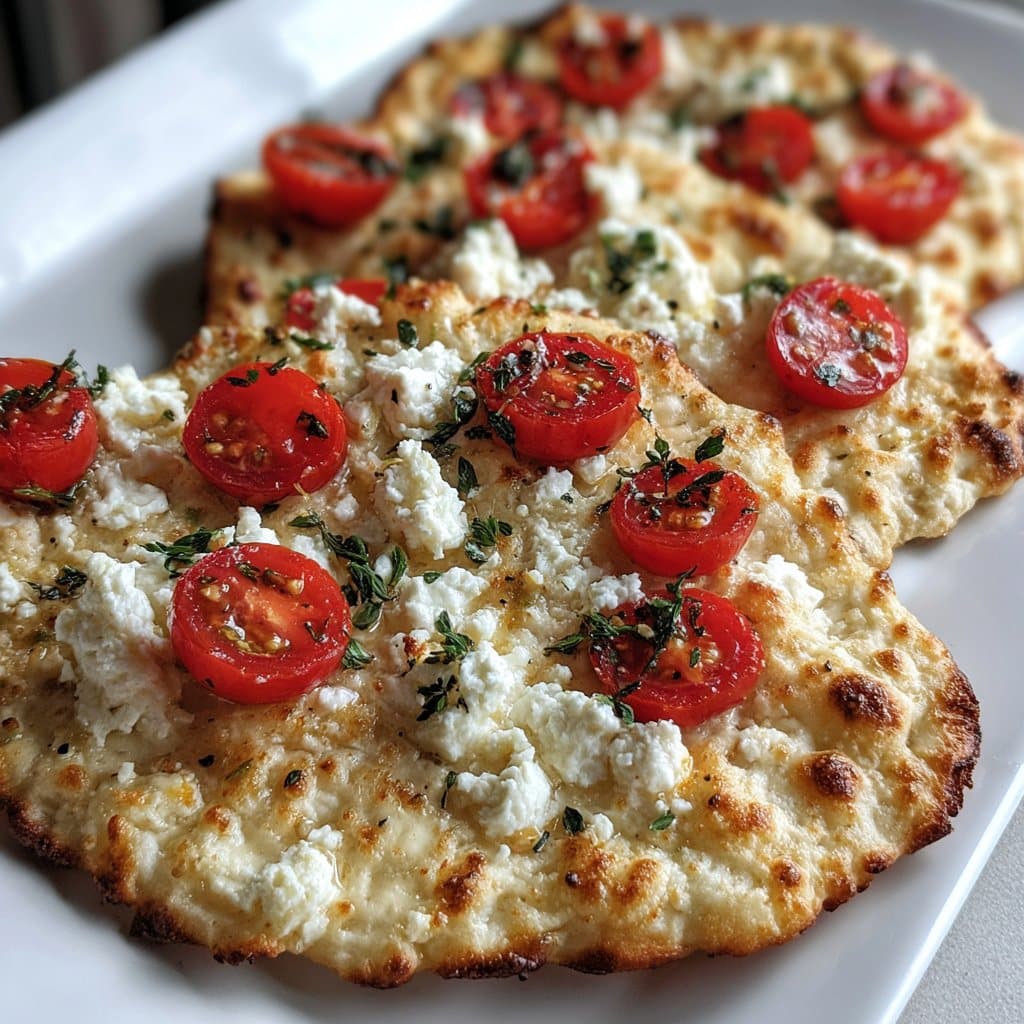
- Bake for around 20-25 minutes, or until the edges get a bit golden and it doesn’t look wet in the middle. Sometimes I poke it with a knife to check—if it comes out clean-ish, you’re golden.
- Let it cool a minute if you can resist; otherwise, just tear in. (This is when I usually burn my fingers. Still worth it.)
Some Notes I’ve Learned the Hard Way
- If you use super wet cottage cheese, your flatbread might come out a little too floppy for sandwiches. I tried draining it with a sieve once, but then got distracted and forgot about it—don’t do that unless you want a weird cheese brick.
- Don’t get too precious about spreading it perfectly; the edges go extra crispy, which is the best part, in my opinion.
Flatbread Experiments (Some Hits, One Miss)
- I tried mixing in a handful of chopped spinach one time—pretty good, especially with a bit of nutmeg. Not bad at all.
- Once, I whisked in a spoonful of almond flour to see if it’d firm things up more. It did, but the texture got a bit cake-y, which was… unusual.
- My attempt with oat flour instead of cottage cheese? Total flop. It just tasted like sad, baked porridge.
What If You Don’t Have the Right Equipment?
Honestly, I usually just use a big spoon and a battered old baking tray. If you don’t have parchment, just grease your pan well and maybe expect to do a bit of scraping. (A fish slice works wonders. And no, you don’t need a mixer unless you’re after silky-smooth batter, which I rarely bother with.)
How Long Does This Stuff Keep?
In theory, you can keep it covered in the fridge for a couple of days. It reheats pretty well in the toaster or a hot pan—but honestly, in my house, it never lasts more than a day! (I sometimes sneak a cold piece with peanut butter at midnight. Don’t judge me!)
How I Like Serving It (Feel Free to Ignore)
This is good for sandwiches—especially with eggs or avocado. My little brother swears by using it as a mini pizza crust. Personally, I love it with a big bowl of soup, torn into pieces. If you want more ideas, I sometimes check what folks are making on Reddit’s Eat Cheap and Healthy—lots of wild combos there, honestly.
What I Wish I’d Known (AKA, Pro Tips from My Mistakes)
- I once tried baking it at a higher temp—impatience got the better of me—and it just got weirdly rubbery on the edges and soggy in the middle. Don’t rush.
- Also, if you try to flip it halfway, be gentle or it’ll tear. (On second thought, maybe just leave it alone.)
Questions Folks Have Actually Asked Me
- Can I freeze this? Yeah, technically, but it does go a bit chewy when thawed. I don’t mind, but my partner hates it. Your call!
- Is it really only two ingredients? I mean, yes, but I always add salt. Does that count? (Some say it doesn’t.)
- Can I use non-dairy cottage cheese? I’ve tried the almond-based one once, and it was… fine. Not my favorite, but it held together. Just expect it to taste a bit different, obviously.
- Do I need to blend it? Nope. I actually like it a bit chunky. But if you want that uniform look (or kid-approval), go for a blitz in the blender.
- Why does mine look so thin? Probably spread it a bit too much, or maybe your eggs were extra large—next time, try a smaller pan or add a smidge more cheese. Or just call it a cracker and pretend that’s what you wanted all along (worked for me once!).
And that’s pretty much it. If you want more ideas for cottage cheese magic, Smitten Kitchen’s cottage cheese pancakes are another weirdly good recipe. Let me know if you come up with an even stranger version—I’m always up for a kitchen adventure, even if it means a bit of a mess.

Ingredients
- 1 cup cottage cheese
- 2 large eggs
- 1/4 teaspoon salt
- 1/4 teaspoon baking powder
- 1/4 teaspoon garlic powder (optional)
- 1/4 teaspoon dried oregano (optional)
- 1 tablespoon olive oil (for greasing pan)
- Freshly ground black pepper, to taste
Instructions
-
1Preheat your oven to 375°F (190°C) and line a baking sheet with parchment paper. Lightly grease with olive oil.
-
2In a blender or food processor, combine cottage cheese and eggs. Blend until smooth and creamy.
-
3Add salt, baking powder, garlic powder, oregano, and black pepper to the mixture. Blend again until well combined.
-
4Pour the batter onto the prepared baking sheet, forming 4 even circles or ovals. Spread each to about 1/4-inch thickness.
-
5Bake for 18-20 minutes, or until the flatbreads are set and lightly golden around the edges.
-
6Let cool slightly before removing from the baking sheet. Serve warm or at room temperature as desired.
Approximate Information for One Serving
Nutrition Disclaimers
Number of total servings shown is approximate. Actual number of servings will depend on your preferred portion sizes.
Nutritional values shown are general guidelines and reflect information for 1 serving using the ingredients listed, not including any optional ingredients. Actual macros may vary slightly depending on specific brands and types of ingredients used.
To determine the weight of one serving, prepare the recipe as instructed. Weigh the finished recipe, then divide the weight of the finished recipe (not including the weight of the container the food is in) by the desired number of servings. Result will be the weight of one serving.
Did you make this recipe?
Please consider Pinning it!!