Let Me Tell You About This Creamy Pesto Sauce
You know how sometimes you crave something that feels a bit fancy but, honestly, you’re in your comfies and just want dinner on the table? That’s me with this creamy pesto sauce for pasta dishes. I remember the first time I tried to make it—yikes, I accidentally blitzed the basil with the cheese before toasting the nuts and the whole thing tasted a bit like a grassy lawn (not recommended). But I’ve since figured out my groove. Now, this sauce is my not-so-secret weapon for everything from lazy Tuesdays to when my cousin pops over unannounced and expects a feast. I promise it’s way less fussy than it sounds, and the smell—good grief, the SMELL—is half the reason I make it.
Why This Sauce is a Weeknight Hero
I make this when my family is hangry and clamoring for something that feels like a treat (but I’m not up for rolling out dough or, honestly, anything that involves a rolling pin). My family goes wild for this because it’s creamy enough for my youngest, but still packed with flavor so even my picky brother-in-law asks for seconds. You can toss it with any pasta lurking in your pantry, really. And if you’re like me and sometimes realize you forgot the basil—hey, I’ve subbed in spinach or arugula in a pinch. Nobody noticed. Well, except my mother, but she notices everything.
What You’ll Need (and What I Sometimes Use Instead)
- 2 big handfuls of fresh basil leaves (a small supermarket bunch is fine; I’ve even used baby spinach when the basil looked sad at the shop)
- 1/3 cup pine nuts (or walnuts if you’re feeling thrifty; I’ve even tried cashews… not my best idea, but it worked in a pinch)
- 2 plump garlic cloves (or 1 if you’re not looking for dragon breath, up to you)
- 1/2 cup freshly grated Parmesan (look, I know folks say Parmigiano-Reggiano is a must, but honestly, I’ve used the store-brand shredded stuff and lived to tell the tale)
- 1/2 cup extra virgin olive oil (use the nicest one you have, but don’t stress if it’s just the regular bottle from Tesco)
- 1/2 cup heavy cream (double cream if you’re in the UK, or I’ve even used half-and-half when trying to lighten things up)
- Salt and pepper to taste
- A squeeze of lemon juice (optional, but it lifts everything up a notch)
How I Throw This Together (More or Less)
- First, toast your nuts in a dry pan over medium heat. Keep an eye on them; they go from golden to, ah, charred in about two seconds. Ask me how I know. Let them cool for a minute.
- In a food processor or blender—I’ve even gone old school with a pestle and mortar when feeling dramatic—chuck in the basil, nuts, garlic, and Parmesan. Blitz until it looks like a rough paste. Don’t worry if it’s a bit chunky at this stage. Actually, I tend to like it a bit rustic.
- While the machine’s running, drizzle in the olive oil slowly. I always aim for a thick but pourable consistency, but if it looks like mud, just add a splash more oil. This is where I sneak a taste (or three)—sorry, not sorry.
- Scoop out the mixture into a bowl. Stir in the cream—don’t be shy. It’ll go from vivid green to a mellow, dreamy color. Give it a squeeze of lemon if you fancy. Season with salt and pepper.
- Now, pour the sauce over hot cooked pasta (save a splash of pasta water in case your sauce is too thick, which—let’s be honest—happens to me every other time). Toss well. Done!
Things I’ve Learned (Sometimes the Hard Way)
- If you blitz the basil too long, it can go brownish. It still tastes fine, but it looks a bit like pond water. I usually just say it’s “rustic.”
- Don’t skimp on the olive oil—if you do, the sauce will cling together in a clump (which I’ve tried to pass off as “pesto hummus”—not fooling anyone).
- If the garlic is super strong, let it sit in the cream for a minute or two. It mellows out—learned that trick from Serious Eats.
What Else Can You Try? (And One Flop)
- I once swapped the basil for rocket (arugula) and added a handful of sun-dried tomatoes. It was tangy—good, but not quite the classic.
- Swapping in pecorino for parmesan gives it a saltier punch. My partner liked it, but the kids weren’t convinced.
- I tried making it with Greek yogurt instead of cream once—nope. Too tart; stick with cream if you can.
Gear I Use (But Don’t Panic If You Don’t Have It)
- Food processor or blender. Or a pestle and mortar, if you’ve got time and want an arm workout.
- Grater. Or, if you’re like me and lost your good one, just use a veggie peeler and chop the cheese smaller.
- If you’re without a pan for toasting nuts, just toss them under the grill for a minute. Watch them, though!
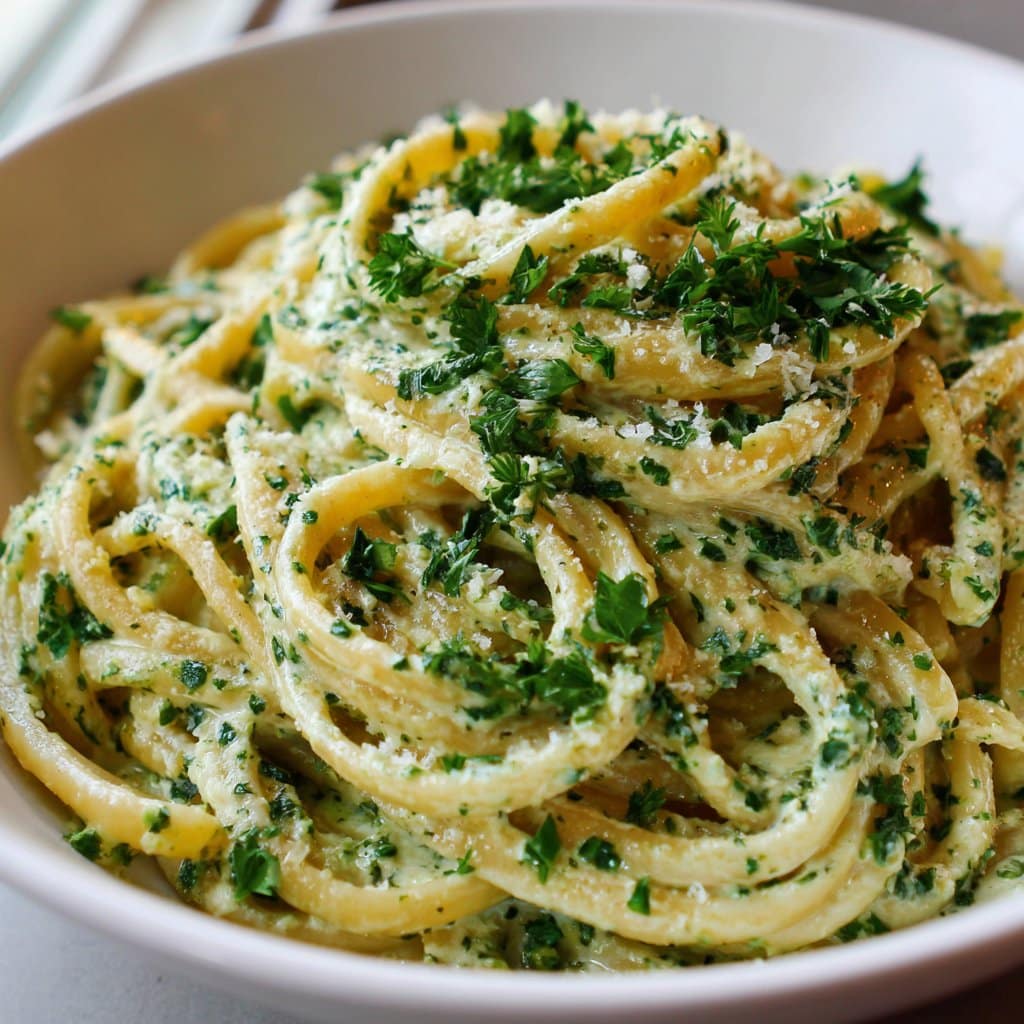
Keeping It Fresh (Though It Rarely Lasts Long)
Honestly, in my house, this sauce barely makes it past the first meal. But if by some miracle you’ve got leftovers, pop them in a jar or airtight container in the fridge. It keeps for about 2 days. Sometimes it thickens up, so just stir in a splash of milk or pasta water before serving. Don’t bother freezing—it goes weird. Trust me.
How I Like to Serve It (And a Family Quirk)
Straight over hot pasta is classic, obviously. But honestly, my favorite is swirling it into some leftover risotto or even spreading it on toast with a fried egg on top (that’s my Saturday breakfast hack). My aunt always insists we dollop a bit over roasted veggies for Sunday lunch—it’s not traditional, but it’s so good. For a dinner party, I’ll sometimes top with extra pine nuts and a sprinkle of lemon zest.
Mistakes I’ve Made and What I’d Do Differently
- I once tried rushing the toasting step—nuts burned, smoke alarm shrieked, dinner delayed. Take your time.
- Don’t add all the cream at once—start with half, then taste and add more. It’s easier to thin than to thicken, believe me.
- Tried using pre-chopped bottled garlic once (don’t judge)—it tasted a bit off. Fresh is best here.
Your Burning Questions (And My Not-So-Perfect Answers)
- Can I make this vegan? You bet—swap the cream for a splash of oat cream (or soy) and use a vegan parmesan. No promises on the exact flavor but it’s decent! Actually, I find it works better if you use a tiny splash of lemon juice with the vegan version.
- Does this work with gluten-free pasta? Yep! My pal Meg is gluten-free and she loves it (just, uh, don’t overcook the GF pasta, or it gets mushy—learned that the hard way).
- Can I use store-bought pesto? Sure, in a real pinch. Just mix it with cream and maybe a squeeze of lemon. It’ll get you most of the way there, though the flavor’s not quite the same as fresh. I sometimes grab this one from Italianavera when I’m in a rush.
- What pasta shape is best? Honestly, whatever’s knocking about. But I love it with fusilli because the sauce gets all stuck in the spirals. My cousin says it’s best with linguine, but to each their own.
- Can I freeze this? Mmm, I wouldn’t. The cream goes a bit weird and separates. It’s not a disaster, but it’s not great. Maybe make a half batch if you’re worried about leftovers.
Oh, and by the way, if you want to get nerdy about basil varieties (I sometimes do when procrastinating the dishes), check out Gardeners’ World on growing your own. It’s a deep rabbit hole.
Anyway—give this a go when you want that creamy, herby comfort with minimal faff. And if you find a new twist, tell me! Unless it’s peanut butter. That one… was a mistake.
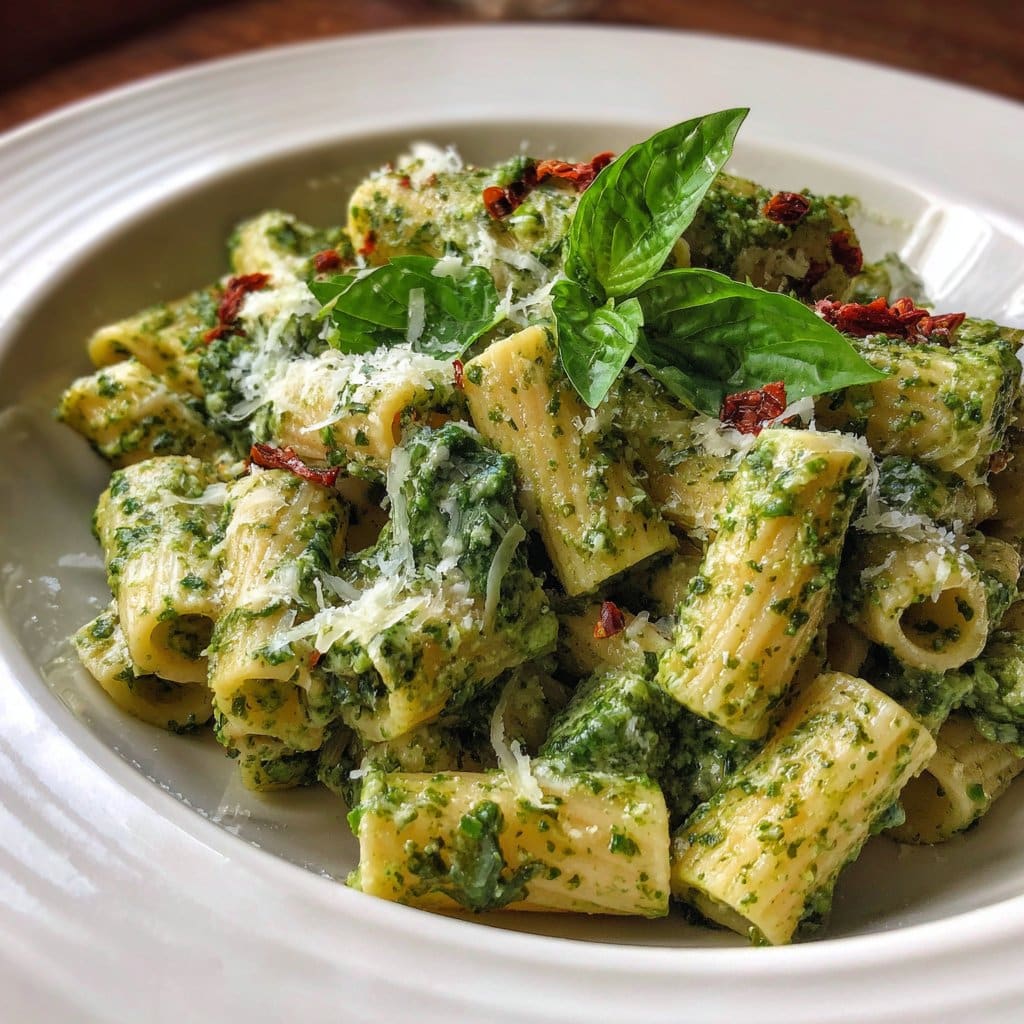
Ingredients
- 2 cups fresh basil leaves, packed
- 1/2 cup grated Parmesan cheese
- 1/3 cup pine nuts
- 2 garlic cloves
- 1/2 cup heavy cream
- 1/3 cup extra-virgin olive oil
- Salt and black pepper to taste
- 1 tablespoon lemon juice
Instructions
-
1In a food processor, combine basil leaves, pine nuts, garlic, and Parmesan cheese. Pulse until finely chopped.
-
2With the processor running, slowly drizzle in the olive oil until the mixture is smooth and well combined.
-
3Transfer the pesto mixture to a saucepan over medium-low heat. Stir in the heavy cream and cook for 2-3 minutes, until heated through and creamy.
-
4Season the sauce with salt, black pepper, and lemon juice. Stir well to combine.
-
5Serve the creamy pesto sauce tossed with freshly cooked pasta or as desired.
Approximate Information for One Serving
Nutrition Disclaimers
Number of total servings shown is approximate. Actual number of servings will depend on your preferred portion sizes.
Nutritional values shown are general guidelines and reflect information for 1 serving using the ingredients listed, not including any optional ingredients. Actual macros may vary slightly depending on specific brands and types of ingredients used.
To determine the weight of one serving, prepare the recipe as instructed. Weigh the finished recipe, then divide the weight of the finished recipe (not including the weight of the container the food is in) by the desired number of servings. Result will be the weight of one serving.
Did you make this recipe?
Please consider Pinning it!!